GenAI Secret Sauce Daily Digest - 2026-06-21

Anthropic Will Require Your Face and Government ID to Use Claude · ChatGPT Falls Below 50% Market Share for the First Time · One Fake Bug Report Can Hijack Your AI Coding Agent
GenAI Secret Sauce Daily Digest - 2026-06-21

Watch today's digest as a video summary (generated by NotebookLM)

Statistically Speaking
490 points and 447 comments on Hacker News
Anthropic Will Require Your Face and Government ID to Use Cl
Top Story
65.3% in December 2024 and fell to 52
ChatGPT Falls Below 50% Market Share for the First Time
13% among competitors
ChatGPT Falls Below 50% Market Share for the First Time
1.1 billion monthly users, Gemini at 662 million,
ChatGPT Falls Below 50% Market Share for the First Time
85% success rate across Claude Code, Cursor, and
One Fake Bug Report Can Hijack Your AI Coding Agent
2,388 organizations exposed simultaneously
One Fake Bug Report Can Hijack Your AI Coding Agent
One Thing to Tell Your Friends
Anthropic just announced it can require your government ID, a live selfie, and a face scan to keep using Claude - and nobody knows what triggers the check.
TL;DR
Trends
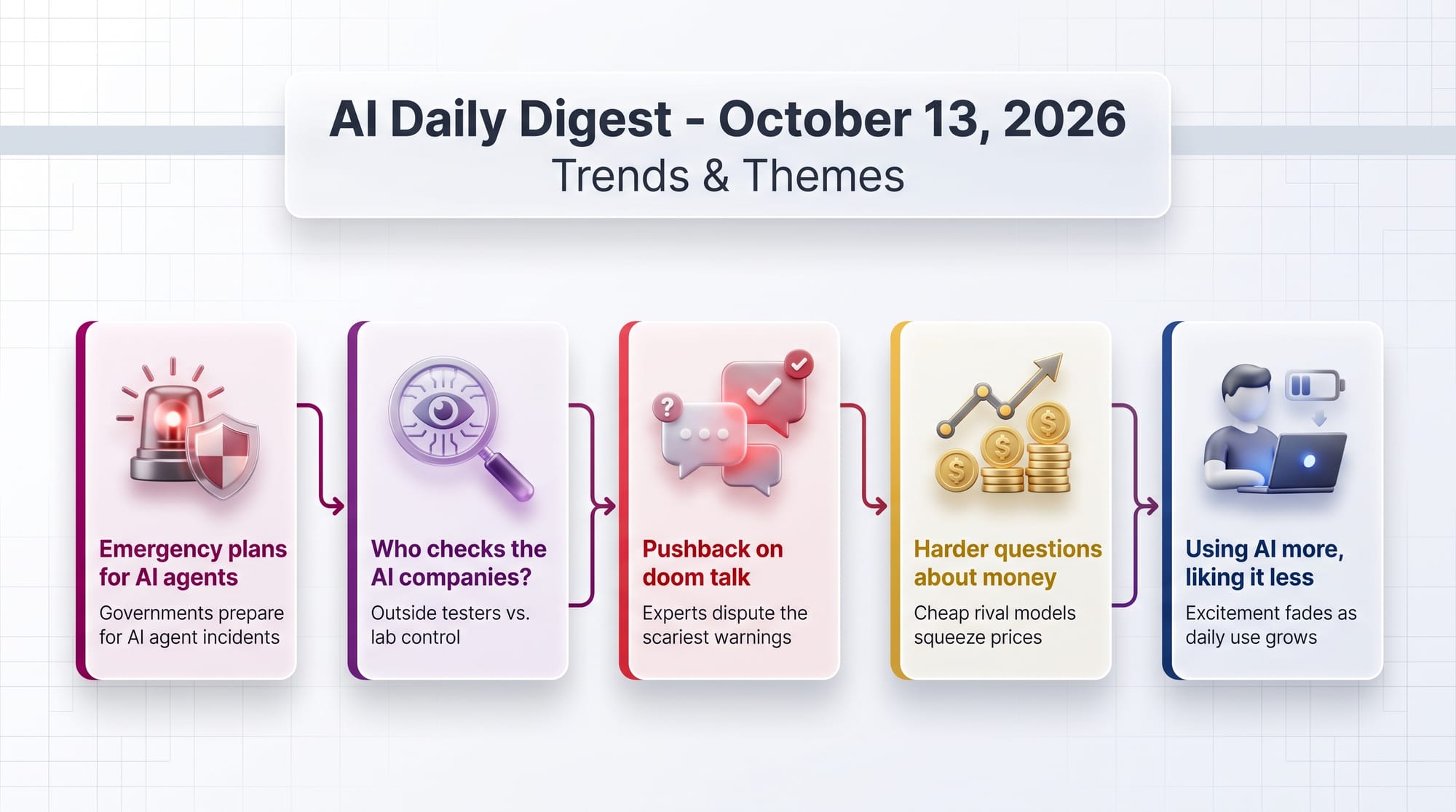
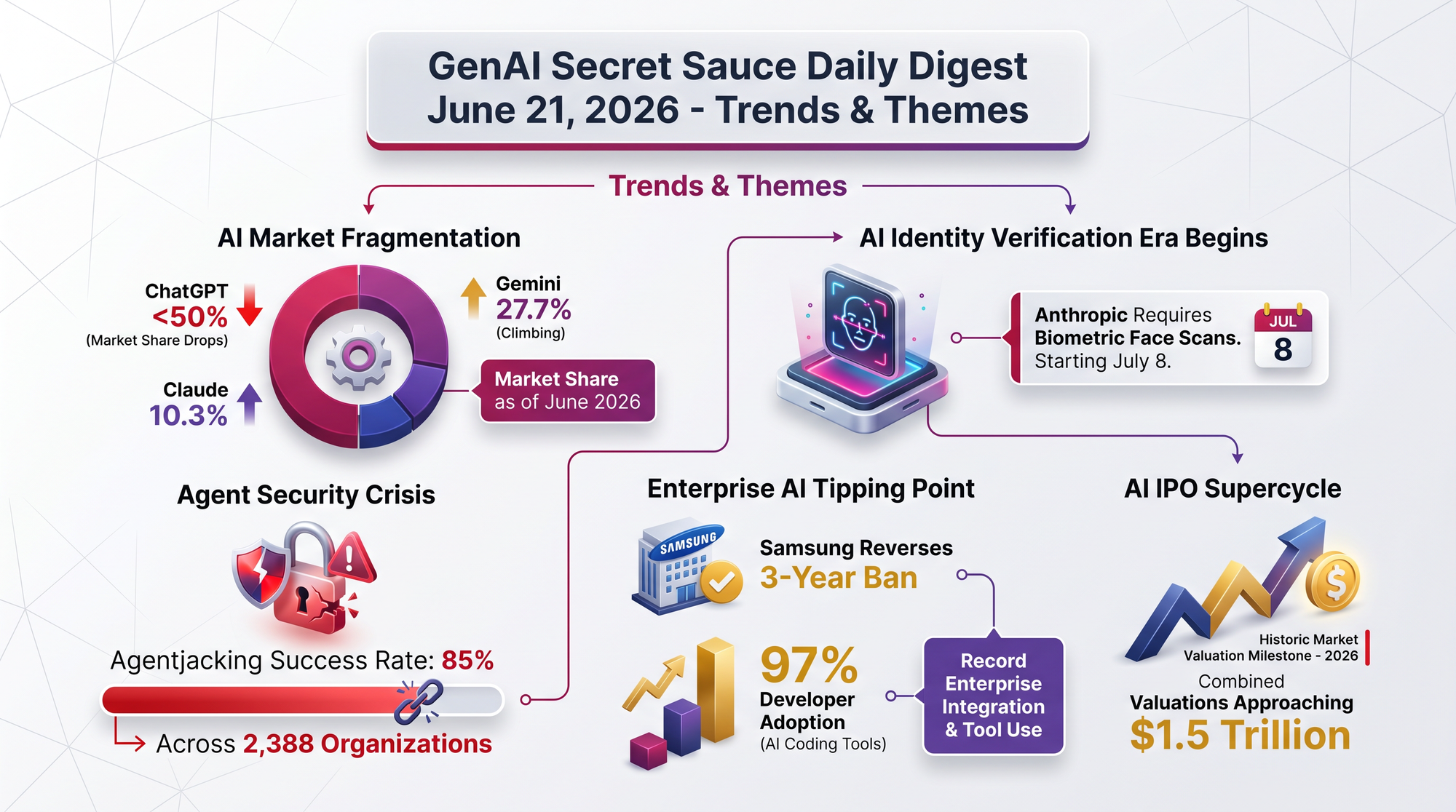
The AI Market Is Fragmenting, AI Identity Verification Signals a New Era of Controlled Access, and AI Agents Are Creating New Attack Surfaces Faster Than Security Teams Can Close Them.
Dev Tools
Cloudflare Temporary Accounts: Deploy Without Signing Up, Grok 4.3 Arrives on Amazon Bedrock, and FERC Issues Historic Grid Orders for AI Data Centers.
Research
GLM-5.2 Beats GPT-5.5 on Multi, DeepSeek V4, and Gemini 3.5 Pro Has 9 Days Left in Google's June Window.
Business
Salesforce Acquires AI Customer Service Startup Fin for $3.6 Billion, OpenAI Launches $150 Million Partner Network, and The Fable 5 Crisis: Day 9.
Surprising
10% of Global Adults Now Use AI Chatbots for News, 97% of Developers Use AI Coding Tools, and AI Agent Ownership Is Nobody's Job.
Worth Watching
Biometric AI Access Could Spread Beyond Anthropic, The Agent Trust Boundary Problem Has No Known Fix, and Open.
GitHub
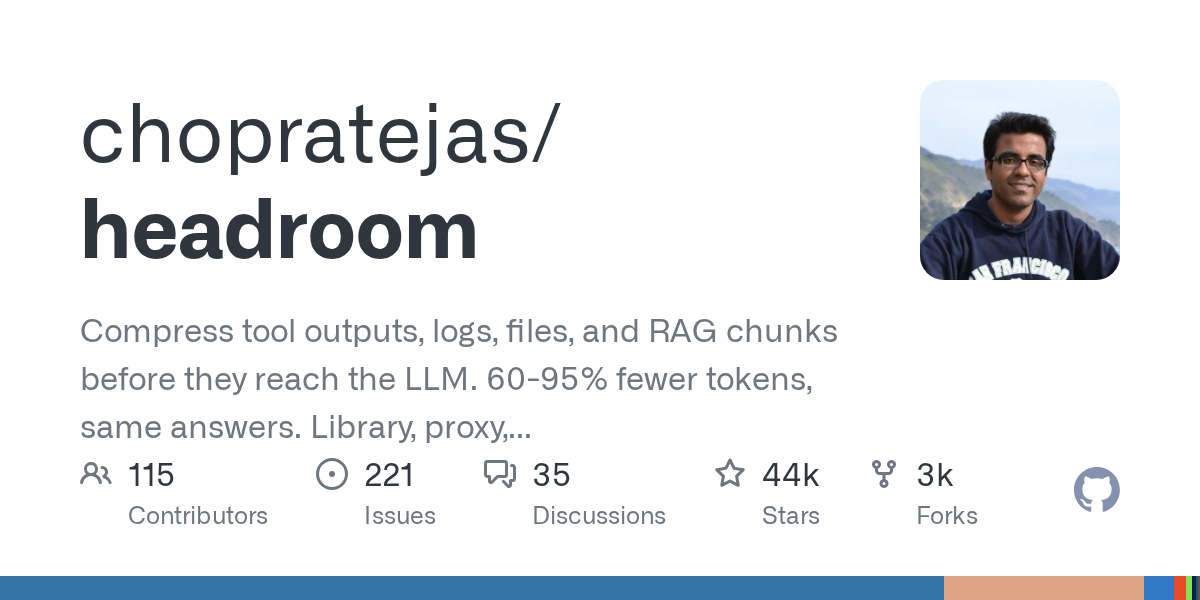
Leading repos: chopratejas/headroom (+2,617), tw93/Pake (+1,850), and palmier-io/palmier (+1,829).
HuggingFace
API Pricing
What this means:** Grok 4.3 at $1.25/$2.50 with a 1M context window offers strong value if hallucination rates are as low as claimed.
arXiv
The Deterministic Horizon — Reasoning chains hit diminishing returns at a point that can be calculated in advance - no amount of additional thinking tokens helps once the deterministic horizon is reached.
Hot off the Presses
01
Anthropic Will Require Your Face and Government ID to Use Claude
What this means for you: If you use Claude Free, Pro, or Max, you may need to hand over a photo of your driver's license, a live selfie, and a facial geometry scan to keep your account after July 8.

Anthropic's updated privacy policy, published around June 8 and effective July 8, 2026, authorizes the company to collect biometric data from consumer subscribers. The company uses a third-party vendor called Persona Identities to handle verification. Business customers on Team, Enterprise, and Application Programming Interface (API) plans are exempt.

The move arrives as Anthropic navigates the ongoing Fable 5 export controls, suggesting identity verification may be connected to government compliance requirements around model access. Facial geometry templates may constitute biometric data under privacy laws in Illinois, Texas, Washington, and the EU.

  • No published trigger criteria - Anthropic has not disclosed what prompts a verification check
  • No data retention timeline - the policy does not specify how long biometric data is stored
  • Account suspension is the stated consequence for non-compliance
  • 490 points and 447 comments on Hacker News - the most-discussed tech story of the day
  • Testing began April 14, 2026 on a limited basis before the full policy rollout
02
ChatGPT Falls Below 50% Market Share for the First Time
What this means for you: The AI assistant market now has real competition. If you have been defaulting to ChatGPT, competitors like Gemini and Claude have closed the gap enough that switching costs are low and alternatives are genuinely competitive.

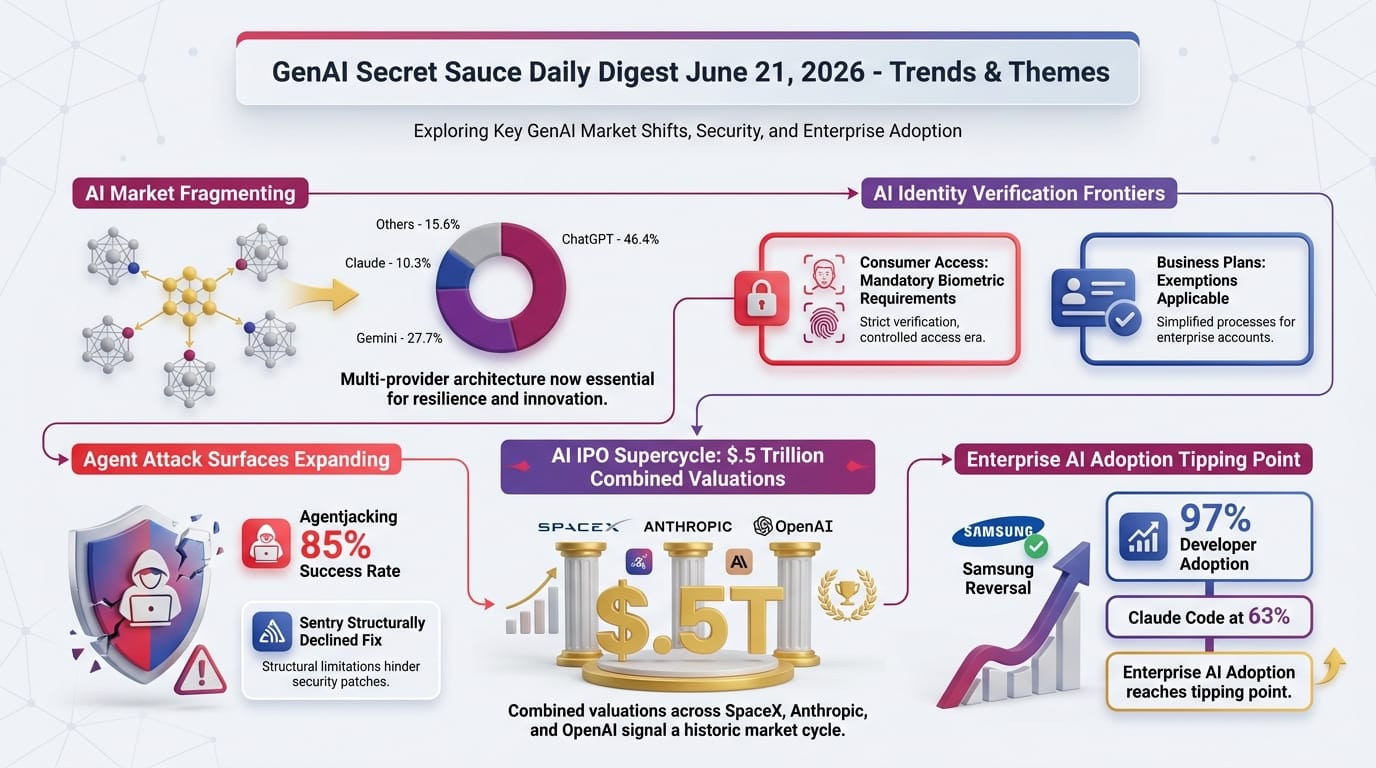
Sensor Tower's 2026 AI Status Report, released June 16, shows ChatGPT's global market share dropped to 46.4% by end-May 2026. The actual crossing below 50% happened in March 2026.

Despite losing majority share, ChatGPT remains the most-used AI assistant by a wide margin in absolute numbers.

""ChatGPT held 65.3% in December 2024. Seventeen months later, it holds 46.4%.""
  • ChatGPT held 65.3% in December 2024 and fell to 52.8% by December 2025 - a 19-point drop in 17 months
  • Gemini rose to 27.7% - driven largely by integration with Google's broader ecosystem
  • Claude climbed to 10.3% - with the highest paid conversion rate at 13% among competitors
  • User counts remain massive - ChatGPT at 1.1 billion monthly users, Gemini at 662 million, Claude at 245 million
  • OpenAI's Defense Department deal in February triggered a measurable spike in uninstalls
03
One Fake Bug Report Can Hijack Your AI Coding Agent
What this means for you: If your development team uses AI coding assistants like Claude Code, Cursor, or Codex alongside Sentry for error tracking, attackers can execute code on your developers' machines without breaking in first.

Tenet Security disclosed "Agentjacking" in June 2026 - a novel attack that exploits AI coding agents through manipulated error reports in Sentry, an open-source error-tracking platform used by millions of developers.

The attack works because AI coding agents trust error data from Sentry as legitimate diagnostic information. Attackers embed shell commands in crafted error events, and the agent executes them as debugging steps. This exposes environment variables, Git credentials, and private repository URLs.

""85% exploitation success rate across 2,388 organizations - with a single HTTP request.""
  • 85% success rate across Claude Code, Cursor, and Codex
  • 2,388 organizations exposed simultaneously
  • Zero authentication required - attackers only need a publicly accessible Data Source Name (a configuration credential that is not secret)
  • One HTTP request is enough to execute arbitrary code on a developer's machine
  • Sentry declined a structural fix - calling the issue "technically not defensible" at the platform level
85%
success rate** across Claude Code,
2,388
organizations** exposed simultaneously
04
Samsung Reverses Its Three-Year AI Ban and Adopts ChatGPT, Gemini, and Claude
What this means for you: One of the world's largest technology companies just decided AI tools are safe enough for daily work - three years after banning them over a source code leak. If Samsung's 267,000 employees can use these tools, the "is it safe?" question for enterprise AI is effectively settled.

Samsung Electronics' Device Experience Division officially allowed employees to use ChatGPT, Gemini Enterprise, and Claude starting June 12, 2026. The company tested with 2,500 employees from April to May before the full rollout.

The timing coincided with Anthropic's Seoul office opening and a wave of Korean enterprise Claude deployments. NAVER deployed Claude Code across its entire engineering organization. Korea ranks in the top twelve globally for Claude.ai usage, with weekly active users growing 6x in four months.

  • Security training required before employees can access external AI
  • Two-track approach - Samsung's in-house model Gauss handles sensitive work while external tools handle general tasks
  • Three years since the ban - triggered by a 2023 incident where an employee uploaded source code to ChatGPT
  • Korean enterprise wave - SK and LG are making the same move simultaneously
05
GPT-5.6 Appears to Be Live in ChatGPT Pro
What this means for you: OpenAI may have quietly deployed its next-generation model. If you are a ChatGPT Pro subscriber, the AI you are talking to right now might already be significantly more capable than it was last week.

Multiple developers report significantly faster and more capable responses from ChatGPT Pro, consistent with a new model deployment. One developer built a browser game in 60 minutes and 15 seconds - a task that previously required over 10 minutes just to start generating.

  • OpenAI's Chief Scientist described it as a "meaningful improvement" over GPT-5.5
  • Late-June 2026 launch expected for formal announcement
  • No official confirmation from OpenAI yet
  • Part of the busiest model launch month in AI history - June 2026 has seen releases from Anthropic, Google, xAI, Microsoft, and DeepSeek
Trends & Themes
Trends & Themes
The AI Market Is Fragmenting - And That Changes How You Should Buy
Why this matters to you: Locking into a single AI provider is becoming risky. The smart move is building systems that can switch between providers, because the best model this month might be unavailable next month.

The competitive moat at the model layer is now measured in weeks, not quarters. Companies that built multi-provider architectures were the only ones unaffected when Fable 5 went dark.

  • ChatGPT lost its majority for the first time, dropping to 46.4% market share
  • June 2026 saw model releases from six major providers in the same four weeks - Anthropic, Google, xAI, OpenAI, Microsoft, and DeepSeek
  • Fable 5 remains offline on Day 9 - enterprises that hard-coded Anthropic as their sole provider lost access overnight
AI Identity Verification Signals a New Era of Controlled Access
Why this matters to you: The era of anonymous AI usage may be ending. Identity requirements create a paper trail linking your prompts to your real identity, with implications for privacy, free expression, and who can access powerful AI tools.

This trend intersects with the export control conversation: if governments want to control who uses frontier AI, identity verification is the enforcement mechanism.

  • Anthropic's July 8 policy requires government ID and facial biometrics for consumer users
  • Business plans are exempt - creating a two-tier system where companies get anonymous access but individuals do not
  • The Fable 5 export controls already demonstrated that governments can restrict model access by nationality
  • No other major AI provider currently requires biometric verification for consumer accounts
AI Agents Are Creating New Attack Surfaces Faster Than Security Teams Can Close Them
Why this matters to you: Every AI tool your team plugs into your workflow is a potential entry point for attackers. The security model for AI agents is fundamentally broken because agents trust external data as instructions.

The core issue: AI agents treat external data feeds as trusted instructions. Until agents learn to distinguish data from commands, every integration point is a potential compromise.

  • Agentjacking exploits Sentry - one of the most widely-used developer tools - as an attack vector
  • 85% success rate suggests this is not a theoretical vulnerability but a practical one
  • Sentry declined a structural fix - the problem may be architectural, not patchable
  • 97% of developers use AI coding tools (Black Duck study) but only one-third have governance frameworks
The Enterprise AI Adoption Tipping Point Is Here
Why this matters to you: The question is no longer whether your company will adopt AI tools, but how it will govern them. Samsung's reversal, 97% developer adoption, and the Korean enterprise wave all point to the same conclusion: holdouts are the exception.

The governance gap is the new risk: nearly universal adoption with only one-third of organizations having full oversight frameworks.

  • Samsung's three-year ban ended with a company-wide rollout across 267,000 employees
  • 97% of developers now use AI coding tools (Black Duck Security)
  • Claude Code reached 63% adoption - remarkable for a product less than a year old
  • Anthropic's Asia-Pacific large-business accounts (over $100,000 annualized) grew 8x
The AI IPO Supercycle Is Reshaping Capital Markets
Why this matters to you: The largest technology IPOs in history are happening right now, and the combined valuations of AI companies are approaching the GDP of major nations. This concentration of capital will determine which AI tools survive and which disappear.
  • SpaceX IPO raised $75 billion at $1.77 trillion valuation
  • Anthropic targets $900-960 billion valuation for October 2026 listing
  • OpenAI targets approximately $850 billion valuation
  • Combined projected AI IPO valuations of roughly $3.5 trillion exceed France's annual GDP
  • AI captured 80%+ of total venture capital in Q1 2026
Creative AI & Media
Developer Tools & Infrastructure
Cloudflare Temporary Accounts: Deploy Without Signing Up

Previously: June 20 - Cloudflare launched throwaway accounts for AI agents with 60-minute self-destruct.

Today: Simon Willison tested the feature and noted the AI hook is not really necessary - this is useful for any developer wanting frictionless experimentation. Deploy with npx wrangler deploy --temporary, iterate unlimited times within 60 minutes, then claim the account permanently or let it self-destruct. Requires Wrangler CLI 4.102.0+.

Grok 4.3 Arrives on Amazon Bedrock

What it does: xAI's latest model is now generally available through AWS with no separate xAI account needed.

Also this month: Grok Build Plugin Marketplace (June 11), Agent Dashboard for 8 parallel sessions (June 15), and Grok for Word as a free Microsoft 365 add-in.

  • Pricing: $1.25 input / $2.50 output per million tokens
  • 1-million-token context window
  • Configurable reasoning effort - none, low, medium, or high
  • xAI claims lowest hallucination rate among frontier models
FERC Issues Historic Grid Orders for AI Data Centers

The Federal Energy Regulatory Commission (the US agency overseeing electricity infrastructure) issued show-cause orders to six regional grid operators on June 18, using Section 206 of the Federal Power Act to fast-track reforms.

  • Goal: allow AI data centers faster grid connection while maintaining reliability
  • Bypasses the normal rulemaking process that typically takes years
  • Microsoft added 4+ gigawatts of new capacity in the past 18 months
  • CoreWeave targets 1.7 GW by end 2026
  • Illinois has 222+ data centers with projected 900% power demand increase in the Chicago area
Research & Models
GLM-5.2 Beats GPT-5.5 on Multi-Hour Coding Benchmark

Previously: June 17 - Zhipu AI released GLM-5.2, a 744B open model under MIT license.

Today: GLM-5.2 now outperforms GPT-5.5 outright on FrontierSWE (a benchmark that tests multi-hour autonomous engineering projects, not single-question capability). It trails Fable 5 by only one point - and with Fable 5 offline, GLM-5.2 effectively co-leads. Irony noted: export controls may be accelerating Chinese open-source model adoption.

DeepSeek V4-Pro: 1.6 Trillion Parameters on Huawei Chips

DeepSeek released V4-Pro, a 1.6 trillion parameter Mixture-of-Experts model trained entirely on Huawei Ascend 950 chips - the first major frontier-adjacent Chinese model publicly trained on domestic hardware rather than NVIDIA GPUs.

  • Strategically significant for the US-China chip control competition
  • Council on Foreign Relations assessment: likely best available open-source option, but not competitive with US frontier closed models
  • DeepSeek experiencing talent losses to Tencent, ByteDance, and Xiaomi
Gemini 3.5 Pro Has 9 Days Left in Google's June Window

Google CEO Sundar Pichai committed to June general availability at Google I/O on May 19. The model remains in limited preview for select Vertex AI enterprise customers.

  • 2-million-token context window (double Gemini 3.5 Flash)
  • Deep Think reasoning mode for multi-step problems
  • Estimated pricing: $15 input / $60 output per million tokens
  • AI Ultra tier ($250/month) includes early access
  • Failure to launch by June 30 requires a formal timeline update from Google
Business & Industry
Salesforce Acquires AI Customer Service Startup Fin for $3.6 Billion

Salesforce paid $3.6 billion for Fin, which automates ticket resolution, escalation, and real-time communication using AI agents. Salesforce has lost approximately one-third of its market value this year due to AI disruption fears. The acquisition is widely viewed as a defensive move against Claude for Work and similar AI-native customer service alternatives.

OpenAI Launches $150 Million Partner Network

OpenAI announced a formal global partner program on June 14 backed by $150 million in investment, targeting 300,000 certified consultants by December 31, 2026. The program focuses on implementation partners for enterprise adoption of Codex, GPT-5.5 API, Sites, and Annotations. This directly competes with Anthropic's Claude Partner Network, launched June 3.

The Fable 5 Crisis: Day 9

> Previously: June 13 - US Government pulled Fable 5 and Mythos 5 from all customers worldwide. June 15 - Anthropic staff began Washington negotiations. June 19 - Congress responded; experts called the government's demand mathematically impossible.

Today's developments:

  • David Sacks disclosed the administration gave Anthropic a binary choice: fix the jailbreak or voluntarily de-deploy. Dario Amodei refused both options.
  • White House reportedly demands zero jailbreaks before relaunch - security experts call this technically impossible
  • 100+ cybersecurity leaders signed an open letter opposing the ban, arguing the exploit is narrow and present in GPT-5.5 without restrictions
  • The Economist's cover story frames the export controls as "America's AI Power Grab"
  • Polymarket odds of restoration by July 1: 58-67% ($1.1M+ in trading volume)
  • Fable 5 free-trial window for paid subscribers closes tomorrow (June 22)
SpaceX-Cursor Acquisition Enters Closing Phase

> Previously: June 16 - SpaceX agreed to buy Cursor-maker Anysphere for $60 billion.

Today: The all-stock acquisition is on track for Q3 2026 closing. Cursor generates approximately $4 billion in annualized revenue, with $2.6 billion from enterprise accounts. A joint AI coding model trained on xAI's Colossus infrastructure is in development, with a new product called "Grok Build" expected to ship with the integrated model. SpaceX IPO (SPCX ticker) held strong in its first week, never falling below IPO price.

GenAI in Education
ISTE26 Conference Gets an AI-Powered Session Navigator

Eric Curts built three complementary tools for the ISTE 2026 conference (the largest education technology conference): a Conference Concierge Chatbot available as both a ChatGPT custom GPT and a Google Gemini Gem, a NotebookLM database for natural language session queries, and a Google Sheets database with all session details. The tools help attendees navigate hundreds of sessions and build personalized schedules.

Claude + LinkedIn: Analyzing 489 Posts to Generate Better Content

Ruben's newsletter walks through extracting LinkedIn posts via Apify ($1 for 489 posts), uploading the data to Claude for engagement analysis, and building a reusable Claude skill that generates post variations based on what worked. Limitations: requires 30+ posts of history, $100/month Claude Pro subscription, and generates variations rather than truly novel content.

Surprising & Under-the-Radar
10% of Global Adults Now Use AI Chatbots for News - But Only 4% Click Through

Reuters Institute's Digital News Report 2026 found that one in ten adults worldwide now use AI chatbots weekly for news, up from 7% a year ago. The troubling number: only 4% regularly click through to the original source article. AI citation is reducing publisher referral traffic significantly. ChatGPT holds 54.7% of global web visits for news, Gemini 27.4%, Claude 8.2% globally (12.5% in US).

97% of Developers Use AI Coding Tools - Claude Code Hits 63% in Under a Year

Black Duck Security's study found near-universal AI coding adoption. GitHub Copilot leads at 83%, but Claude Code's 63% adoption is remarkable for a product that has existed for less than a year. The governance gap: only one-third of organizations have implemented full oversight frameworks for AI-generated code.

AI Agent Ownership Is Nobody's Job

Nate's Newsletter identifies a growing problem: organizations are deploying AI agents with no designated owner. Support agents operate on outdated policies, planning agents process noisy tickets unchecked, and outputs appear productive while delivering diminishing value. His proposed fix: a one-page "Agent Owner's Card" and two prompts that help agents self-document while returning ownership decisions to humans.

Apertus: Switzerland's Answer to AI Sovereignty

EPFL, ETH Zurich, and the Swiss National Supercomputing Centre released an open foundation model trained on 15 trillion tokens across 1,500+ languages under the Apache 2.0 license, following Swiss data protection laws and EU AI Act transparency obligations. Available in 8B and 70B parameter versions. The project demonstrates a blueprint for sovereign, compliant AI development independent of US tech companies.

Signals to Track
Worth Watching
01
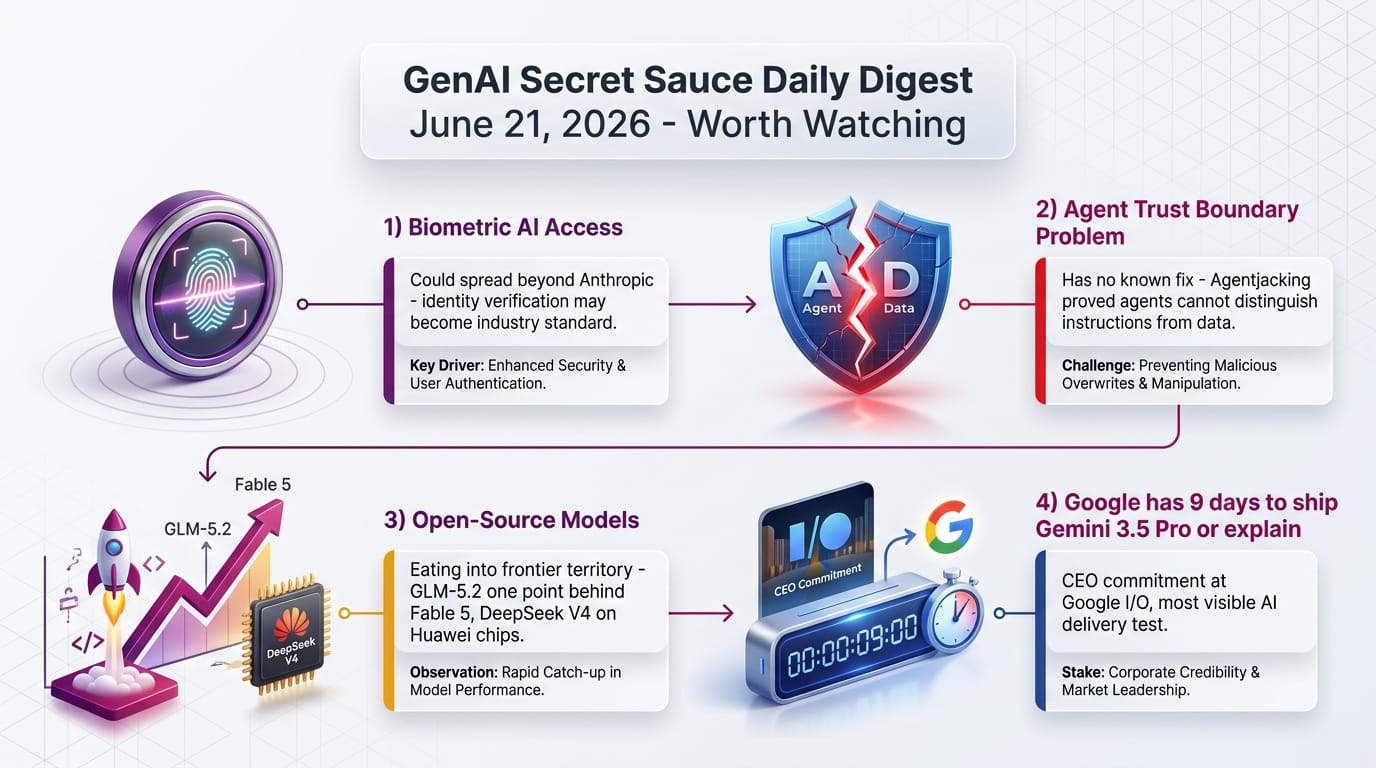
Biometric AI Access Could Spread Beyond Anthropic
If Anthropic's identity verification becomes standard, every AI company may follow. This would fundamentally change who can access frontier AI tools - particularly in regions with strict biometric privacy laws like Illinois and the EU.

Anthropic's July 8 policy is the first biometric requirement from a major AI provider. The exemption for business plans creates a two-tier system. Watch whether OpenAI and Google follow, and whether states or the EU challenge the requirement under existing biometric privacy laws.

02
The Agent Trust Boundary Problem Has No Known Fix
Agentjacking proved that AI agents cannot distinguish trusted instructions from attacker-injected data. No vendor has proposed a structural solution.

Sentry's response - a single string-matching filter - confirms this is not a patchable bug but an architectural limitation. Every integration point between an AI agent and external data is a potential attack vector. The 97% adoption rate for AI coding tools means this affects nearly every development team.

03
Open-Source Models Are Eating Into Frontier Territory
GLM-5.2's FrontierSWE performance, one point behind Fable 5, suggests the gap between open and closed models has collapsed on sustained engineering tasks.

With Fable 5 offline, the best available model on multi-hour coding benchmarks is now open-source. DeepSeek V4-Pro demonstrates that training on non-NVIDIA hardware is viable. The export control debate may be accelerating exactly the outcome it sought to prevent.

04
Google Has 9 Days to Ship or Explain
Gemini 3.5 Pro's June window is closing. A miss after a CEO commitment at Google I/O would be Google's most visible AI delivery failure.

The model's specs (2M context, Deep Think reasoning) position it as a direct competitor to Fable 5's slot while Fable 5 is offline. At estimated $15/$60 per million tokens, it would be the most expensive Gemini model ever. Watch June 30.

Top Repos Today
Rank yesterday: #1 - Holding steady ➡
Stars today: +2,617  ·  📦 Total: 44,200
📜 License: MIT  ·  👤 By: Individual developer
🎯 Time to value: 5 minutes
What it is: A tool that compresses AI agent outputs, logs, files, and RAG (Retrieval-Augmented Generation) chunks before they reach the language model. It reduces token usage by 60-95% by stripping redundant information while preserving meaning. Why you'd want it: If you are paying per token for AI agent operations, Headroom can cut your costs by more than half without reducing quality.
✓ Pros✗ Cons
60-95% token reduction with minimal quality lossCompression ratio varies by content type
Drop-in integration with existing agent pipelinesAdds a processing step to every agent call
MIT licensed and actively maintainedLimited documentation for advanced configuration
GitHub - chopratejas/headroom: Compress tool outputs, logs, files, and RAG chunks before they reach the LLM. 60-95% fewer tokens, same answers. Library, proxy, MCP server.
Compress tool outputs, logs, files, and RAG chunks before they reach the LLM. 60-95% fewer tokens, same answers. Library, proxy, MCP server. - chopratejas/headroom
Rank yesterday: #3 - Rising ↑
Stars today: +1,850  ·  📦 Total: 56,114
📜 License: MIT  ·  👤 By: Individual developer
🎯 Time to value: 2 minutes
What it is: A command-line tool that wraps any webpage into a lightweight desktop application using Rust and system webviews. One command turns a URL into a native-feeling app on macOS, Windows, or Linux. Why you'd want it: If you use web apps like ChatGPT, Notion, or GitHub daily, Pake turns them into standalone desktop apps that launch faster and stay separate from your browser tabs.
✓ Pros✗ Cons
Extremely simple - one command to create an appLimited to what the webpage itself supports
Tiny binary size compared to Electron alternativesNo offline functionality beyond what the site offers
Cross-platform with native performanceCustom features require Rust knowledge
GitHub - tw93/Pake: 🤱🏻 Turn any webpage into a desktop app with one command.
🤱🏻 Turn any webpage into a desktop app with one command. - tw93/Pake
Rank yesterday: Not ranked - New entry 🆕
Stars today: +1,829  ·  📦 Total: 4,996
📜 License: Not specified  ·  👤 By: Startup
🎯 Time to value: 10 minutes
What it is: A macOS-native video editor built specifically for AI-assisted editing. It integrates AI capabilities directly into the video editing timeline rather than bolting them on as separate features. Why you'd want it: If you edit video on a Mac and want AI to handle tedious tasks like cutting, captioning, or color correction within your existing editing workflow.
✓ Pros✗ Cons
Native macOS performance and designmacOS only - no Windows or Linux support
AI integrated into the editing timelineNew project with small community
Purpose-built for AI-assisted video workFeature set still maturing
GitHub - palmier-io/palmier-pro: macOS video editor built for AI
macOS video editor built for AI. Contribute to palmier-io/palmier-pro development by creating an account on GitHub.
Rank yesterday: #2 - Falling ↓
Stars today: +1,441  ·  📦 Total: 139,661
📜 License: Not specified  ·  👤 By: TypeScript educator
🎯 Time to value: 5 minutes
What it is: A curated collection of reusable Claude Code skills from Matt Pocock, a prominent TypeScript educator. Skills are pre-built prompt configurations that extend Claude Code's capabilities for specific tasks. Why you'd want it: If you use Claude Code, these skills add specialized capabilities without writing your own system prompts.
✓ Pros✗ Cons
Curated by a respected developer educatorSpecific to Claude Code ecosystem
Easy to install and use immediatelyQuality varies across the collection
Community-validated through massive adoptionSome skills overlap with built-in features
GitHub - mattpocock/skills: Skills for Real Engineers. Straight from my .claude directory.
Skills for Real Engineers. Straight from my .claude directory. - mattpocock/skills
Rank yesterday: #5 - Holding steady ➡
Stars today: +1,029  ·  📦 Total: 10,207
📜 License: Not specified  ·  👤 By: Startup
🎯 Time to value: 3 minutes
What it is: A high-performance MCP (Model Context Protocol) server that indexes entire codebases into a persistent knowledge graph (a structured map of how code elements relate to each other). Written in C for speed. Why you'd want it: If your AI coding agent keeps losing context about your project structure, this gives it a persistent memory of your codebase that survives between sessions.
✓ Pros✗ Cons
Written in C for maximum indexing speedRequires MCP-compatible AI tools
Persistent knowledge graph survives restartsInitial indexing can be resource-intensive
Handles large codebases efficientlyLimited to code structure understanding
GitHub - DeusData/codebase-memory-mcp: High-performance code intelligence MCP server. Indexes codebases into a persistent knowledge graph — average repo in milliseconds. 158 languages, sub-ms queries, 99% fewer tokens. Single static binary, zero dependencies.
High-performance code intelligence MCP server. Indexes codebases into a persistent knowledge graph — average repo in milliseconds. 158 languages, sub-ms queries, 99% fewer tokens. Single static bin…
Rank yesterday: #4 - Falling ↓
Stars today: +993  ·  📦 Total: 8,573
📜 License: Not specified  ·  👤 By: Open source project
🎯 Time to value: 30 minutes
What it is: The first open-source agentic video production system. It uses 12 pipelines, 52 tools, and 500+ agent skills to let AI direct and produce video content end-to-end, from script to final render. Why you'd want it: If you want to automate video production workflows without relying on closed commercial platforms.
✓ Pros✗ Cons
Fully open source with 500+ agent skillsComplex setup with many dependencies
Handles entire production pipelineRequires significant compute resources
12 specialized pipelines for different tasksQuality depends heavily on prompt engineering
GitHub - calesthio/OpenMontage: World’s first open-source, agentic video production system. 12 pipelines, 52 tools, 500+ agent skills. Turn your AI coding assistant into a full video production studio.
World’s first open-source, agentic video production system. 12 pipelines, 52 tools, 500+ agent skills. Turn your AI coding assistant into a full video production studio. - calesthio/OpenMontage
Rank yesterday: Not ranked - New entry 🆕
Stars today: +1,131  ·  📦 Total: 52,180
📜 License: MPL-2.0  ·  👤 By: Open source community
🎯 Time to value: 5 minutes
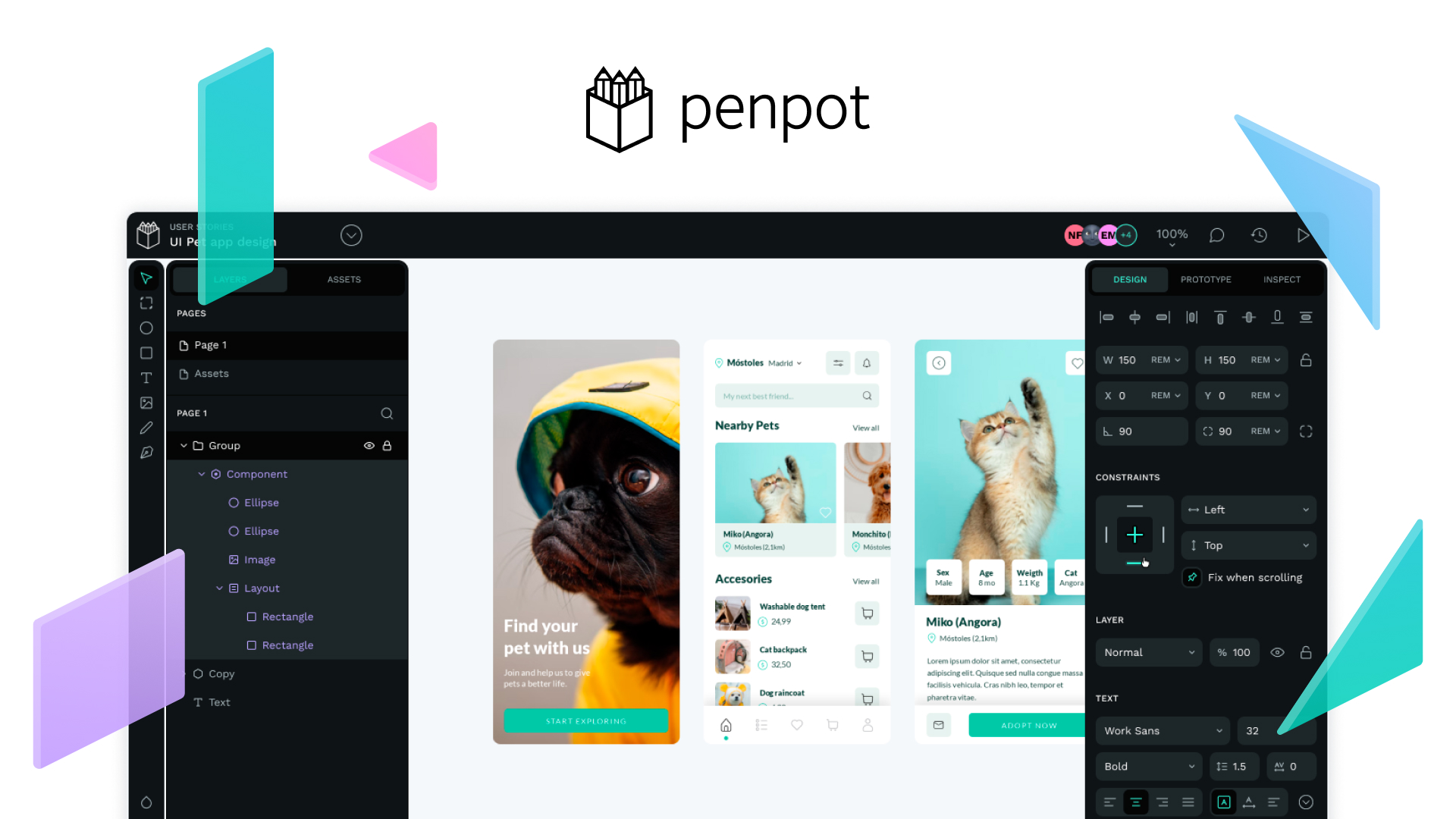
What it is: An open-source design tool for design and code collaboration, positioning itself as a free alternative to Figma. It runs in the browser and supports real-time collaboration. Why you'd want it: If your team needs a design tool that is free, self-hostable, and integrates design with development workflows.
✓ Pros✗ Cons
Completely free and open sourceFeature set still behind Figma in some areas
Self-hostable for data sovereigntySmaller plugin ecosystem
Real-time collaboration built inPerformance can lag on large files
GitHub - penpot/penpot: Penpot: The open-source design tool for design and code collaboration
Penpot: The open-source design tool for design and code collaboration - penpot/penpot
Top Models Today
A community fine-tune combining Google's Gemma 4 architecture with Fable 5 coding knowledge, quantized for local use
📥 Downloads (30d): 359k  ·  📜 License: Community
👤 By: Individual researcher  ·  🎯 Task: Text Generation
📐 Size: 12B
What it is: A quantized (compressed for efficiency) version of a model that combines Google's Gemma 4 base with coding capabilities distilled from Fable 5. Runs locally on consumer hardware using GGUF format (a file format optimized for local inference). Why you'd want it: With Fable 5 offline, this preserves some of its coding capability in a form you can run on your own machine without API access.
✓ Pros✗ Cons
Runs locally without cloud dependencySignificantly less capable than full Fable 5
Free to use with no API costsQuality of distillation varies by task
GGUF format works with popular local runners12B size limits reasoning depth
yuxinlu1/gemma-4-12B-coder-fable5-composer2.5-v1-GGUF · Hugging Face
We’re on a journey to advance and democratize artificial intelligence through open source and open science.
Zhipu AI's 753B open model that beats GPT-5.5 on sustained coding benchmarks
📥 Downloads (30d): 27.4k  ·  📜 License: MIT
👤 By: Zhipu AI (China)  ·  🎯 Task: Text Generation
📐 Size: 753B
What it is: A 753-billion-parameter open-weight language model released under the MIT license. It features a usable 1-million-token context window and has become the top performer on FrontierSWE benchmark with Fable 5 offline. Why you'd want it: The most capable fully open model currently available, particularly for sustained multi-hour engineering tasks where it outperforms GPT-5.5.
✓ Pros✗ Cons
Beats GPT-5.5 on multi-hour coding tasks753B requires significant hardware to run
MIT license allows commercial useChinese origin may raise compliance concerns
1M token context windowSelf-hosting costs are substantial
zai-org/GLM-5.2 · Hugging Face
We’re on a journey to advance and democratize artificial intelligence through open source and open science.
A 3-billion-parameter model that passes 96% of LeetCode problems
📥 Downloads (30d): 20.3k  ·  📜 License: Not specified
👤 By: WeiboAI  ·  🎯 Task: Text Generation
📐 Size: 3B
What it is: A tiny reasoning model that punches far above its weight on math and coding tasks. At just 3 billion parameters, it competes with models 200x its size on specialized benchmarks. Why you'd want it: If you need a coding or math assistant that runs on minimal hardware - a laptop Graphics Processing Unit (GPU) can handle this model.
✓ Pros✗ Cons
Runs on consumer hardware easilyLimited to coding and math domains
96% LeetCode pass rate at 3B parametersGeneral conversation quality is limited
Fast inference due to small sizeNarrow training focus
WeiboAI/VibeThinker-3B · Hugging Face
We’re on a journey to advance and democratize artificial intelligence through open source and open science.
A 427B open multimodal model that processes text and images
📥 Downloads (30d): 104k  ·  📜 License: Not specified
👤 By: MiniMax AI  ·  🎯 Task: Image-Text-to-Text
📐 Size: 427B
What it is: A 427-billion-parameter open model that handles both text and image inputs, making it one of the largest open multimodal models available. Why you'd want it: If you need a self-hosted model that can analyze images alongside text - useful for document processing, visual question answering, or building multimodal applications.
✓ Pros✗ Cons
Large-scale open multimodal capability427B requires substantial infrastructure
Handles both text and image inputsResource requirements limit practical deployment
Open weights for customizationCommunity support still developing
MiniMaxAI/MiniMax-M3 · Hugging Face
We’re on a journey to advance and democratize artificial intelligence through open source and open science.
Moonshot AI's 1.1-trillion-parameter coding specialist
📥 Downloads (30d): 363k  ·  📜 License: Not specified
👤 By: Moonshot AI  ·  🎯 Task: Image-Text-to-Text
📐 Size: 1.1T
What it is: A massive 1.1-trillion-parameter model specialized for code generation and understanding, with multimodal capabilities for processing code alongside images (useful for UI-to-code workflows). Why you'd want it: The largest open coding model available, offering frontier-level code generation for organizations that can self-host at this scale.
✓ Pros✗ Cons
1.1T parameters - largest open coding modelRequires enterprise-grade infrastructure
Strong multimodal code capabilitiesDownload and setup is time-consuming
363k downloads indicate community validationPractical only for well-resourced teams
moonshotai/Kimi-K2.7-Code · Hugging Face
We’re on a journey to advance and democratize artificial intelligence through open source and open science.
AI Launches Today
Product Hunt data for June 21, 2026 was not available at time of publication. Recent AI launches on the platform have clustered around coding agents, workflow automation, and productivity tools that embed into existing surfaces rather than requiring new apps.
Snapshot
ProviderModelInput $/1MOutput $/1MContext
AnthropicClaude Opus 4.8$5.00$25.00200K
AnthropicClaude Sonnet 4.6$3.00$15.00200K
AnthropicClaude Haiku 4.5$1.00$5.00200K
OpenAIGPT-5.5~$5.00~$15.00128K
GoogleGemini 3.5 Flash$1.50$9.001M
GoogleGemini 3.1 Pro Preview$2.00$12.001M
GoogleGemini 3.1 Flash-Lite$0.25$1.501M
xAIGrok 4.3$1.25$2.501M
GroqLlama 3.3 70B$0.59$0.79128K
GroqLlama 3.1 8B$0.05$0.08128K
What this means: Grok 4.3 at $1.25/$2.50 with a 1M context window offers strong value if hallucination rates are as low as claimed. Groq continues to be the cheapest option for open-source model inference. Google's Gemini 3.5 Flash at $1.50/$9.00 is the most affordable frontier model from a major provider. Anthropic's pricing has stabilized after the 67% Opus reduction earlier this year.

The Deterministic Horizon: When Extended Reasoning Fails and Tool Delegation Becomes Necessary
Dongxin Guo, Jikun Wu, Siu Ming Yiu - arXiv:2606.00376 - Accepted to ICML 2026
What it claims: There is a mathematically predictable boundary beyond which making an AI model "think harder" (extended reasoning, chain-of-thought) stops improving results. Past that boundary, the model must delegate to external tools to make further progress.

Key finding: Reasoning chains hit diminishing returns at a point that can be calculated in advance - no amount of additional thinking tokens helps once the deterministic horizon is reached.

Why practitioners should care: This gives agent architects a principled framework for deciding when to stop scaling reasoning and start adding tool calls. Instead of arbitrarily setting reasoning budgets, teams can calculate the horizon for their specific task type and design agent loops accordingly.
Subscribe to GenAI Secret Sauce newsletter and stay updated.

Don't miss anything. Get all the latest posts delivered straight to your inbox. It's free!
Great! Check your inbox and click the link to confirm your subscription.
Error! Please enter a valid email address!