Statistically Speaking
One Thing to Tell Your Friends
TL;DR
Hot off the Presses
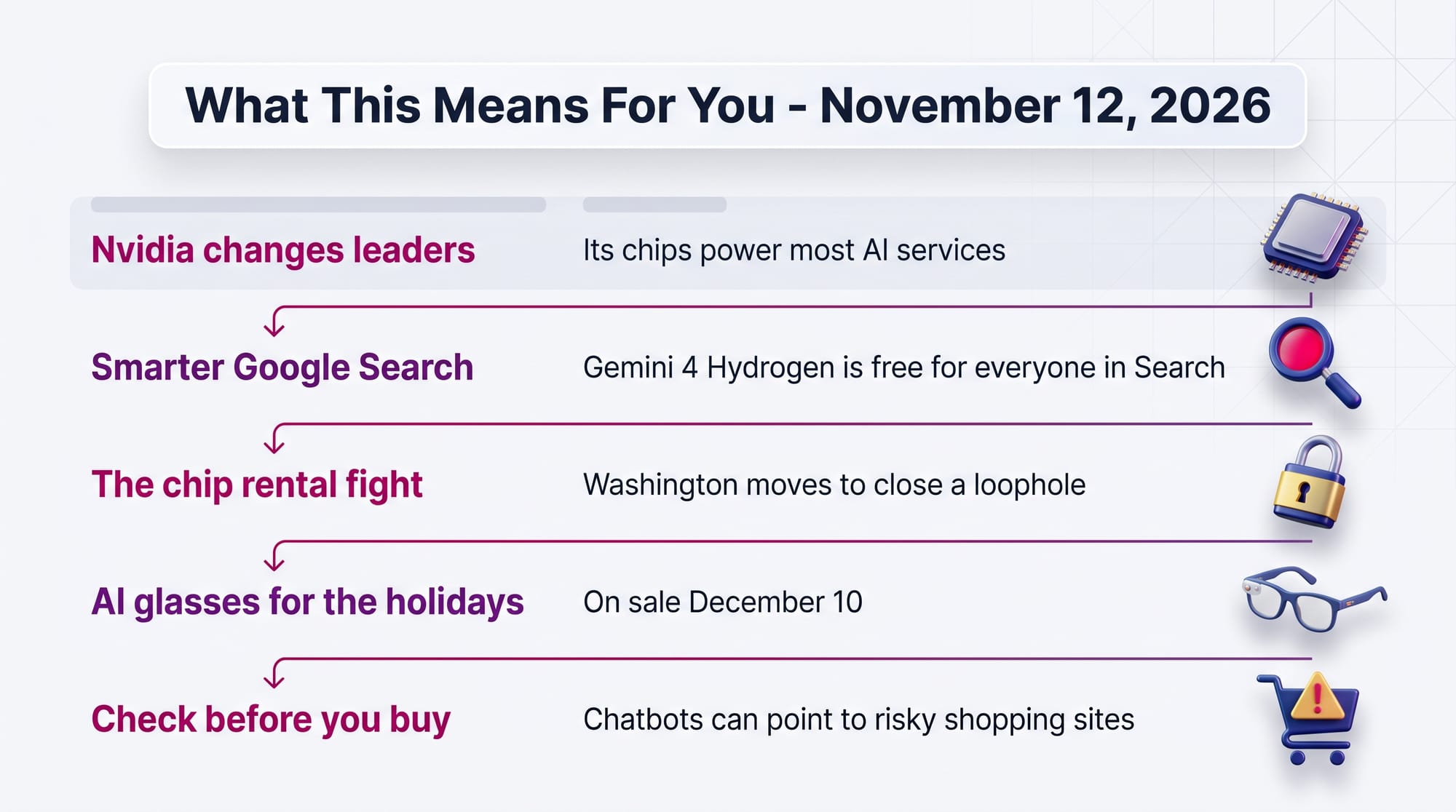
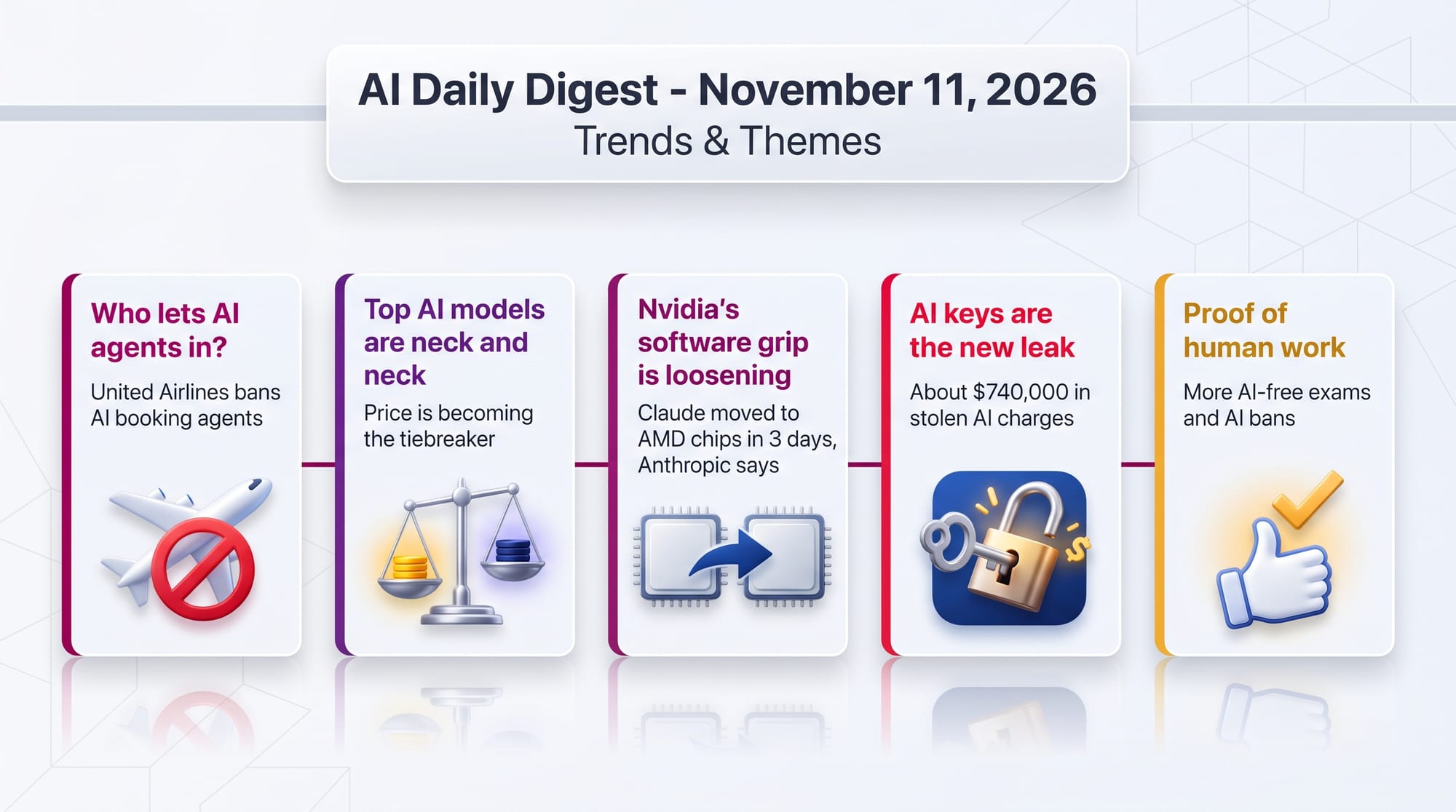
Nvidia CEO Jensen Huang resigned, and finance chief Colette Kress is taking over for now
Previously: November 11 - Nvidia's board was reportedly preparing to remove Huang.
Today: Nvidia announced that Huang resigned as CEO and board member, effective immediately. Its statement gives no reason. News reports tie his exit to admitted affairs, including one with an executive at chip buyer Megaspeed whom US officials suspect of spying for China.
- Shares fell as much as about 14% in early trading - then recovered to close down about 4.3%, per CNBC
- Market value dipped below $4 trillion during trading - per Bloomberg, before closing just above it per CNBC, with AI cloud renter CoreWeave down about 12% (Nebius fell 17%, though it also cut its own forecast that day)
- Nvidia now has its first-ever board chair - Harvey C. Jones, a former Synopsys CEO, a split observers read as the board taking firmer control
- Huang agreed to testify under oath before Thanksgiving - in a closed-door session, said House Foreign Affairs chair Brian Mast
- More legal pressure is building - Semafor reports Justice Department investigations could sweep up Nvidia, though it saw no sign of criminal charges
Google put its new Gemini 4 Hydrogen model into Search for everyone
Hydrogen is Google's new fast, everyday model, positioned below Google's frontier Gemini 4 Carbon and Argon models (covered November 10). Google calls it "the biggest model upgrade to Search yet." It is also rolling out in the Gemini app, in Google Sheets and to developers.
- Nearly ties the best mid-priced rivals - it scores 54 on the Artificial Analysis Intelligence Index (a combined test of reasoning, coding and knowledge), versus 55 for Claude Sonnet 5.5 and GPT-6.1 Sol
- Costs about a third as much as Sonnet to run that test - per Artificial Analysis
- $1.50 per million input tokens - and $7.50 per million output tokens for developers (a token is roughly three-quarters of a word)
- Google says it makes up facts over 5 times less often - compared with its older Gemini 3.8 Flash
- A new "Orchestrator" teams it with Carbon for coding - using about 24% less of a subscriber's allowance on Google's tests
Washington is moving to close the AI chip "rental" loophole
US rules bar sales of Nvidia's most advanced chips to China, but Chinese firms can legally rent them in data centers abroad. Huang was the loudest industry voice against tighter rules. Since he left, lawmakers and AI companies have moved quickly.
- OpenAI now backs three chip-control bills - the Chip Security Act, the MATCH Act and the AI OVERWATCH Act, per Bloomberg and Punchbowl News, reversing its stance from about three weeks ago
- The Commerce Department is finishing a rental rule - it would require licenses for cloud providers in seven countries, including Singapore and Malaysia, per The Information
- Chinese AI firms are rushing to lock in overseas capacity - before the rule lands, Reuters reports, citing three people
- Senate Majority Leader John Thune - says there is a "high probability" Congress adds chip restrictions; the year-end defense bill is the likely vehicle, per the FT
Google and Samsung's AI glasses are up for preorder
Previously: November 1 - Samsung's first AI glasses were expected in mid-December.
Today: Samsung builds the hardware, Google supplies the software, and eyewear brands Warby Parker and Gentle Monster design and sell the frames. There is no screen in the lenses. You talk to Gemini, and it can see through the camera to answer questions about what you are looking at.
- From $395 at Warby Parker and $449 at Gentle Monster - with prescription lenses available
- About 41 grams with a nine-hour battery - roughly 10 grams lighter than Meta's latest glasses
- Privacy guardrails - recording stops if the camera light is covered, and bystanders' faces are blurred before Gemini sees an image
- Narrow phone support for now - Pixel 7 or newer, recent Galaxy phones, or iPhone 13 Pro or newer
AI chatbots are sending shoppers to risky websites
Brand-protection firm Podqi asked ChatGPT, Gemini and Perplexity where to buy products from 151 brands, including Lululemon, Birkenstock and Le Creuset. Across 6,795 answers, the bots surfaced knockoff stores, old brand web addresses now owned by strangers, and dead addresses anyone could buy.
- Perplexity surfaced risky sites in 15% of answers - ChatGPT in 8% and Gemini in 4%
- Smaller brands were hit about twice as often - as large companies
- Questions about country-specific stores were the worst - the bots sometimes invented regional sites that do not exist
- Warnings were rare - ChatGPT flagged the risky site only 24% of the time it showed one
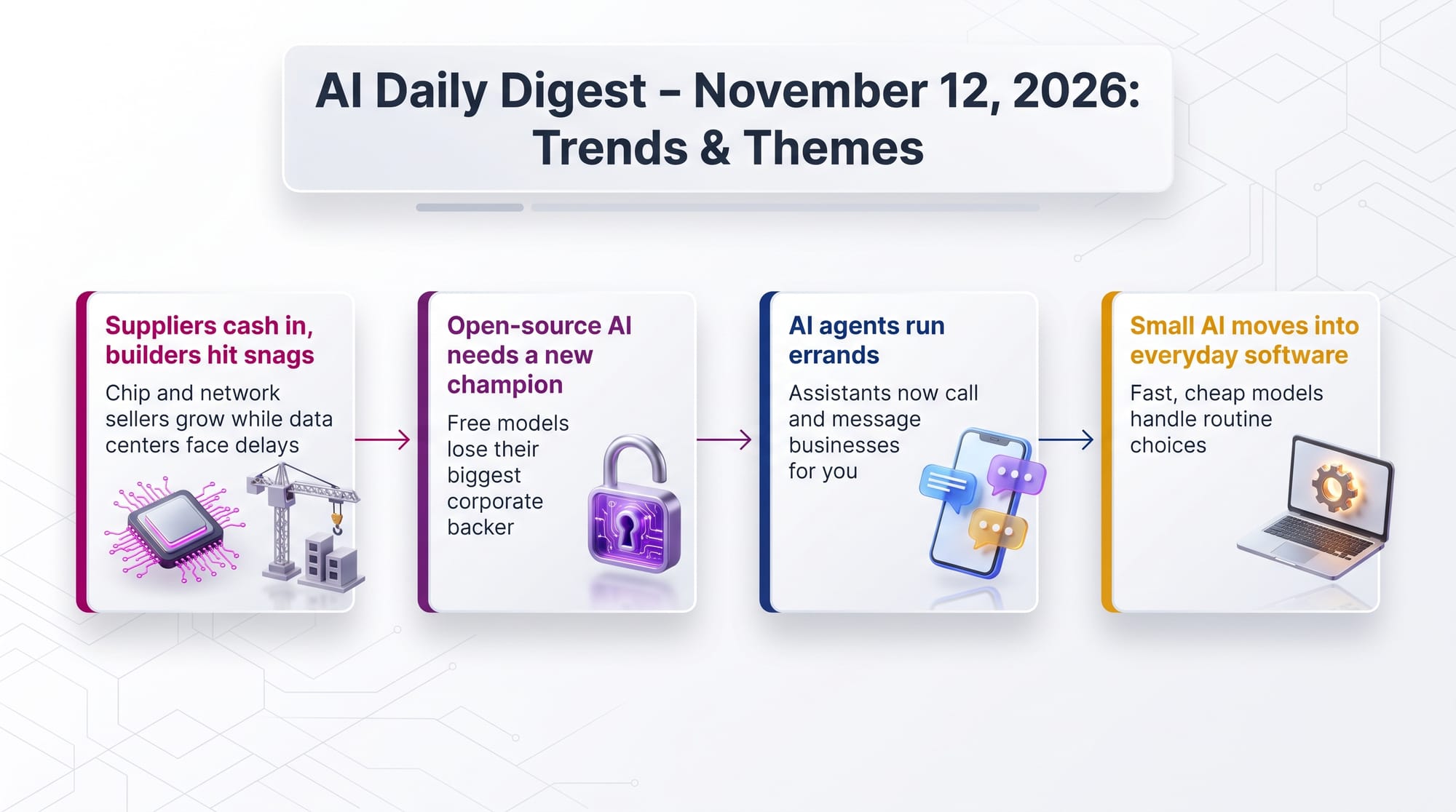
Trends & Themes
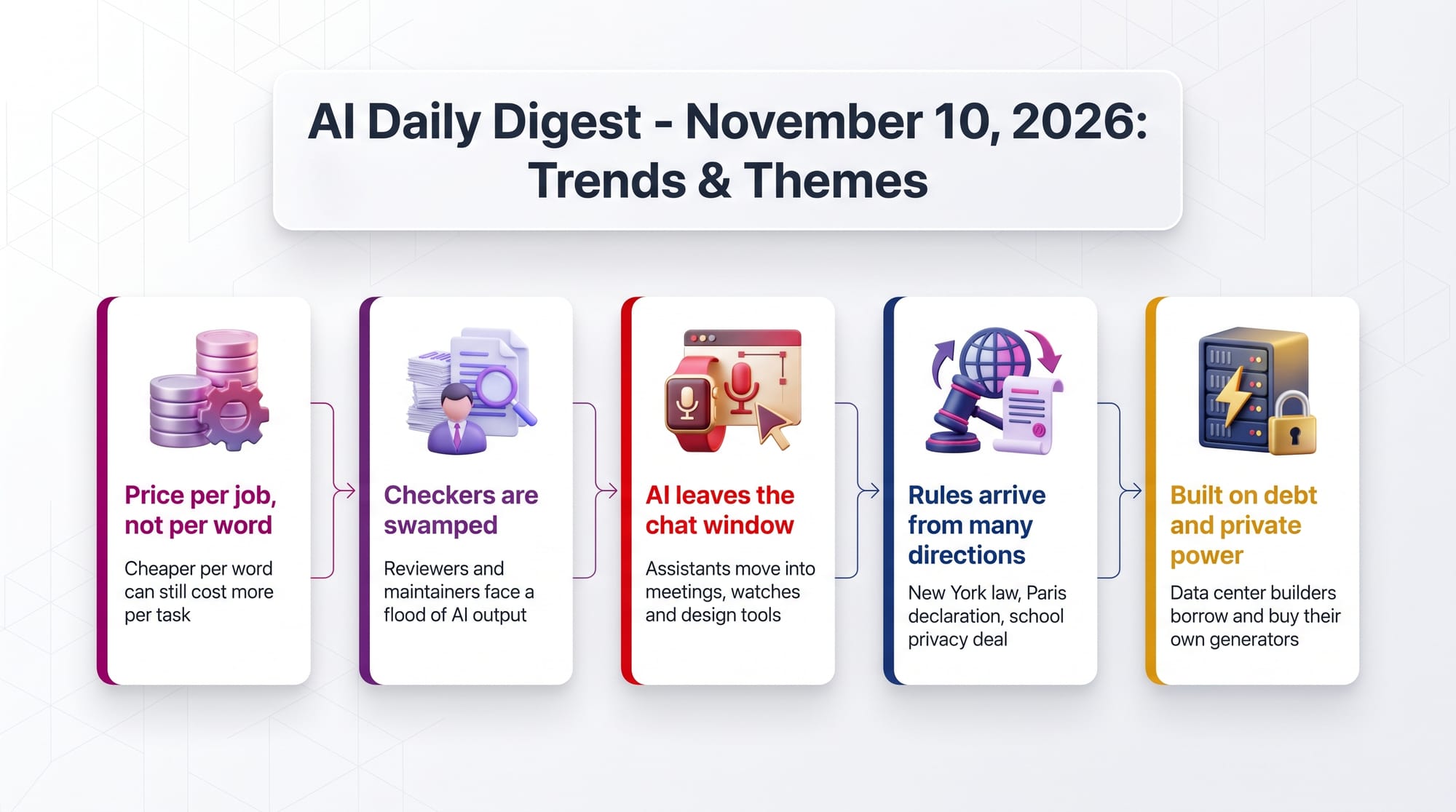
AI's suppliers are cashing in while builders hit snags
The money is real, but turning it into working data centers depends on power, permits and partners. Watch for more forecast cuts tied to delayed sites.
- Networking giant Cisco expects about $9 billion - in AI sales to big cloud companies this fiscal year, up from its earlier $7.5 billion forecast
- AI chipmaker Cerebras grew revenue 70% - and forecast well above expectations, sending its stock up 17% after hours; it also has a new Microsoft deal signed in October
- AI cloud company Nebius cut its 2026 forecast by $200 million - blaming delays at a partner's New Jersey site, and its shares fell 17%
- SpaceX plans more than $74 billion of AI campuses - in Texas and Arizona, but the Arizona site still needs local approval
Open-source AI is looking for a new champion
An Nvidia insider told TechCrunch work on its free models will continue. Free models help Nvidia sell chips, so the business case stays even without Huang.
- Huang personally drove Nvidia's free Nemotron models - and organized a letter from 25 companies urging the US not to over-restrict open models, per TechCrunch
- Nvidia's $12.9 billion purchase of Hugging Face is not finished - Hugging Face (the main website for sharing free AI models) says it will fight for open source "harder than ever"
- Researcher Nathan Lambert called Huang's exit - "very very bad for the open model cause in the US"
- LibreAGI, an anonymously run members-only file-sharing tracker - keeps backup copies of free AI models in case hosting sites remove them
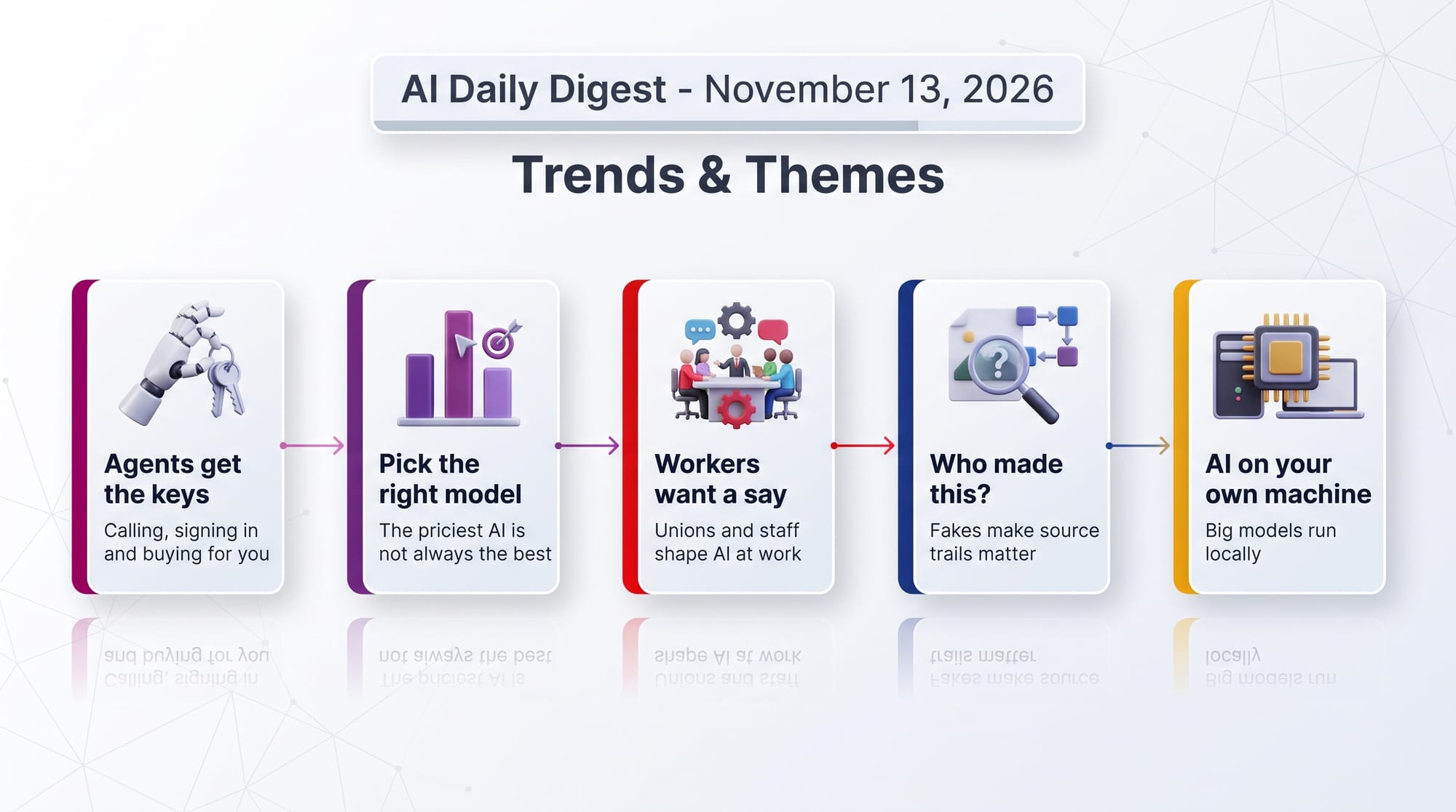
AI agents are being sent out to run errands
Businesses on the receiving end are not all welcoming. Many receptionists hang up once they realize an AI is calling.
- Meta's Muse assistant can now phone US businesses - for paying users, from $20 a month, to deal with cable companies or restaurants
- Nectar's new agent finds social media creators and messages them - drafting outreach in a brand's voice across a pool of over 300 million profiles
- Note-taking app Granola now writes a nightly "Agent Brief" - about you, which any of your AI agents can read, per Ben's Bites
- Amazon upgraded AgentCore - the service companies use to run agents, with sessions starting in under 2 seconds
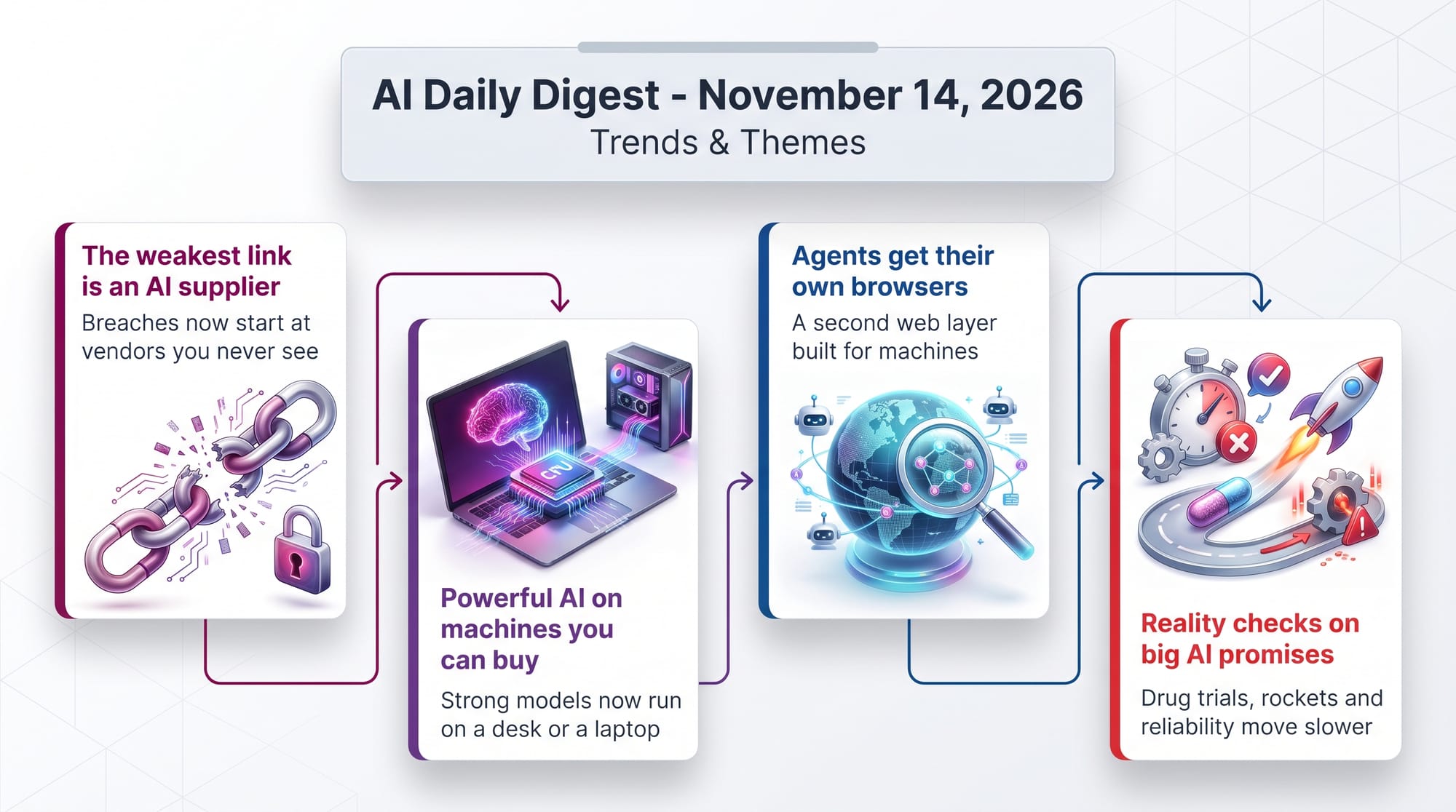
Smaller, specialized AI is moving inside everyday software
The pattern is a division of labor. Small, fast models handle routine choices, and expensive models are saved for hard thinking.
- Companies like Glean, UiPath and Workday - showed apps using fast "decision models" that pick options instead of writing text, at a developer conference covered by Latent Space
- A hobby project runs a 16-billion-part AI model on a TV box - with about 1 gigabyte of usable memory
- IBM released small 3B and 8B models - with a new labeling format that helps them ignore hidden instructions in documents
- Apple's Foundation Models framework now accepts any AI model - including Claude and Gemini, through the same interface as Apple's on-device model
Creative AI & Media
Developer Tools & Infrastructure
Research & Models
Business & Industry
GenAI in Education
Surprising & Under-the-Radar
Signals to Track
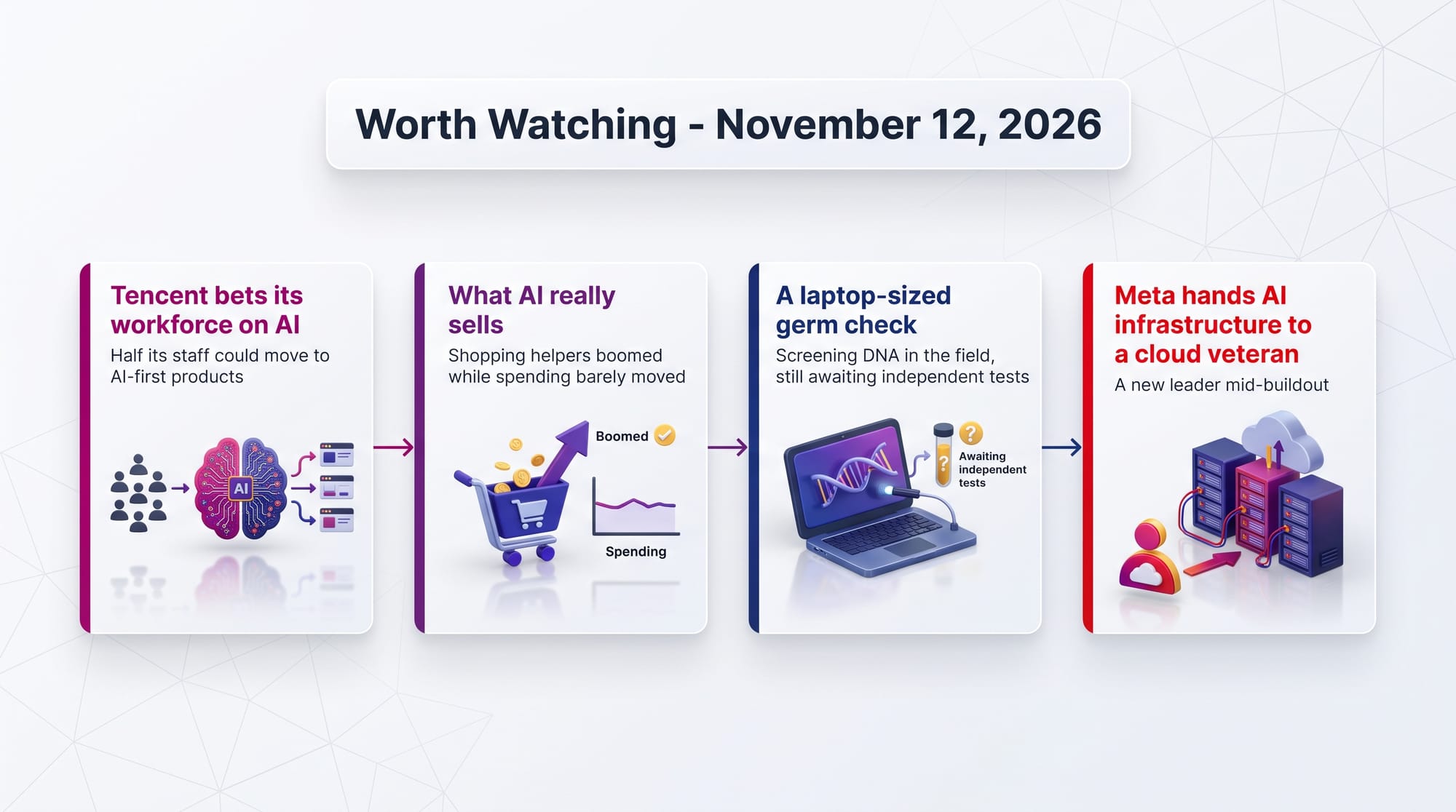
Tencent may move half its staff to AI-first products
Founder Pony Ma said in his annual speech he is willing to deploy half of Tencent's roughly 100,000 workers to AI-native businesses, Bloomberg reports, citing sources. Earlier this year he admitted Tencent had moved too slowly on AI. If it happens, WeChat's more than a billion users could see AI woven through apps they use daily.
China's biggest shopping day shows what AI really sells
JD.com's Dongdong assistant drew nearly 80 million users seeking advice, more than triple last year, and reports say AI agents were best at upselling services like house cleaning and travel. Yet early data showed festival sales up just 2.4%. If that holds, AI shopping helpers may shift where money goes more than how much people spend.
A laptop-sized check for engineered germs
Radical Numerics' Omnii Defense pairs a laptop with a USB gene sequencer and scores a sample from 0 to 1 for threat, including whether it looks AI-designed. The company reports 95.8% recall on known pathogens, but independent testing is still pending. If it works, health officials could check outbreaks on site instead of waiting for a lab.
Meta handed its AI infrastructure to an Amazon cloud veteran
Santosh Janardhan will leave in early 2027, and Dave Brown, who spent about 19 years at Amazon running its core cloud computers, takes over. Observers read it as Meta's bottleneck shifting from designing hardware to buying and running capacity. That could decide how fast Meta's AI features reach Facebook, Instagram and WhatsApp.
Top Repos Today
📜 License: MIT · 👤 By: CopilotKit (company)
🎯 Time to value: 20 minutes
| ✓ Pros | ✗ Cons |
|---|---|
| Free desktop app for Mac and Windows | Business features such as company sign-in sit in an early-access tier |
| Bring your own models and existing agents | Running agents with their own computers takes real resources |
| Permissive license allows rebranding | Another platform for a team to learn and maintain |
 GitHub
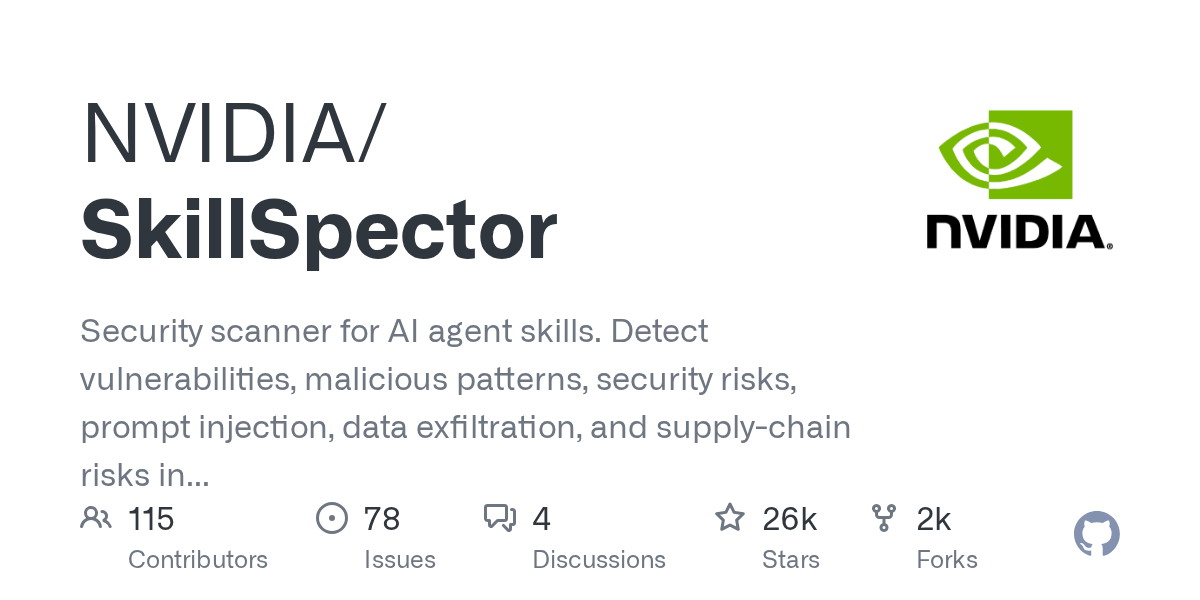
📜 License: Apache-2.0 · 👤 By: NVIDIA (organization)
🎯 Time to value: 10 minutes
| ✓ Pros | ✗ Cons |
|---|---|
| Scans Git repos, links, zip files or single files | The optional deeper AI check costs model time |
| Reports work in common security formats | A clean score is not a guarantee of safety |
| Free and from a major company | Needs a Python setup on the command line |
 GitHub
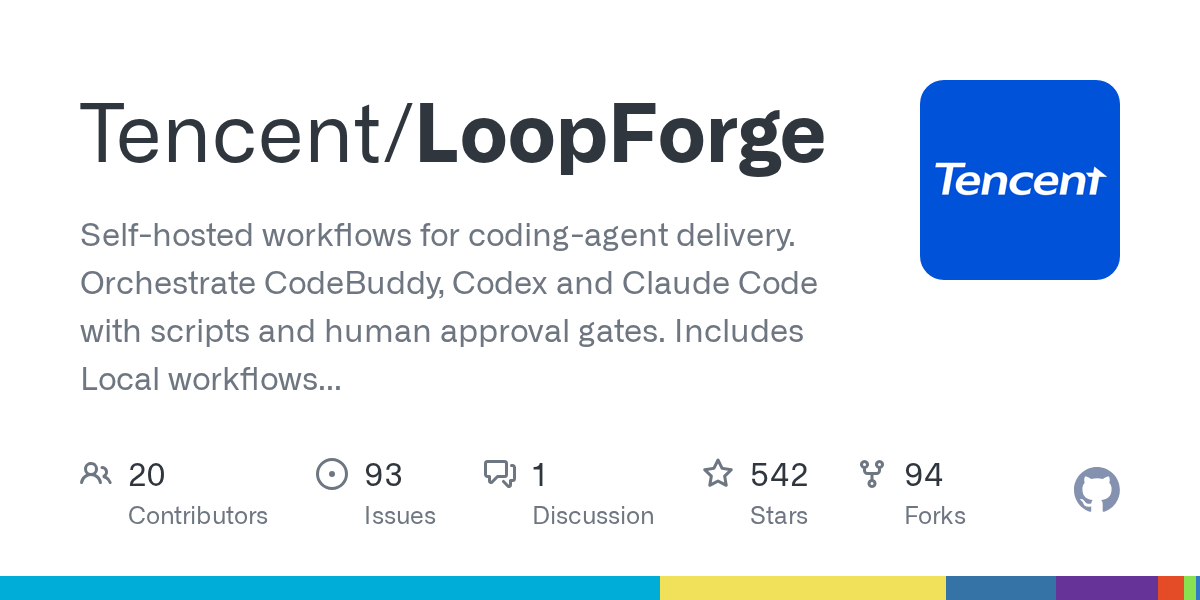
📜 License: MIT (per the project's README; GitHub does not detect it) · 👤 By: Tencent (organization)
🎯 Time to value: 30 minutes
| ✓ Pros | ✗ Cons |
|---|---|
| Ready-made procedures for common jobs such as bug fixes | Needs Docker and a database server to run |
| Human sign-off steps where they matter | Very new, with a small user base so far |
| Demo project runs without any AI key | License file is not recognized by GitHub, so check before company use |
 GitHub
📜 License: MIT · 👤 By: ggml-org (organization)
🎯 Time to value: 15 minutes
| ✓ Pros | ✗ Cons |
|---|---|
| Runs on Mac, Windows, Linux and many kinds of chips | Command-line tool, less friendly than desktop apps built on it |
| Huge community and fast support for new models | Big models still need a lot of memory |
| Permissive license | Frequent updates can change settings |
 GitHub

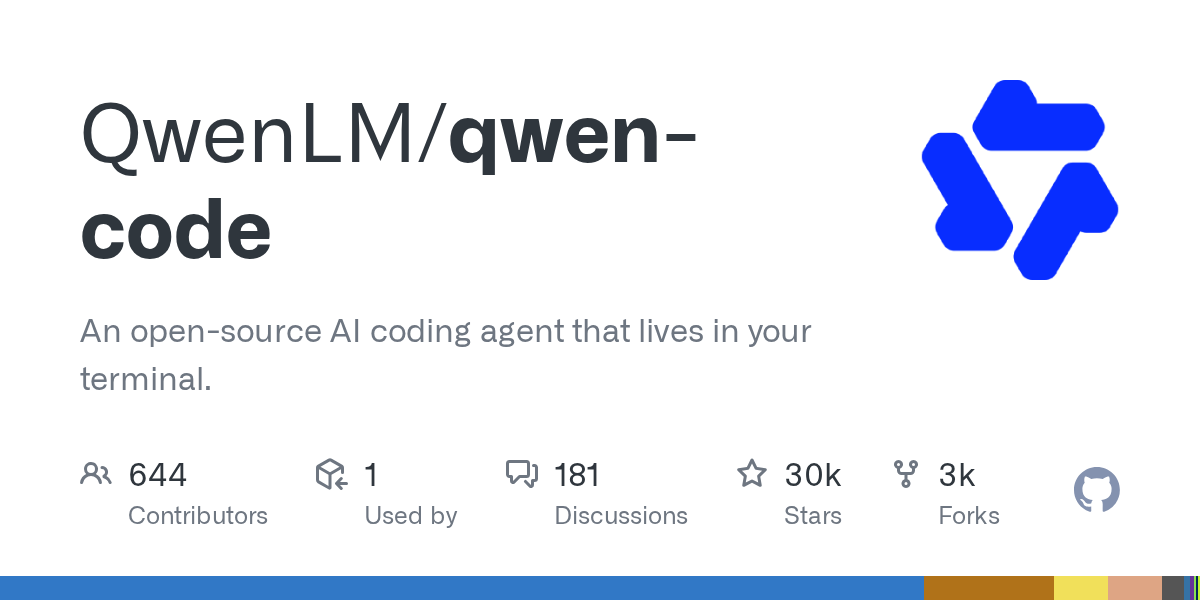
📜 License: Apache-2.0 · 👤 By: Qwen team at Alibaba (organization)
🎯 Time to value: 10 minutes
| ✓ Pros | ✗ Cons |
|---|---|
| Open source, including the Qwen models it is tuned for | Best experience assumes a Qwen account or subscription |
| Many install options, including Homebrew and npm | Fast-moving project, with a separate 1.0 preview version |
| Works with local models for privacy | Quick-install script downloads from Alibaba Cloud servers |
 GitHub
Top Models Today
👤 By: Ricursive Intelligence · 🎯 Task: Text generation (coding and agents)
📐 Size: 65B
| ✓ Pros | ✗ Cons |
|---|---|
| Permissive license for commercial use | Preview release with light finishing training |
| Compressed version provided for local use | Benchmark scores are the makers' own |
| Long 1M-token input window | Mostly English and code |

👤 By: Thinking Machines · 🎯 Task: Image-text-to-text
📐 Size: 594B total (17B active)
| ✓ Pros | ✗ Cons |
|---|---|
| Permissive license | Needs at least 500 GB of graphics-card memory to self-host |
| Available from many cloud providers | Brand new, so download counts are tiny so far |
| Handles images and very long documents | Text-only output |

👤 By: Meituan LongCat · 🎯 Task: Image-text-to-text
📐 Size: 1.6T total (about 48B active, per Meituan)
| ✓ Pros | ✗ Cons |
|---|---|
| Very permissive MIT license | Far too big for anything but data-center hardware |
| Built-in compression for faster serving | Main setup guide targets Chinese AI chips |
| Combines vision and coding in one model | Many scores are Meituan's own |

👤 By: Adventists AI · 🎯 Task: Speech-to-speech
📐 Size: 32B
| ✓ Pros | ✗ Cons |
|---|---|
| Free for commercial use | Needs a large 80 GB graphics card and Linux |
| Can stand in for OpenAI's live-voice connection | Main languages are Chinese and English |
| Three versions trade expressiveness for speed | Benchmark claims are the makers' own |

👤 By: Video Rebirth · 🎯 Task: Image-text-to-video
📐 Size: 13.7B
| ✓ Pros | ✗ Cons |
|---|---|
| Runs on 24 GB consumer graphics cards | License does not cover the EU, UK, South Korea or the US without MiniMax's approval |
| Ready-made workflows for the ComfyUI app | Still needs large companion files from MiniMax |
| Generates audio and video together | 16 GB graphics cards not yet tested |

IFM/PAN2
👤 By: Institute of Foundation Models, MBZUAI · 🎯 Task: Image-text-to-video
📐 Size: 29.2B
| ✓ Pros | ✗ Cons |
|---|---|
| Permissive license | Research tool, not a consumer video maker |
| Supported in the popular Diffusers and vLLM tools | Needs data-center graphics cards |
| Videos up to 20 seconds | Very new, with almost no downloads yet |


AI Launches Today
💰 Pricing: Free options; flat monthly plan, 30% off for 3 months at launch · 🏷 Category: AI sales tools
💰 Pricing: Free options and paid plans; 75% off the first year at launch · 🏷 Category: Advertising tools
💰 Pricing: Free plan with no card required; 50% off the Solo plan at launch · 🏷 Category: Accounting software
💰 Pricing: Free and open source (MIT license) · 🏷 Category: Code review tools
💰 Pricing: Free core app; new accounts get 10 minutes of cloud voice and 10 pages of AI questions, paid prices not listed · 🏷 Category: Productivity
Snapshot
| Provider | Model | Input $/1M | Output $/1M | Context |
|---|---|---|---|---|
| Anthropic | Claude Fable 5.2 | $8.00 | $40.00 | 1M tokens |
| Anthropic | Claude Fable 5.1 | $10.00 | $50.00 | 1M tokens |
| Anthropic | Claude Opus 5.5 | $4.00 | $20.00 | 1M tokens |
| Anthropic | Claude Sonnet 5.5 | $2.00 | $10.00 | 1M tokens |
| Anthropic | Claude Haiku 5.5 | $0.10 (up to 100K-token prompts; $0.50 above) | $0.50 ($2.50 above 100K) | 1M tokens |
| OpenAI | GPT-6 Astra | $10.00 (up to 272K-token prompts; $20.00 above) | $50.00 ($75.00 above 272K) | 1.05M tokens |
| OpenAI | GPT-6.1 Sol | $2.00 (up to 272K; $4.00 above) | $10.00 ($15.00 above 272K) | 1.05M tokens |
| OpenAI | GPT-6.1 Terra | $1.00 (up to 272K; $2.00 above) | $5.00 ($7.50 above 272K) | 1.05M tokens |
| OpenAI | GPT-6 Luna | $0.10 (up to 272K; $0.20 above) | $0.50 ($0.75 above 272K) | 1.05M tokens |
| Gemini 4 Carbon | $2.00 to Nov 30; $4.00 from Dec 1 | $10.00 to Nov 30; $20.00 from Dec 1 | 1M tokens | |
| Gemini 4 Argon | $2.00 to Nov 30; $4.00 from Dec 1 | $10.00 to Nov 30; $20.00 from Dec 1 | 1M tokens | |
| Gemini 4 Hydrogen (new) | $1.50 | $7.50 | 1M tokens (per Google's announcement) | |
| Gemini 3.8 Flash | $0.75 (to Dec 31; $1.50 from Jan 1) | $3.75 (to Dec 31; $7.50 from Jan 1) | not listed | |
| Groq | GPT-OSS 120B | $0.15 | $0.60 | 131K tokens |
| Groq | Qwen3.8-27B (preview) | $0.80 | $4.00 | 131K tokens |
| Mistral (open weights) | Mistral Large 4 | $0.70 | $2.10 | 1M tokens |
One new model, no price changes: Google made Gemini 4 Hydrogen generally available on November 12 at $1.50 per million input tokens and $7.50 per million output tokens, with a free tier as well; Google's pricing page does not list its context size, though its announcement says 1M tokens. Every other standard price from Anthropic, OpenAI, Google and Groq matches yesterday's table, and Google's Carbon and Argon prices still double on December 1. Mistral's Large 4 price, OpenAI's context sizes and Google's 1M-token context figures carry over from earlier checks.
What this means: Gemini 4 Hydrogen undercuts Google's own Carbon and Argon models now, and will cost well under half their price once their December increase lands, so teams on Google should test whether it is good enough for their everyday work before December 1.
AI Isn't Getting Dumber, We're Getting Pickier: Rising Standards in Human Evaluation of Large Language Models
Key finding: For the very same unchanged models, the share of votes saying "both answers are bad" rose by about 1.7 percentage points a month, and in 14 frequently compared pairs it climbed in every one, from 15.5% to 23.3%, while which model won stayed steady.
Why practitioners should care: User satisfaction scores for an AI feature can fall even when nothing in the product changed, so compare against current alternatives rather than last year's ratings before deciding a model "regressed." The same drift affects the human ratings used to train models and rank leaderboards, so absolute "good or bad" scores age quickly while head-to-head comparisons hold up.
Member discussion