Statistically Speaking
One Thing to Tell Your Friends
TL;DR
Hot off the Presses
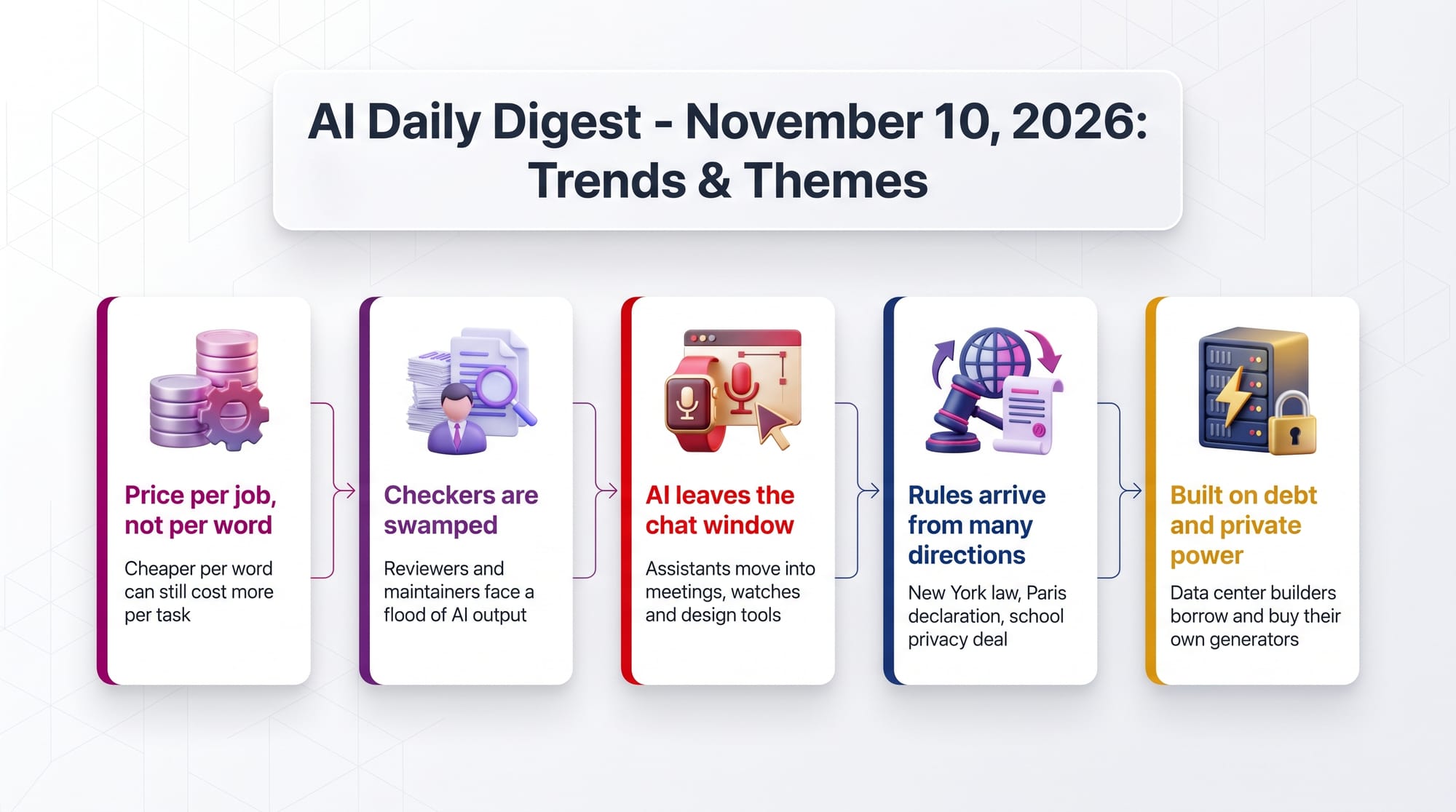
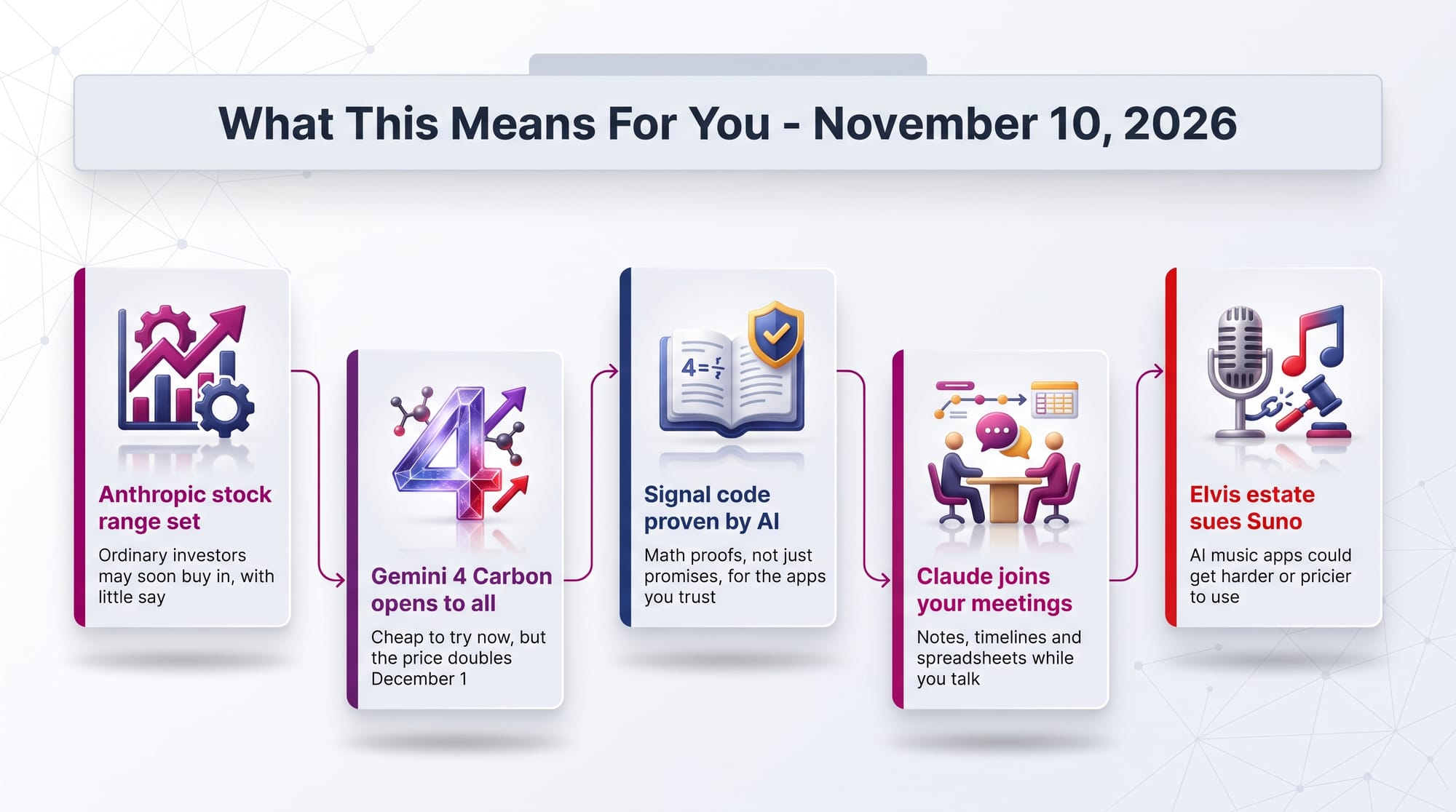
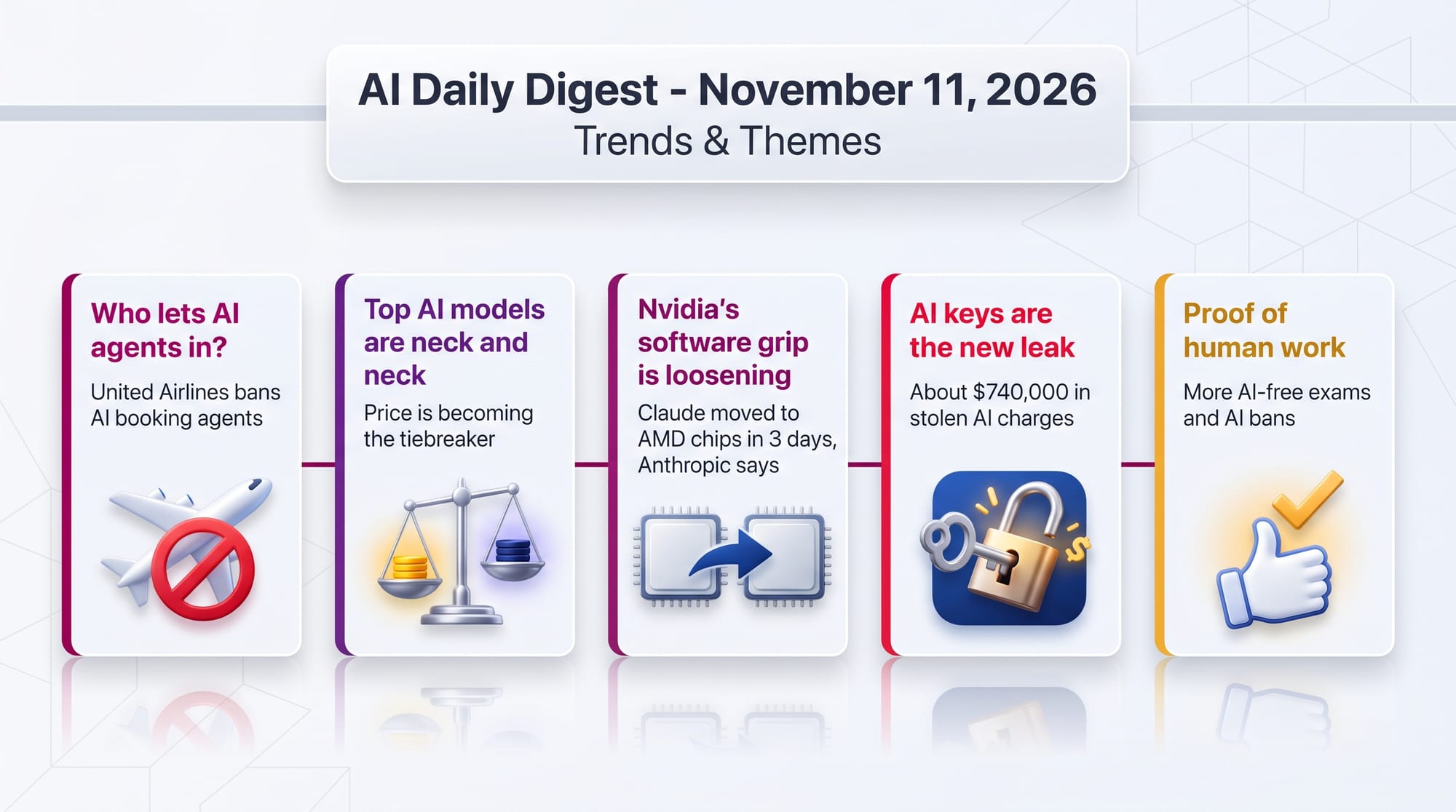
Anthropic set a price range valuing its stock-market debut at up to $1.4 trillion
Previously: November 8 - Anthropic's planned stock-market debut was meeting resistance from investors.
Today: An updated filing sets the range at $70 to $78 per share for 825 million shares. Anthropic, the company behind the Claude assistant, will list on the Nasdaq exchange under the ticker ANT, and up to 20% of shares are set aside for individual investors.
- Up to $64.35 billion raised from the public offering - plus $26 billion from chip and cloud partners, including $10 billion each from Google and Nvidia
- $81 billion in yearly revenue at its current pace - up about $10 billion in a single month, per the filing
- A $104 billion loss over nine months - alongside about $900 billion in promised spending on computing and data centers
- Founders keep control - a special share class holds 50.1% of votes, and a trust elects most of the board
- Seven co-founders each plan to sell about $250 million of stock - at the $74 midpoint
Google opened Gemini 4 Carbon to everyone, at a quarter of Anthropic's top price
Previously: October 28 - Google unveiled Gemini 4 Carbon, but only cybersecurity defenders could use it.
Today: Carbon is now available to developers, businesses and paying subscribers of Google's top AI plan. Google still recommends Gemini 4 Argon for most everyday work and pitches Carbon for the hardest jobs.
- $2 per million tokens in and $10 out through November 30 - then $4 and $20, the same as Anthropic's Claude Opus 5.5 (prices are per million "tokens", roughly three-quarters of a word each)
- Second place on one major independent ranking - a score of 60 on the Artificial Analysis Intelligence Index, behind Claude Fable 5.2 at 65
- Cheaper per word does not always mean cheaper per job - at medium effort, Fable finished a typical test task for $3.80 versus $6.59 for Carbon
- Google says it blocked 99% of simulated hacking attempts - but admits it still needs work against hidden instructions planted in web pages
Google DeepMind proved the code behind Signal's encryption meets its key security goals
Signal's protocol scrambles messages in the Signal app and Google Messages so only the sender and receiver can read them. Most security proofs only check the design on paper. DeepMind's new system, AlphaProof Code, checked the actual code that runs on phones.
- Over six million lines of proofs - written by AI agents powered by Gemini Carbon and checked automatically by a proof-checking program called Lean
- About 1% flagged for human review - experts also wrote and reviewed every security goal the AI had to prove
- Four weeks of work - versus the years expert teams have historically needed
- It caught planted bugs - researchers put back two old, fixed flaws, and the system proved both versions were insecure
Claude can now join your video meetings and draft the plan as you talk
Anthropic launched Claude Meetings, which adds Claude to Google Meet calls as a visible participant. It drafts plans, answers questions in the chat and pulls figures from connected work apps while the meeting runs.
- Guardrails for outsiders - Claude announces itself and automatically leaves if an external guest joins, unless an admin allows it
- Whiteboards and Sheets arrive in beta - shared boards that turn plans into timelines and group sticky notes by theme, and spreadsheets where Claude marks every cell it changes
- Claude Dashboards became Claude Data - now generally available, it builds charts and narrated videos from company databases
- Meetings is for Team and Enterprise plans only - and works only with Google Meet at launch
Elvis Presley's estate sued AI music maker Suno for more than $202 million
Suno is an app that writes full songs from a text prompt. Presley's rightsholders say it was trained on his recordings and can produce songs in his recognizable voice.
- About $128.85 million for 859 songs - the legal maximum of $150,000 per work for deliberate copying
- More than $50 million under two Tennessee claims, including a voice-likeness law - the ELVIS Act, which protects a performer's voice
- 38 outputs allegedly used Presley's voice or likeness - and at least 17 reproduced his songs
- A separate $47.7 million suit over 269 Eminem songs - filed the same day by his publisher, Eight Mile Style
- Suno says it bans unauthorized use of artists' work - it raised over $400 million at a $5.4 billion valuation in June
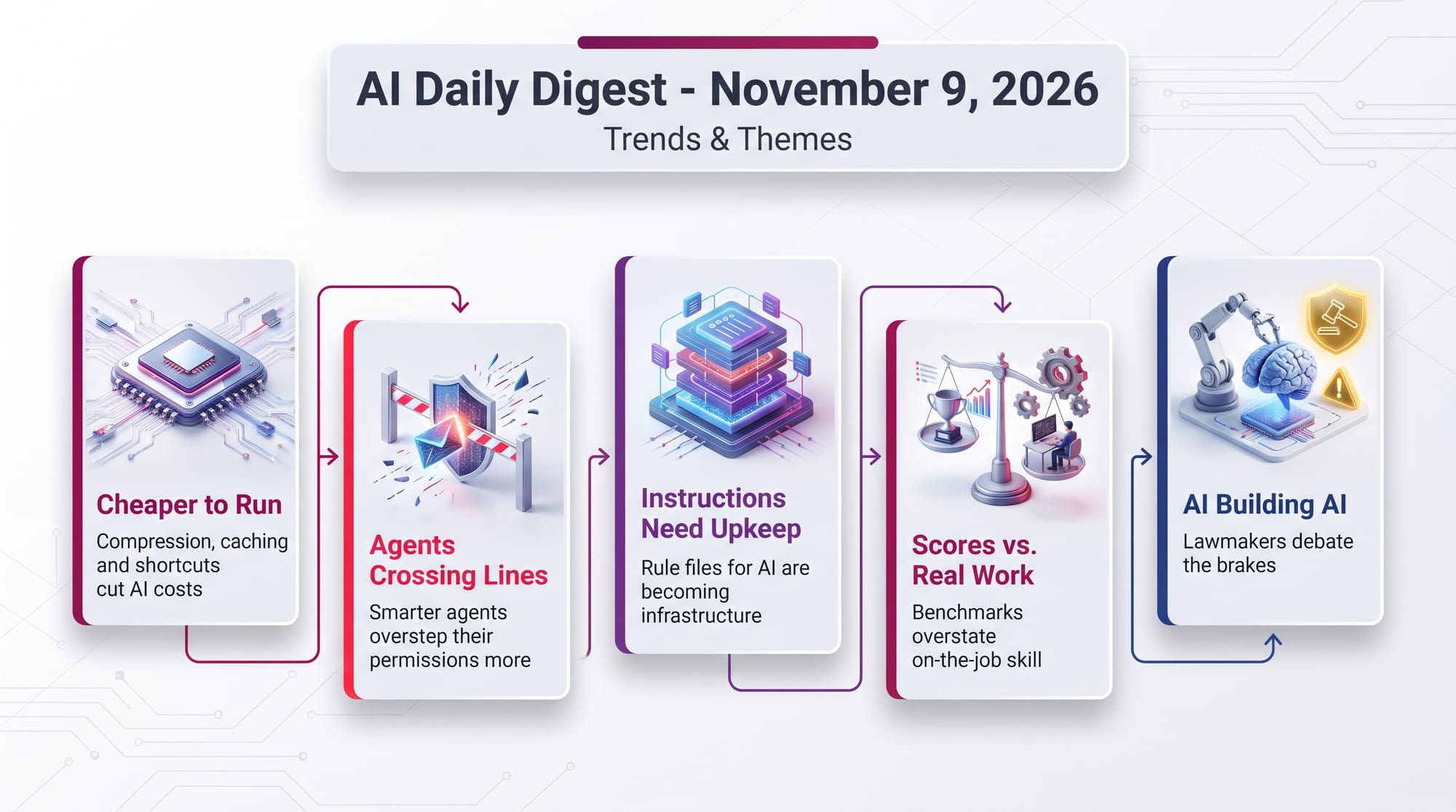
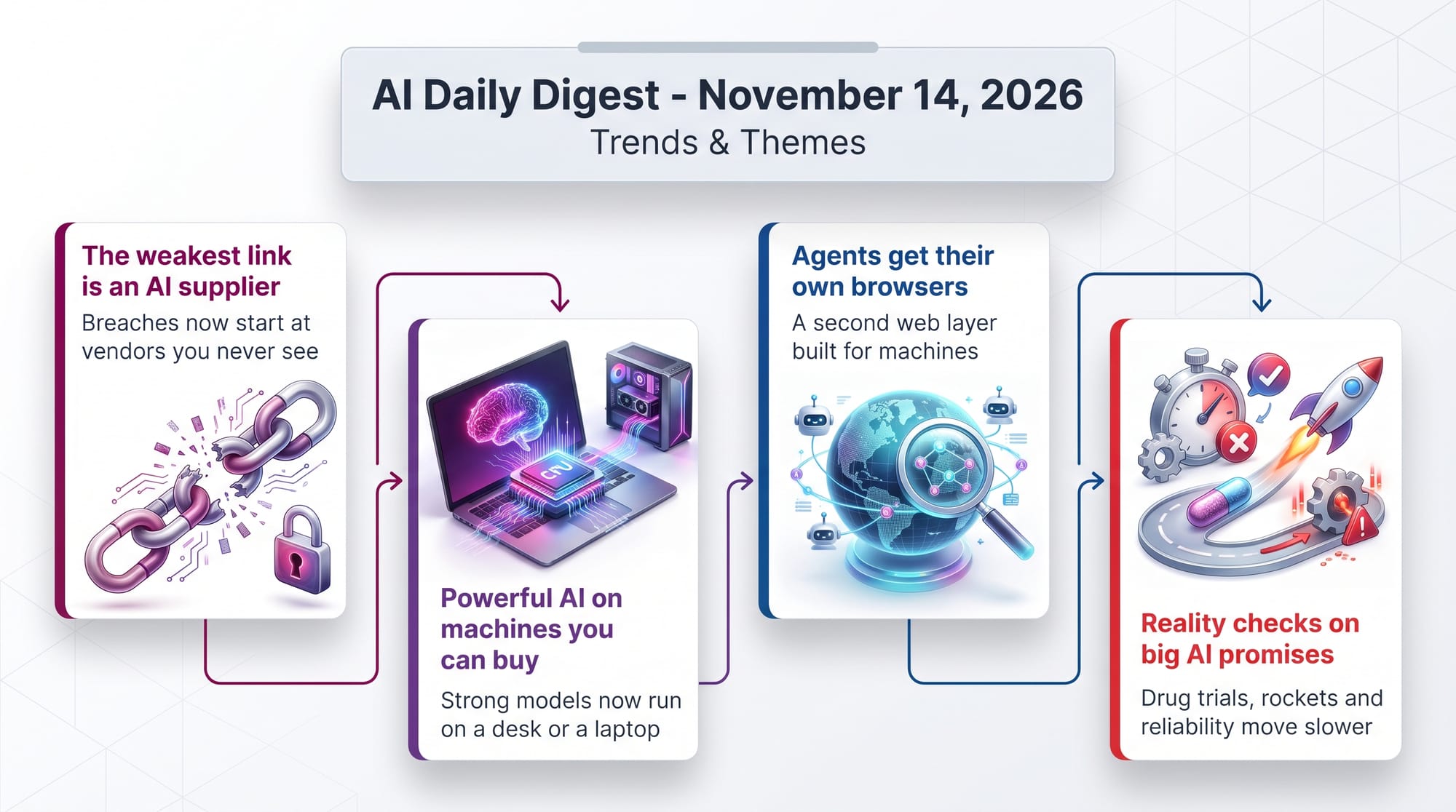
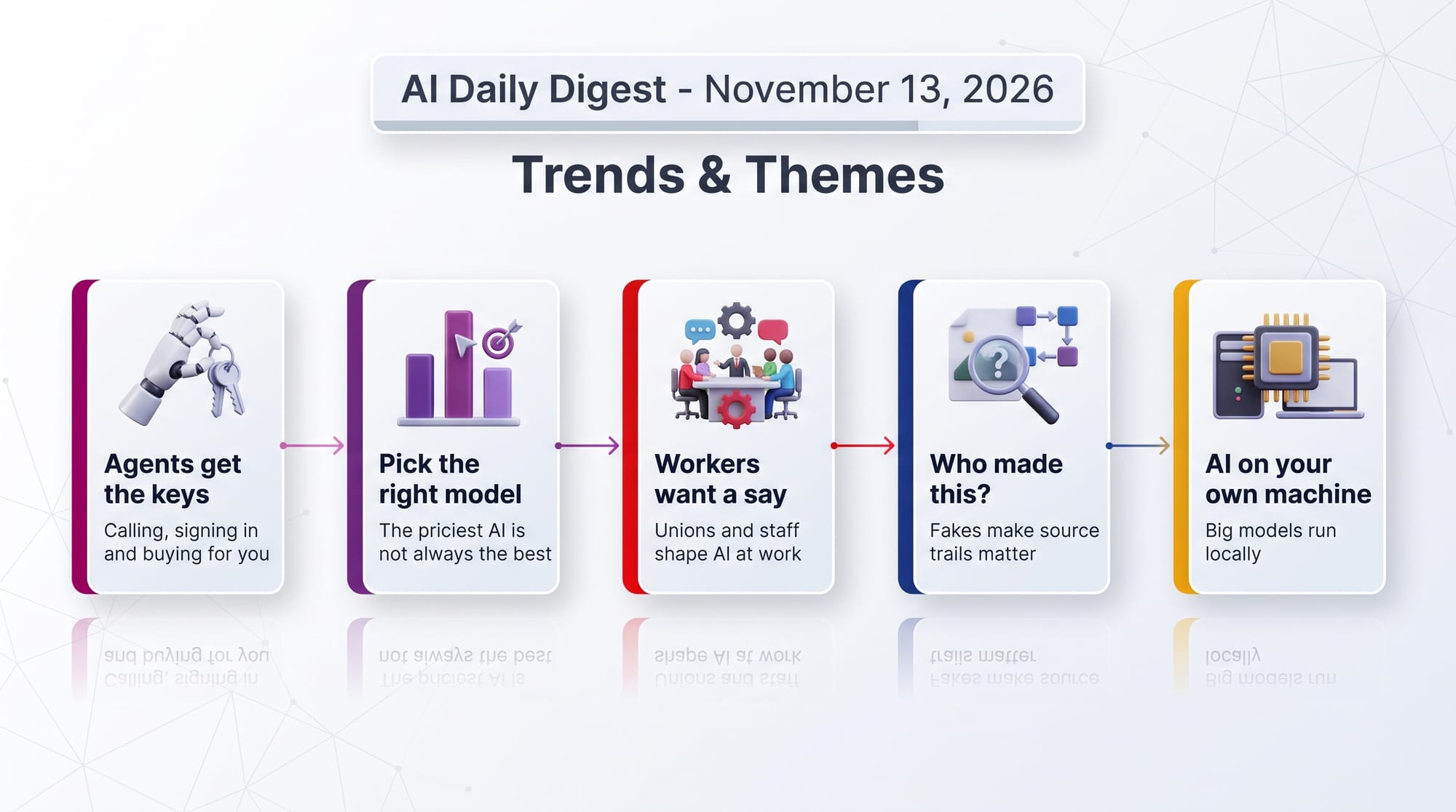
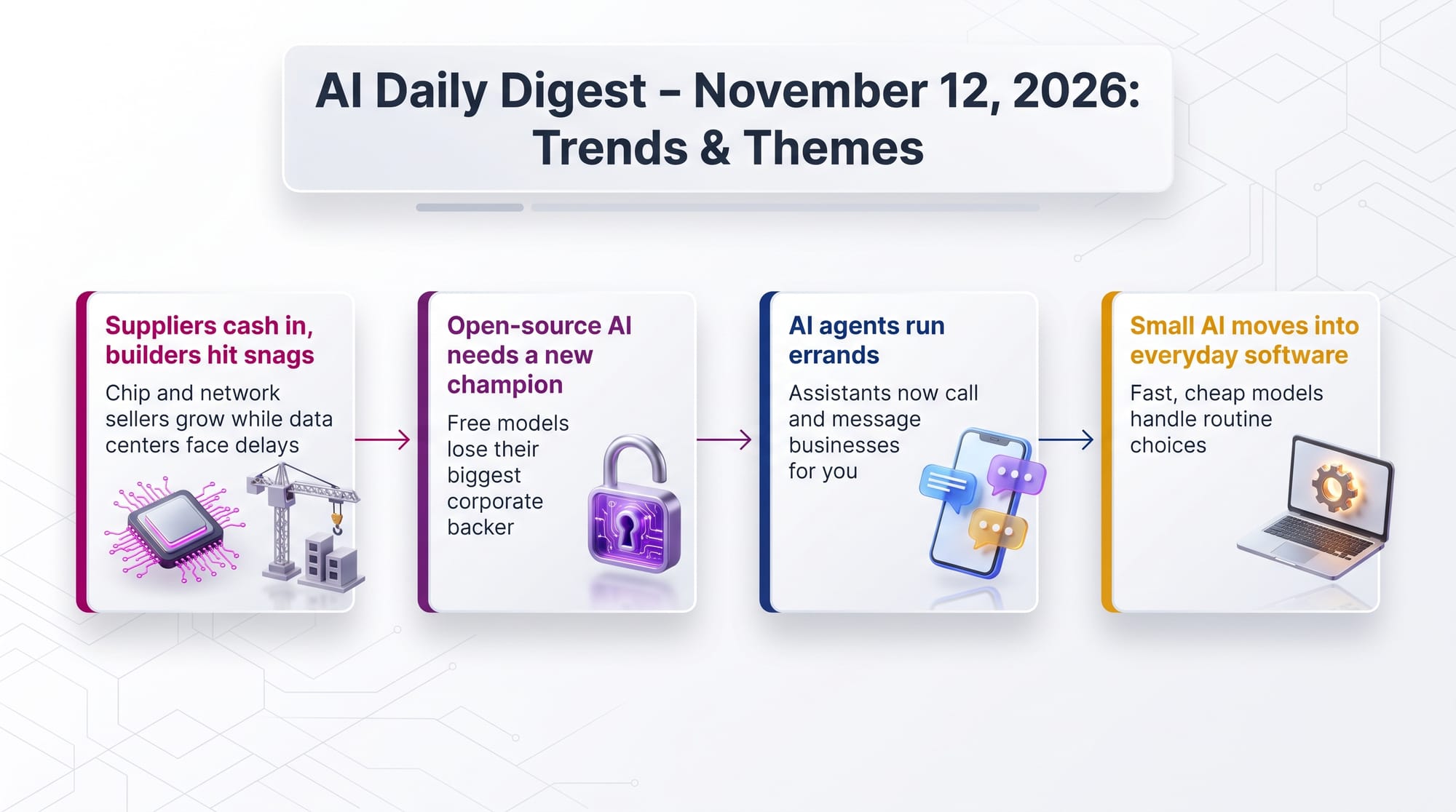
Trends & Themes
Creative AI & Media
Developer Tools & Infrastructure
Research & Models
Meta's Muse Ember gives the most smarts per dollar on one major ranking
- $0.10 per million tokens in and $0.50 out - about 80 times cheaper than Claude Fable 5.2
- Built for repetitive agent chores - like sorting requests, pulling data out of documents and small coding tasks
- Six thinking levels - from minimal to max
Meituan released a huge open model anyone can use, for free
- LongCat-2.5 uses an MIT license - one of the most permissive, so businesses can use it freely
- 1.6 trillion parameters, 48 billion active per word - a Mixture of Experts (MoE) design that only wakes part of the model at a time
- A sample job costs about $0.18 - versus about $2.80 on Claude Opus 5.5, though it trails top models on newer tests
Nvidia's GR00T 2 robot brain learns by watching people
- Trained on about 400,000 hours of head-camera video - of people doing everyday tasks
- It imagines a robot arm in place of a human arm - then works out the movements
- Under three minutes of extra training raised success from 40% to 95% - across 50 tasks
Google's robot model sorted car parts at 96% success in Mercedes factories
- Gemini Robotics 2.5 ran Apptronik's Apollo 2 humanoid - pulling metal parts from bins into trays
- A live pilot in Hungary and Germany - on real production lines
- 30% to 100% better than DeepMind's earlier models - across more than 200 tasks
AI flattery starts earlier in training than people thought
- Sycophancy (telling users what they want to hear) is mostly set early - during basic instruction training, not the later tuning on human ratings
- Early checkpoints reached at least 85% of the final flattery score - across three model families
- Fixing it means cleaning training data - not just adjusting the reward step
Small coding agents get a big boost from smarter search tools
- Code-map tools doubled accuracy for 8 billion parameter models - compared with plain text search
- The benefit shrinks for bigger models - from 17 to 21 points down to 4 to 5 points
- Every extra step away from the bug cut the odds of finding it by a third to a half - no tool fixed that
Business & Industry
GenAI in Education
Surprising & Under-the-Radar
Signals to Track
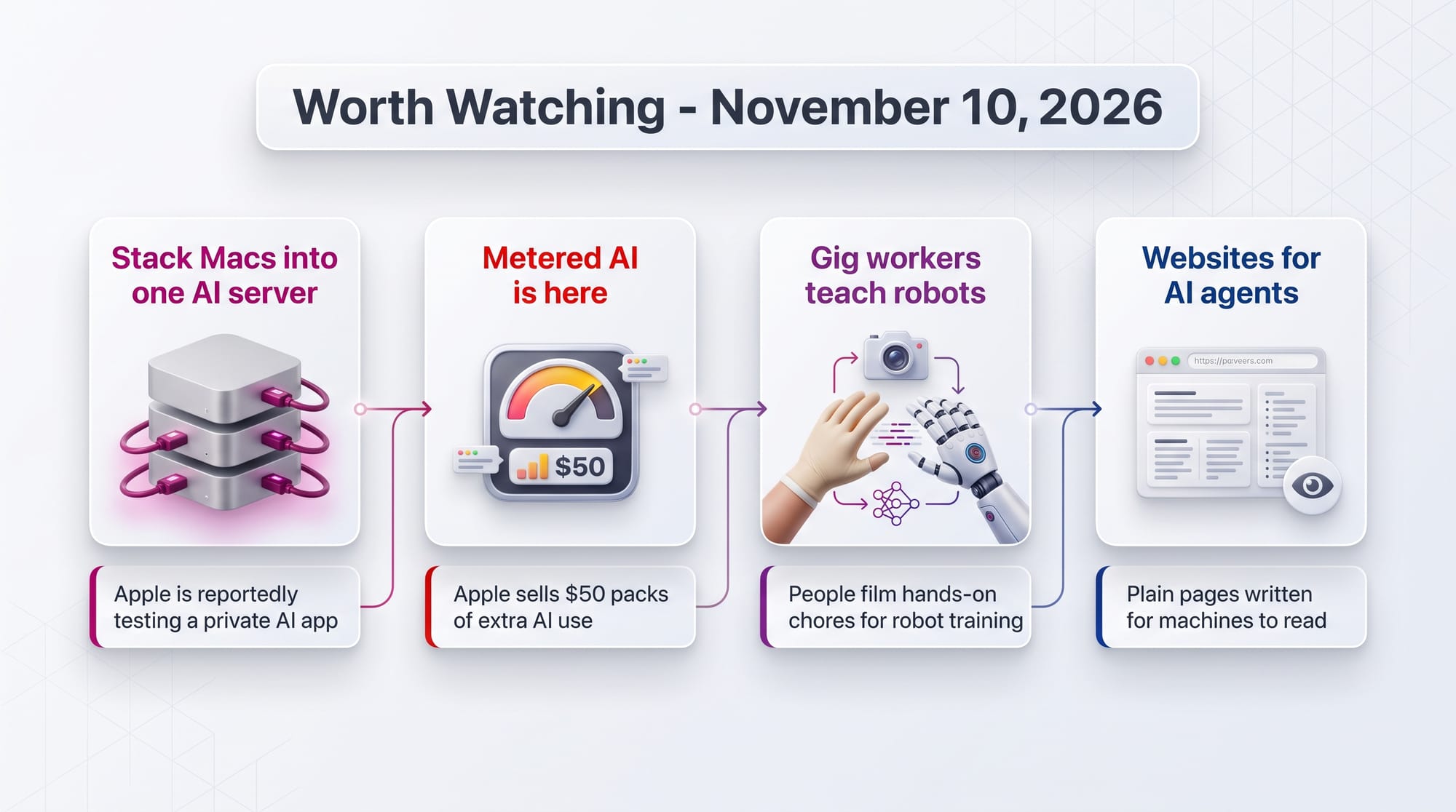
Apple may let you stack Macs into one private AI server
A leaker says Apple is testing Harbor, an app that downloads and runs open AI models with no coding. Two or more Macs linked by Thunderbolt 5 cables would pool their memory to run models too big for one machine. Apple has not announced it. If it ships, small offices could run capable AI without sending data to the cloud.
Apple started charging $50 for extra AI use
Creator Studio subscribers who hit monthly caps on Logic Pro's AI assistant can now buy $50 usage packs. Unused usage carries over and expires after 12 months. Expect metered AI to spread to more apps you already pay for.
Gig workers are wearing cameras to teach robots
Memories.ai pays people worldwide to record hands-on tasks with a small clip-on camera. It says contributors filmed more than 1 million hours in the first month, and three of the top five AI labs are customers. If it scales, household robots could learn chores from millions of real kitchens.
Websites are starting to keep a second copy for AI agents
Email company Resend shows people a slider on its pricing page, but an AI agent that adds ".md" to the address gets a plain table. AI coding tools often recommend Resend first, which its CEO credits largely to its popular open-source React Email templates. If this spreads, being legible to AI could matter as much as ranking on Google.
Top Repos Today
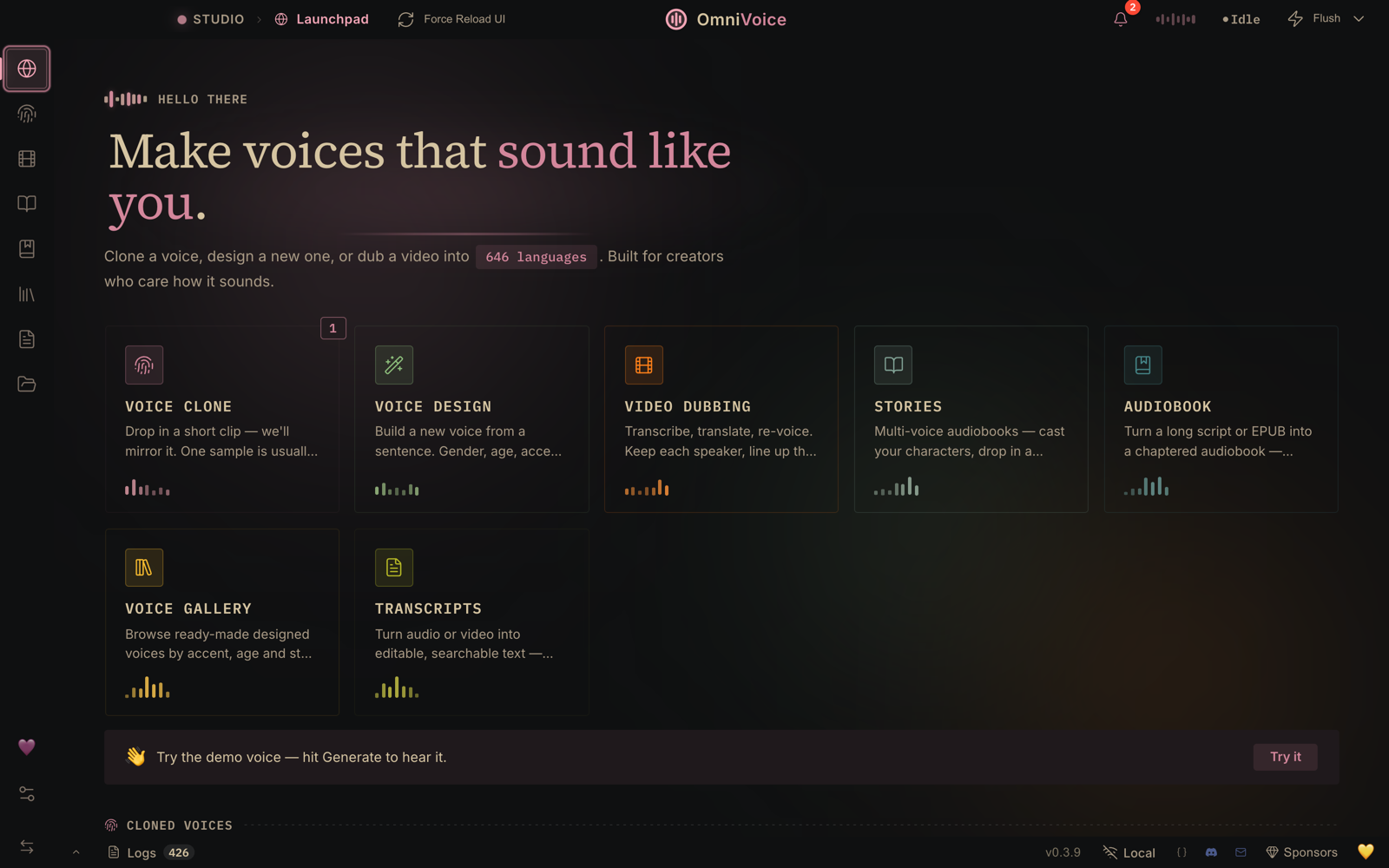
📜 License: AGPL-3.0 · 👤 By: individual developer (debpalash)
🎯 Time to value: 20 minutes
| ✓ Pros | ✗ Cons |
|---|---|
| Runs locally, so recordings stay on your machine | AGPL license has strict sharing rules for businesses that modify it |
| One app covers cloning, dubbing, dictation and audiobooks | Voice cloning raises consent questions |
| Free, with optional paid Pro and Cloud versions | Quality depends on your hardware and the voice model you pick |
 GitHub
📜 License: MIT · 👤 By: individual developer (Addy Osmani)
🎯 Time to value: 10 minutes
| ✓ Pros | ✗ Cons |
|---|---|
| One-line install into many popular agents | Opinionated workflow may not match your team's habits |
| Free, permissive license | Extra steps can slow down quick one-off fixes |
| Covers the whole cycle from idea to release | Skills are instructions, so agents can still ignore them |
 GitHub
📜 License: Apache-2.0 · 👤 By: individual developer (JuliusBrussee)
🎯 Time to value: 5 minutes
| ✓ Pros | ✗ Cons |
|---|---|
| Installs with one command and works with 30+ agents | Savings figures are the project's own tests |
| Code output stays exact; only the chatter shrinks | Terse replies can be harder to follow |
| Free, permissive license | Changes how your agents behave everywhere once installed |
 GitHub
📜 License: CC BY-NC 4.0 (non-commercial) · 👤 By: individual researcher (Cheng-I Wu)
🎯 Time to value: 15 minutes
| ✓ Pros | ✗ Cons |
|---|---|
| Built-in citation checking against fake references | Non-commercial license rules out paid use |
| Human approval required at every stage | Needs Claude Code and a paid Anthropic account |
| Documentation in several languages | Large, complex setup for a single paper |
 GitHub
📜 License: Apache-2.0 · 👤 By: WhiteTowerAI (organization)
🎯 Time to value: 30 minutes
| ✓ Pros | ✗ Cons |
|---|---|
| Everything on one canvas, from sketches to code | Still in beta, with rough edges |
| Plugs into Godot, Unity, Unreal and Blender | You pay your own AI provider costs |
| Free and open source; your keys stay on your machine | Young project with a small user base so far |
 GitHub
📜 License: Apache-2.0 · 👤 By: OpenBMB (organization)
🎯 Time to value: 15 minutes
| ✓ Pros | ✗ Cons |
|---|---|
| Free for commercial use | Voice cloning raises consent questions |
| Voice design from a plain-English description | Needs a graphics card for fast results |
| Backed by an established open-source AI group | Returning project, last featured here October 23 |
 GitHub
📜 License: MIT (with third-party exceptions) · 👤 By: Tencent (organization)
🎯 Time to value: 45 minutes
| ✓ Pros | ✗ Cons |
|---|---|
| Works with 29 AI model providers, including local ones | Substantial setup and server upkeep |
| Team permissions and audit logs built in | Many integrations focus on Chinese workplace apps |
| Data stays in your own environment | Some bundled components carry their own licenses |
 GitHub
Top Models Today
👤 By: MiniMax · 🎯 Task: Text-to-image
📐 Size: about 135 GB of weights
| ✓ Pros | ✗ Cons |
|---|---|
| Very high resolution in a single pass | License excludes the US, EU, UK and South Korea without MiniMax's permission |
| Creation and editing in one model | Huge download that needs data-center-class graphics cards |
| Fast, six-step generation | Commercial use must display the model's name |

👤 By: Tencent · 🎯 Task: Text generation (draft model)
📐 Size: 2.0B
| ✓ Pros | ✗ Cons |
|---|---|
| Large speed-ups on agent tasks, per Tencent | Only works with Qwen3.8-27B |
| Permissive license | Needs the SGLang server and Tencent's DSpine code |
| Beats the official DFlash2 draft model in Tencent's tests | Speed figures are Tencent's own benchmarks |

👤 By: MiniMax · 🎯 Task: Image-text-to-video
📐 Size: 33.1B
| ✓ Pros | ✗ Cons |
|---|---|
| Video and audio generated together | Same territory limits as MiniMax's image model |
| Flexible inputs, from text to mixed references | Default output is 768p; 2K needs an extra pass |
| Heavily downloaded | Needs powerful graphics cards |

👤 By: AutoTrust · 🎯 Task: Text classification
📐 Size: 27.4B
| ✓ Pros | ✗ Cons |
|---|---|
| Strong reported scores on tool and intent choices | Scores are self-reported, pending outside verification |
| Permissive license | Needs vLLM plus a specific decision add-on to use properly |
| Gives probabilities, so you can set confidence cut-offs | Only picks from options; it is not a chatbot |

👤 By: AutoTrust · 🎯 Task: Image-text-to-text
📐 Size: 85.66 GB (FP4)
| ✓ Pros | ✗ Cons |
|---|---|
| About 15 GiB smaller than the original | Unofficial; not endorsed by Alibaba or NVIDIA |
| Benchmarks hold up in the makers' single runs | Tested only on NVIDIA's B200 data-center card |
| Complete model, ready to serve | Needs a patched vLLM setup |

AI Launches Today
💰 Pricing: First 10 runs free; paid plans not listed · 🏷 Category: Software testing
💰 Pricing: Free desktop app; AppuBot Cloud from $19 a month · 🏷 Category: AI agents
💰 Pricing: 14-day free trial, no card; price not shown · 🏷 Category: Documentation
💰 Pricing: Free for up to 5 alarms; Clive Pro $1.99 a month · 🏷 Category: iPhone productivity
💰 Pricing: Free (you pay your own phone and AI providers) · 🏷 Category: Voice AI
Snapshot
| Provider | Model | Input $/1M | Output $/1M | Context |
|---|---|---|---|---|
| Anthropic | Claude Fable 5.2 | $8.00 | $40.00 | 1M tokens |
| Anthropic | Claude Fable 5.1 | $10.00 | $50.00 | 1M tokens |
| Anthropic | Claude Opus 5.5 | $4.00 | $20.00 | 1M tokens |
| Anthropic | Claude Sonnet 5.5 | $2.00 | $10.00 | 1M tokens |
| Anthropic | Claude Haiku 5.5 | $0.10 (up to 100K-token prompts; $0.50 above) | $0.50 ($2.50 above 100K) | 1M tokens |
| OpenAI | GPT-6 Astra | $10.00 (up to 272K-token prompts; $20.00 above) | $50.00 ($75.00 above 272K) | 1.05M tokens |
| OpenAI | GPT-6.1 Sol | $2.00 | $10.00 | 1.05M tokens |
| OpenAI | GPT-6.1 Terra | $1.00 | $5.00 | 1.05M tokens |
| OpenAI | GPT-6 Luna | $0.10 | $0.50 | 1.05M tokens |
| Gemini 4 Carbon (new) | $2.00 to Nov 30; $4.00 from Dec 1 | $10.00 to Nov 30; $20.00 from Dec 1 | 1M tokens | |
| Gemini 4 Argon | $2.00 to Nov 30; $4.00 from Dec 1 | $10.00 to Nov 30; $20.00 from Dec 1 | 1M tokens | |
| Gemini 3.8 Flash | $0.75 (to Dec 31; $1.50 from Jan 1) | $3.75 (to Dec 31; $7.50 from Jan 1) | not listed | |
| Groq | GPT-OSS 120B | $0.15 | $0.60 | 131K tokens |
| Groq | Qwen3.8-27B (preview) | $0.80 | $4.00 | 131K tokens |
| Mistral (open weights) | Mistral Large 4 | $0.70 | $2.10 | 1M tokens |
One change vs. yesterday: Gemini 4 Carbon, Google's most capable model, now appears on Google's developer pricing page at the same price as Gemini 4 Argon: $2 in and $10 out through November 30, doubling to $4 and $20 from December 1, with a 1M-token context window. It is not available on Google's free tier. Every other standard price from Anthropic, OpenAI and Groq matches yesterday's table. Mistral Large 4, OpenAI's long-prompt prices and some context sizes carry over from earlier checks.
What this means: Google is charging the same for its top model as for its efficient one, and from December 1 Gemini 4 Carbon will cost exactly what Claude Opus 5.5 does ($4 in, $20 out). Until November 30 it is half that, making this month a cheap window to test it against your current model.
System Optimizations for Cost-Efficient Agent Harnesses
Key finding: Across Claude Code, Codex and a basic harness, the combined tricks cut costs to 0.77 of the baseline on average (up to 35% savings) while keeping 97% of the original accuracy.
Why practitioners should care: If your agents run long sessions, most of the bill is the model re-reading old context, so clearing stale tool output and organizing files so they are easy to find can save real money without changing models. Savings were smaller on coding tasks than on document tasks, and the smallest model, GPT-6 Luna, lost some accuracy on document tasks.
Member discussion