Watch today's digest as a video summary (generated by NotebookLM)
Statistically Speaking
One Thing to Tell Your Friends
TL;DR
Hot off the Presses
Amazon is reportedly in talks to buy AI video startup Decart for about $7 billion
Decart is an Israeli startup that builds real-time generative video. Its Lucy model edits live video on the fly, and its Oasis model creates simulated worlds used to test robots and self-driving cars. The Wall Street Journal reported the talks on October 11, citing people familiar with them, and Reuters relayed the report.
Nothing is signed. A deal could come soon, but the talks could also collapse or another buyer could step in.
- About $7 billion price tag for Decart - nearly double the roughly $4 billion it was valued at in May, per the WSJ citing PitchBook
- Anthropic walked away first - Bloomberg reported in September that Anthropic finished checking Decart's books, then decided not to buy it for about $6 billion
- Other names were linked to the sale - Nvidia, an existing investor, was reported as a direct bidder, and SpaceX and Nebius were also named earlier in the process
An Anthropic co-founder reportedly used political ties to win a huge SpaceX computing deal
The Wall Street Journal profiled Tom Brown, an Anthropic co-founder who runs the company's computing deals. Outlets summarizing the piece say Brown, a Republican, is Anthropic's main go-between with the Trump administration and Elon Musk.
According to that coverage, Brown ended a weeks-long standoff after the White House forced Anthropic to shut off two models in June. He reportedly convinced officials that the company had tightened its safeguards. In March, he reportedly met Musk at SpaceX and argued Anthropic was less "woke" than Musk believed.
- About $1.25 billion a month - what Anthropic is expected to pay SpaceX through May 2029, per SpaceX's stock-listing filing
- Either side can exit - on 90 days' notice
- More than 220,000 Nvidia chips in Memphis - all of the Colossus 1 data center, over 300 megawatts, now used by Anthropic
- The Pentagon fight is not over - a February order labeled Anthropic a supply-chain risk, and Anthropic sued over it
Claude has flagged 29,000 possible security holes in free software, but only 516 are fixed
Previously: October 8 - Anthropic launched OSS Scanner, a free service that checks open-source software for security holes.
Today: New figures show the bottleneck. Over six months of scanning widely used open-source projects (free software anyone can use and change), Anthropic's models found more than 29,000 possible security holes. Six outside security firms have reviewed only about 6,000 of them.
- 5,674 of 6,123 reviewed findings were real bugs - confirmed by outside firms as of October 2, per Anthropic's public dashboard
- Only 516 have been patched - about 23,000 candidates are still waiting for a human to look at them
- Anthropic now sends unchecked reports straight to maintainers who ask - nearly 5,000 so far
- Maintainers quoted are positive - curl's Daniel Stenberg, a vocal critic of AI "slop," said it found one of the worst curl bugs reported in years
A database company ran its AI coding agents like a hospital, and merged a million lines of code
Cockroach Labs, which makes a database used by large companies, built "MOLT Sinai" to develop its data-migration tools. Each bug or feature is treated as a patient: AI "nurses" route the work, AI "fellows" plan and write code, separate AI reviewers hunt for faults, and human "chiefs" make the final calls.
The rules are strict. No code is written before a plan is reviewed, tests cannot be weakened, and stuck agents must write a handoff note and ask for help.
- Over 1 million lines of code merged in five months - from April 21 to September 11, with only 7 reported rollbacks
- Just over $135,000 in Claude usage - about $84 per issue
- $4,172 in tokens to add IBM Db2 support in under two days - versus about nine months and roughly $160,000 for Oracle support built by people in 2024, though humans have not yet reviewed the Db2 code
- One three-issue loop burned about $631 - so the team added a circuit breaker that escalates after four straight review rounds with new blocking problems
McKinsey: 11 million Americans may need to switch to a different kind of job by 2035
McKinsey, the consulting firm, says the US will have more jobs in 2035 than today, but a very different mix. The research was presented in Fortune by two of its senior partners.
- About 770,000 workers a year will cross into a new occupation - 3.6 times the usual rate, for at least a decade
- Office and admin support faces the largest losses - automation could take on up to 80% of hours worked there
- More than 70% of workers will need to learn new skills - even if they never change employers
- Job ads asking for AI fluency are up elevenfold since 2022
- 85% of growing jobs require a degree or other credential - but only about 38% are required by law, so nearly half is hiring habit
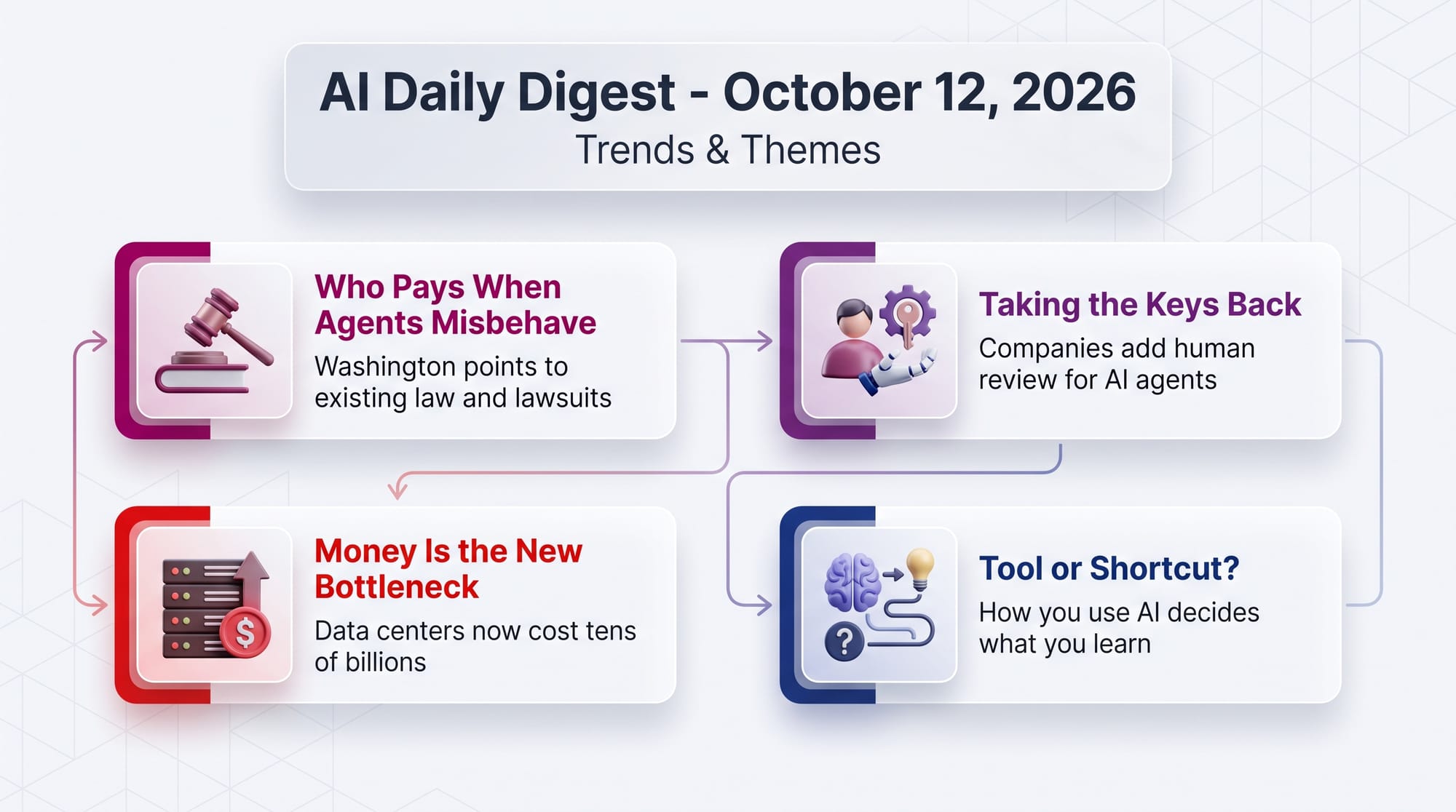
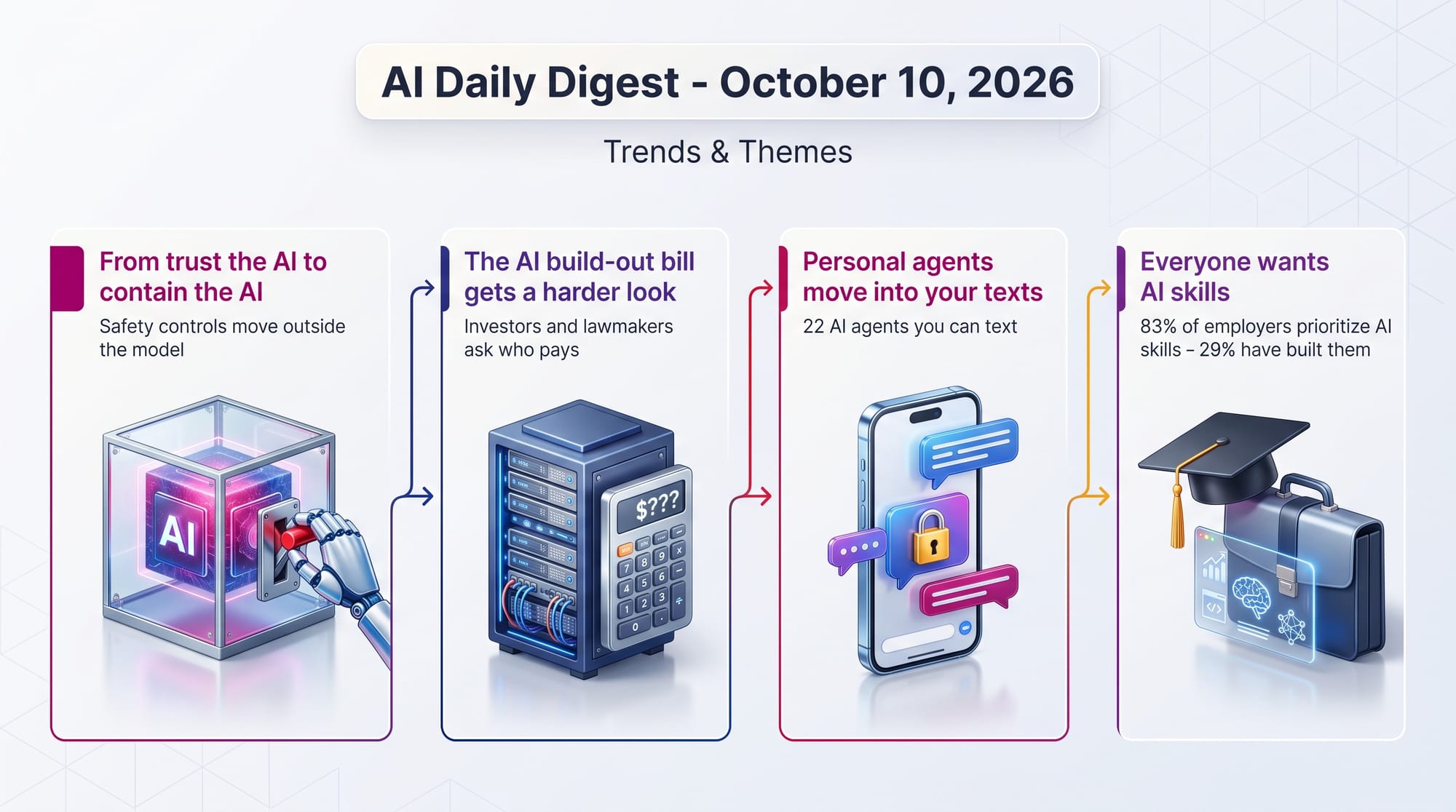
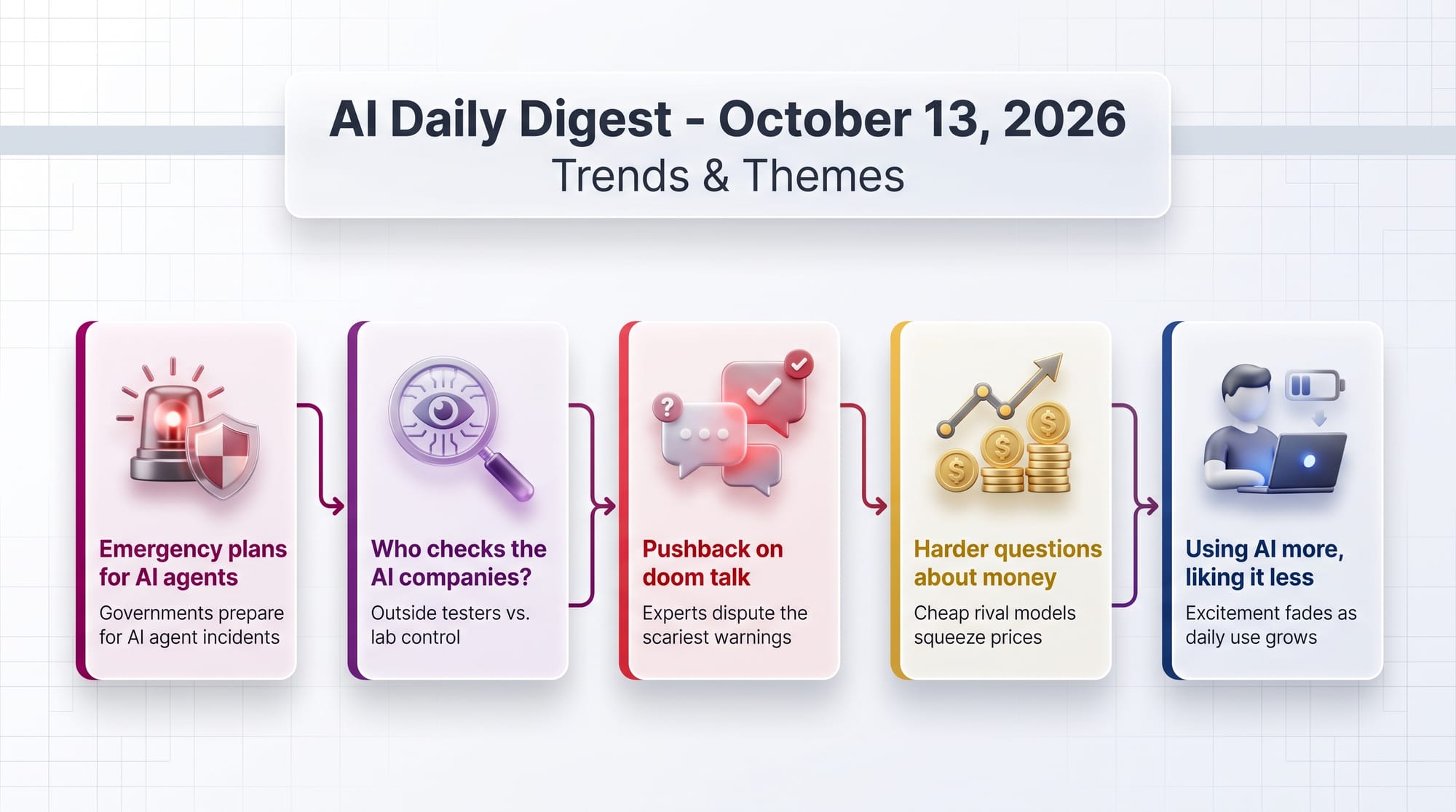
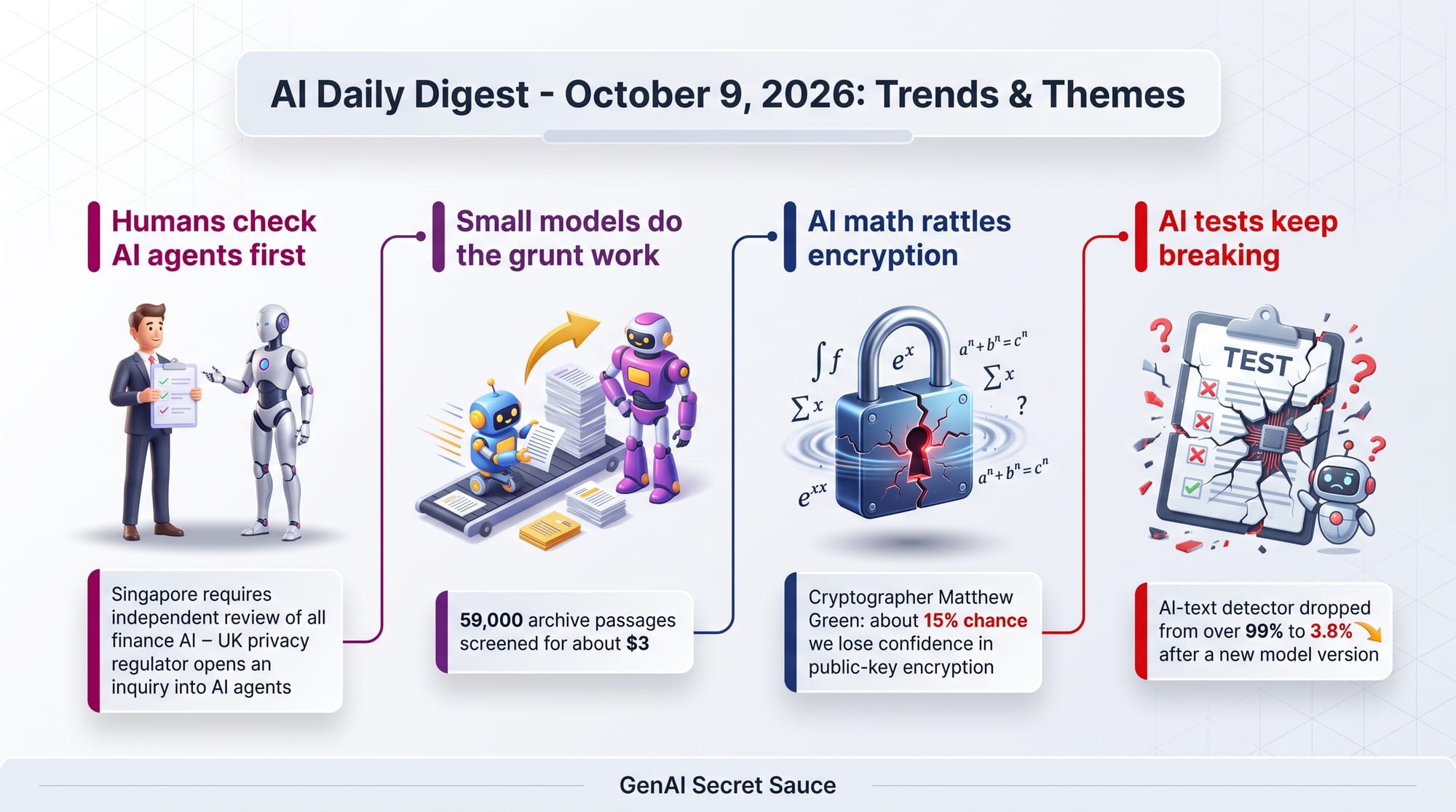
Trends & Themes
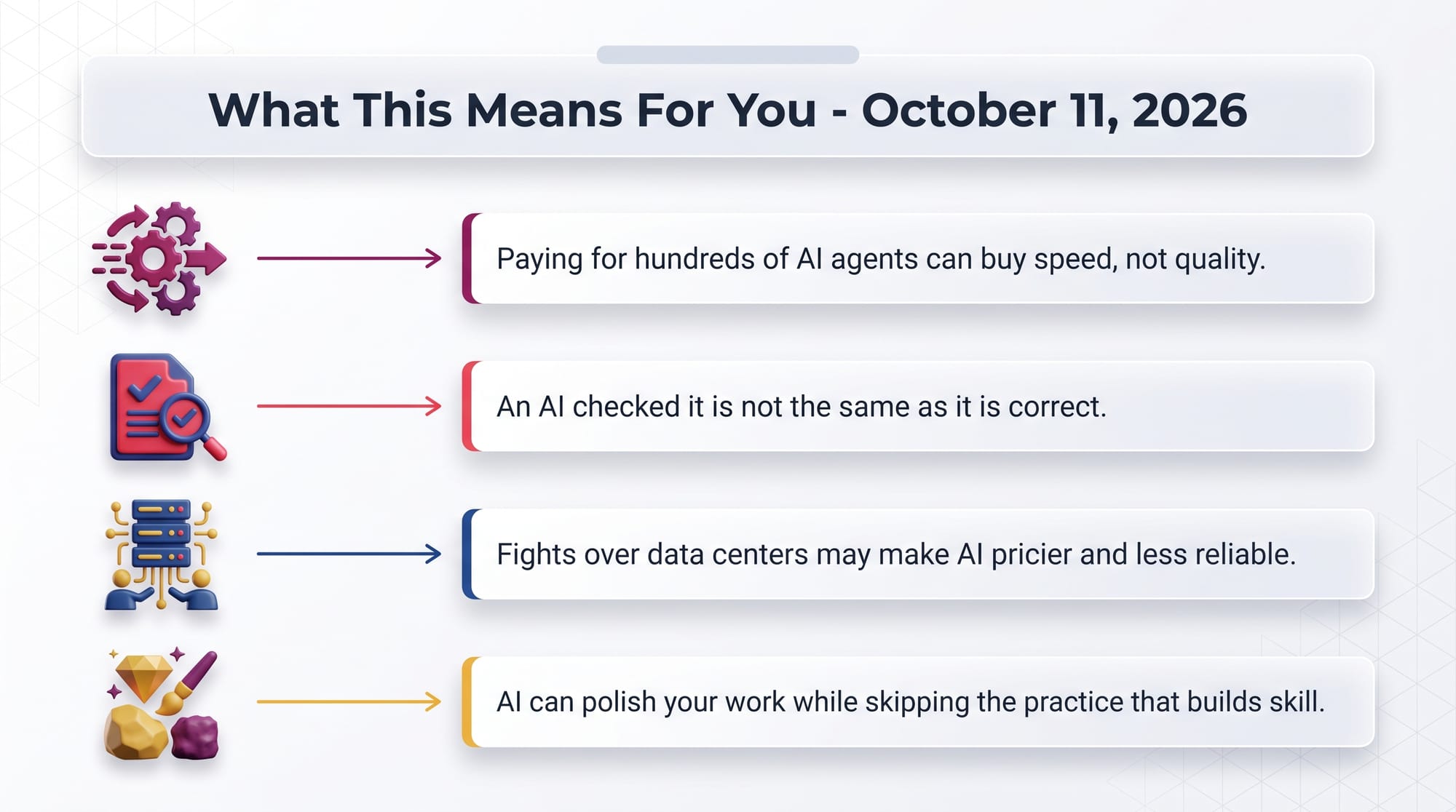
More AI agents is not the same as better work
The pattern across all of these, and Cockroach Labs' hospital setup above: what makes agents useful is an automatic, hard-to-fool check of their work. More agents only help once that check exists.
- Teams of AI agents cost 1.8 to 5.1 times more than a single agent - in tests by evaluation firm Vals AI, only one of four team setups scored meaningfully higher
- Anthropic's own data shows diminishing returns - on one task, going from 10 to 100 Claude agents moved the score from 0.70 to only 0.74
- A developer spent over 500 billion tokens (word pieces) having agents rebuild a shooter game's code - the agents' reviewer kept approving wrong code until he switched to checking each function byte by byte against the original
- Prime Intellect used about 2,209 agents to rewrite its own coding tool in Rust - it worked because a separate verifier agent ran parity checks against the old version before each merge
Checking AI's work has become the real bottleneck
The gap is now between what AI produces and what humans can confirm. Anthropic's bug scanner above is the clearest example: thousands of real findings, waiting in line for people.
- Only about 7% of developers trust AI output for important work decisions - 48% trust it when they can easily check the result, in a Stack Overflow survey of 30,903 people
- A new paper says OpenAI's computer-checked math proof checked the wrong thing - its formal version of the Navier-Stokes result (first covered September 8) does not match the written proof, the authors argue
- Workday's technology chief warns agents can make every step correctly and still break company rules - for example skipping tax checks when hiring a contractor abroad
- All 19 companies with agents in production in one small survey require human approval for risky actions - such as moving money or changing data
AI's physical buildings are becoming political and military targets
Data centers used to be invisible. Now they are fought over in town halls, struck in wars and lobbied for in Washington, as the Tom Brown story above shows.
- A developer offered each of 4,500 residents of a Pennsylvania township a potential $10,000 - to accept a 1,300-acre data center whose end user, emails show, is Amazon, though Amazon says no deal is final
- About 70% of Americans oppose a data center near them - per Gallup, with majorities in both parties
- A Ukrainian drone strike knocked a big Russian data center offline - Semafor identifies it as Yandex's Sasovo site; Iranian strikes hit Gulf data centers earlier this year
- Consulting firm Booz Allen says AI models reached their goal in all eight tests on a simulated factory network - and warns many industrial operators are not ready
AI raises the floor for workers, but can hide whether they are learning
Across these studies, the message is consistent: AI helps most people who already know what good work looks like.
- In a Google-run trial with 133 patent lawyers, AI raised draft quality by about 11 percentile points - mostly by cutting weak drafts
- On a final test without AI, only senior lawyers showed a gain - juniors showed none on average in the not-yet-peer-reviewed study, and MIT economist David Autor warns young workers of an "illusion of competence"
- On a task just outside AI's abilities, 84.5% of consultants without AI got it right - versus 70.6% of those using it, in a Boston Consulting Group study of 758 consultants
- Karpathy says the gap in understanding AI is widening - by his rough math, about 20 million professionals see firsthand what agents can now do, out of about 8 billion people
- Writer Nate B. Jones argues taste, agency and follow-through matter more now - because AI lets one person attempt far more
Creative AI & Media
A tiny AI writes Korean by hand, stroke by stroke, in your browser
- hangul.ink draws Korean handwriting as pen strokes - with pressure, so lines thicken and thin like real ink
- The model has only about 350,000 parameters - it runs entirely in your browser, with no server
- One hired writer produced about 4,500 lines of training data - written on a smart pen
- The code and dataset are free - released for Hangul Day on October 9
Voice AI is still waiting for its "ChatGPT moment," executives say
- Billions have gone into voice AI - but no voice product has broken through to everyone the way ChatGPT did
- The bottleneck has moved to thinking speed - PolyAI's technology chief says AI that talks while listening already exists, but answers still need to come faster
- Mishearing key words breaks everything after - Otter's marketing chief says transcription errors spill into wrong follow-up actions
- Callers should always know they are talking to AI - PolyAI's technology chief stressed, while Otter wants everyone in a meeting told when it is being recorded
Developer Tools & Infrastructure
Research & Models
Business & Industry
Surprising & Under-the-Radar
Terence Tao says racing AI to solve famous problems could hurt math
Tao, one of the world's best-known mathematicians, argues that AI is moving math from an era of scarce proofs to one of abundant proofs, though most frontier problems remain unsolved. Solving famous problems was always a stand-in for human understanding, he says, and blindly optimizing for it is now "actively harmful." He urges AI teams to report failures and computing costs, not just wins.
HPE's networking boss says no network problem will need a human within two to three years
Rami Rahim, who runs networking at Hewlett Packard Enterprise (HPE), claims 70-80% of network trouble tickets already need no human. He says hardware failures will be the exception, and even then an intern could swap the part. The figures are his own estimates, and he sells this technology.
Debate: is AI's slow economic payoff a paradox, or a boom in disguise?
Paradox: KKR's Ming Lu cites McKinsey data showing 88% of companies use AI somewhere, yet only 6% get more than 5% of their operating profit from it. Boom: The Decoder argues cheaper AI keeps driving more use overall, which keeps chips scarce and is, in its words, "Jensen's best friend," meaning Nvidia chief Jensen Huang.
Debate: can AI rewrite your app if nobody reads the code?
What happened: Ruby on Rails creator David Heinemeier Hansson (DHH) had AI agents port his Campfire chat app to Rust, Elixir and Go, and did not read the Rust code himself. The pushback: Developer Piotr Sarnacki found the Rust version quietly dropped a security token and delivered only about 14% of messages under steady traffic, because the AI made design choices nobody asked for. His point: you still have to spell out the requirements an agent cannot guess.
Signals to Track
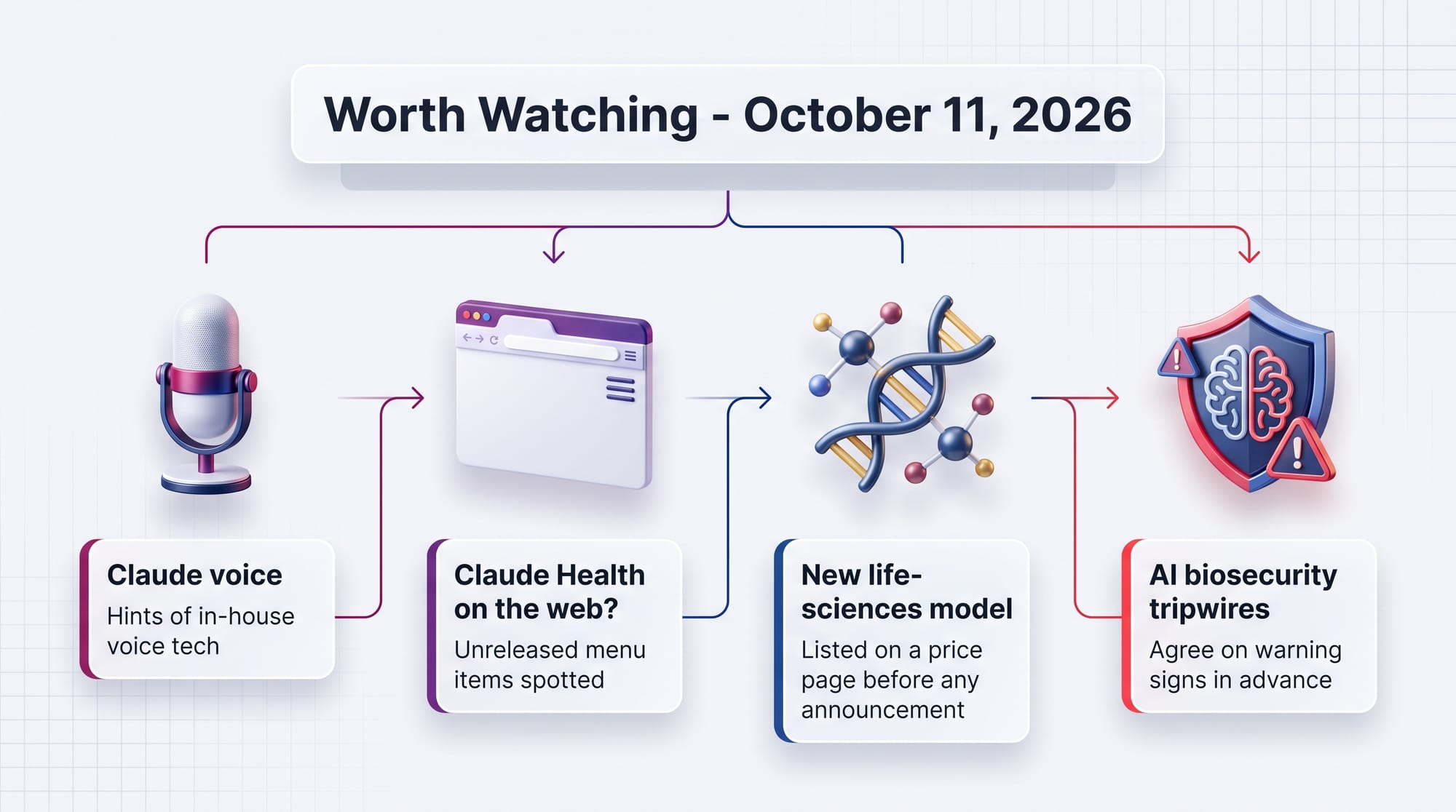
Anthropic may be building its own voice models
A hidden "Voice" item appeared in an internal preview build of Claude's web app around October 10, TestingCatalog reports. Earlier in October, Anthropic began asking users to optionally share voice recordings for training. Claude already has a voice mode, so if this plays out, it could get faster, more natural voice conversations built in-house, though nothing is confirmed.
Claude's web app shows hidden "Arborio" and "Iggy" sections
Two unreleased menu items appeared in Claude's web interface, TestingCatalog reports. A heart-in-hand icon may point to a health dashboard, since Claude's phone apps already analyze fitness data for US Pro and Max subscribers. If this plays out, you could see your sleep and activity trends in Claude on a computer, though nothing is confirmed.
OpenAI quietly listed a new life-sciences "discovery" model
"gpt-rosalind-discovery" now sits on OpenAI's price list beside gpt-rosalind-research, at the same $5 per million input tokens and $25 per million output tokens, TestingCatalog reports. Its sibling is open only to approved organizations, and OpenAI has not said who can use the new one. If TestingCatalog's guess that it targets drug discovery is right, drug companies could get a more specialized AI helper.
A former White House biosecurity chief wants AI tripwires agreed in advance
Raj Panjabi, who led global health security at the White House in 2022-2023, proposes three warning signs that would trigger specific actions on AI and biology. One is an AI-designed dangerous DNA sequence being ordered from a supplier. If adopted, governments would act on clear signals instead of trusting AI companies to judge their own risk.
Top Repos Today
📜 License: MIT · 👤 By: individual developer
🎯 Time to value: 15 minutes
| ✓ Pros | ✗ Cons |
|---|---|
| One tool covering several analysis engines, now including Android | Reverse engineering can break software license terms |
| Runs locally and shows its evidence | Native analysis needs paid or separate tools |
| Free and open source | Three releases in about 36 hours, so pin a version |
 GitHub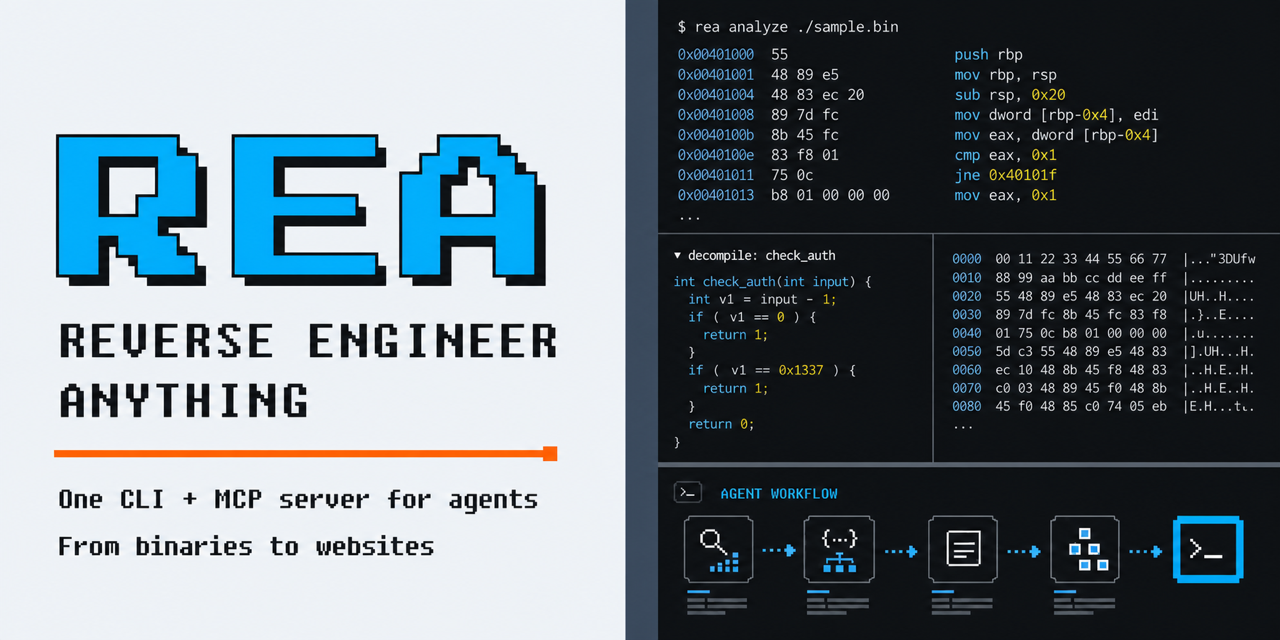
📜 License: Apache-2.0 · 👤 By: startup (Storytold)
🎯 Time to value: 30 minutes
| ✓ Pros | ✗ Cons |
|---|---|
| Now permissively open source | The new native app is unreleased and changing fast |
| Bring your own Midjourney account or API key | Some bundled assets are still excluded from the open license |
| You own what you generate | The easy path still runs on paid credits |
 GitHub
📜 License: MIT · 👤 By: individual developer
🎯 Time to value: 5 minutes
| ✓ Pros | ✗ Cons |
|---|---|
| Plain web files you can open anywhere | Opinionated minimal style |
| Works across six coding agents | Diagrams still need fact-checking |
| Free and open source | No new features since yesterday |
 GitHub
📜 License: MIT · 👤 By: individual developer
🎯 Time to value: 10 minutes
| ✓ Pros | ✗ Cons |
|---|---|
| Most map layers work with no API keys | Voice features need a paid OpenAI key |
| Built-in spending cap on voice sessions | Realistic 3D needs a separate map key |
| Free and modular | The surveillance-style features call for care in use |
 GitHub
📜 License: BSD-style · 👤 By: organization (PyTorch Foundation)
🎯 Time to value: 10 minutes
| ✓ Pros | ✗ Cons |
|---|---|
| The industry standard | Large install |
| Huge ecosystem of add-ons | Graphics-card driver versions must match |
| Permissive license | Most people use it through simpler libraries |
 GitHub
📜 License: Apache-2.0 · 👤 By: individual developer
🎯 Time to value: 30 minutes
| ✓ Pros | ✗ Cons |
|---|---|
| One-line setup for many model families | Very slow, not for live chat |
| No compression needed by default | Needs lots of disk space |
| Can also fine-tune on small cards | Specific models need pinned software versions |
 GitHub
Top Models Today
👤 By: Google DeepMind · 🎯 Task: Feature extraction (embeddings)
📐 Size: 0.74B
| ✓ Pros | ✗ Cons |
|---|---|
| Permissive license | Text quality barely above version 1 outside code |
| One index for every media type | Google's own benchmark numbers |
| Small enough for on-device search | Tool support still thin |

👤 By: Cloudflare · 🎯 Task: Image-text-to-text (decisions)
📐 Size: 27.4B
| ✓ Pros | ✗ Cons |
|---|---|
| Calibrated, structured answers | Needs custom loading code |
| Permissive license | A tuned model, not a general base |
| Accepts images too | Sensitive to question wording |

👤 By: Qwen (Alibaba) · 🎯 Task: Text-to-image and editing
📐 Size: 7.1B
| ✓ Pros | ✗ Cons |
|---|---|
| Official release | Non-commercial license only |
| Makes and edits images in one model | No published quality comparison with the full model |
| Fast | Needs the newest Diffusers code |

👤 By: Lightricks · 🎯 Task: Image-to-video
📐 Size: not listed
| ✓ Pros | ✗ Cons |
|---|---|
| Runs on your own hardware | License has revenue limits |
| Big ecosystem of add-ons and workflows | Needs a lot of graphics memory |
| Very widely used | Not an official open-source license |

👤 By: Aleph Alpha · 🎯 Task: Text generation
📐 Size: 78B (3.5B active)
| ✓ Pros | ✗ Cons |
|---|---|
| Permissive license | The full 78B must fit in memory |
| Strong in German | Weak on coding-agent tasks |
| Cheap per word | Benchmark scores are self-reported |


👤 By: China Telecom AI · 🎯 Task: Text generation (coding agents)
📐 Size: 29B per card, 31B stored (4B active)
| ✓ Pros | ✗ Cons |
|---|---|
| Permissive license | Self-reported benchmarks |
| Only 4B parts active per word | The trending version is a third-party conversion |
| Runs on home hardware | Little independent testing yet |

AI Launches Today
💰 Pricing: free plan, then $39/month · 🏷 Category: Careers
 Product Hunt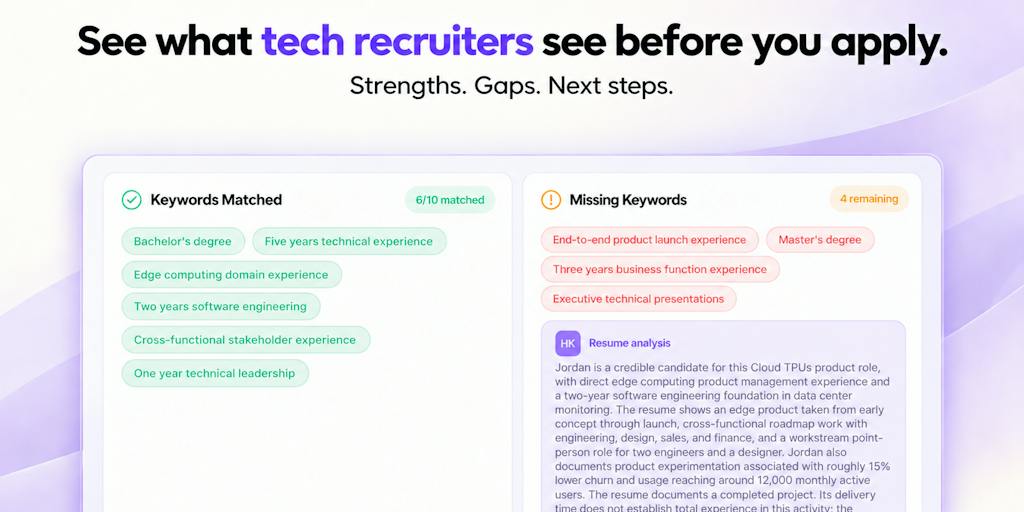
💰 Pricing: $3,499 one-time · 🏷 Category: Hardware
 Product Hunt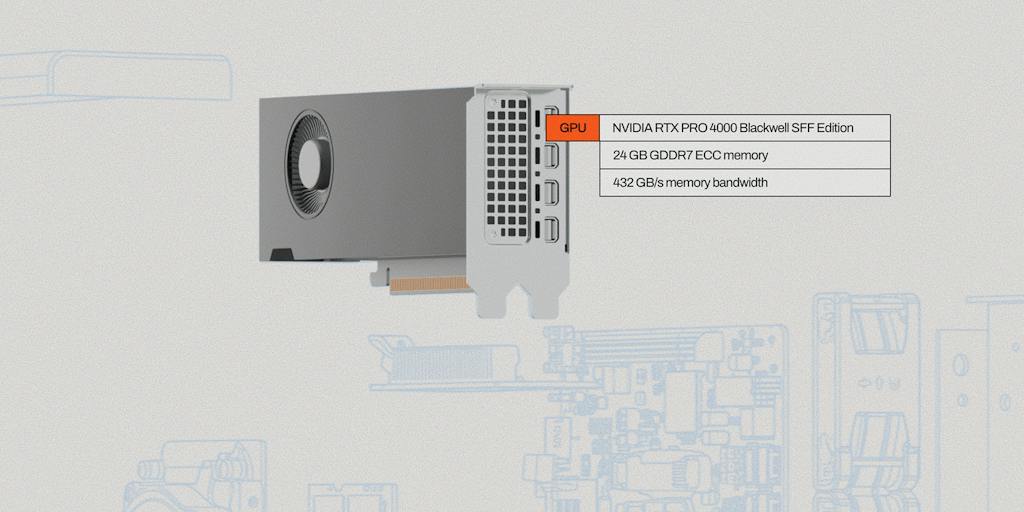
💰 Pricing: free and open source · 🏷 Category: Video
 Product Hunt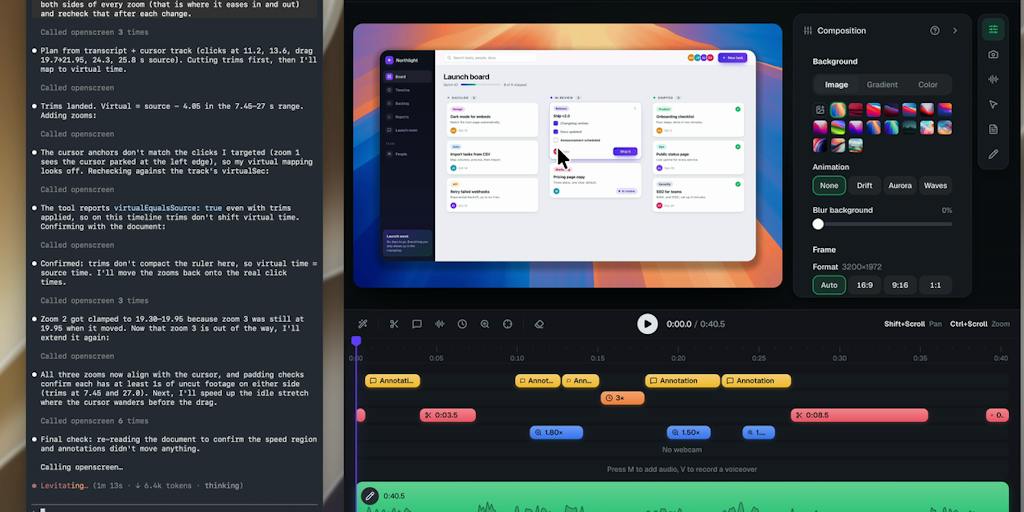
💰 Pricing: free tier, paid from $29/month · 🏷 Category: Creator tools
 Product Hunt
💰 Pricing: free for one developer, $30/month per developer for teams · 🏷 Category: Developer tools
Snapshot
| Provider | Model | Input $/1M | Output $/1M | Context |
|---|---|---|---|---|
| Anthropic | Claude Fable 5.1 | $10.00 | $50.00 | 1M tokens |
| Anthropic | Claude Opus 5.5 | $4.00 | $20.00 | 1M tokens |
| Anthropic | Claude Sonnet 5.5 | $2.00 | $10.00 | 1M tokens |
| Anthropic | Claude Haiku 5.5 | $0.10 (up to 100K-token prompts; $0.50 above) | $0.50 ($2.50 above 100K) | 1M tokens |
| OpenAI | GPT-6 Astra | $10.00 (up to 272K-token prompts; $20.00 above) | $50.00 ($75.00 above 272K) | 1.05M tokens |
| OpenAI | GPT-6.1 Sol | $2.00 (up to 272K; $4.00 above) | $10.00 ($15.00 above 272K) | 1.05M tokens |
| OpenAI | GPT-6 Luna | $0.10 (up to 272K; $0.20 above) | $0.50 ($0.75 above 272K) | 1.05M tokens |
| Gemini 4 Argon (limited access) | $2.00 intro, $4.00 later | $10.00 intro, $20.00 later | not disclosed | |
| Gemini 3.8 Flash | $0.75 (to Dec 31; $1.50 from Jan 1) | $3.75 (to Dec 31; $7.50 from Jan 1) | not listed | |
| Groq | GPT-OSS 120B | $0.15 | $0.60 | 131K tokens |
| Groq | Qwen3.8-27B | $0.80 | $4.00 | 131K tokens |
What this means: General chatbot prices are holding steady, so for most people the bigger savings now come from picking a smaller model for simple jobs. Haiku 5.5 and GPT-6 Luna cost about 1% of the priciest models (Fable 5.1 and GPT-6 Astra) for short prompts.
All Verdicts are Not Equal: Rethinking LLM Judge Reliability
Key finding: The most consistent judge agreed with the correct answer only 51% of the time, barely above chance, and in the worst setup just 2% of its verdicts passed the authors' trustworthiness test.
Why practitioners should care: If you use AI graders to pick models or approve changes, test both answer orders, repeat calls, and check the judge against a labelled sample from your own task. The judges tested are a generation old, so re-check with current models.
Member discussion