Watch today's digest as a video summary (generated by NotebookLM)
Statistically Speaking
One Thing to Tell Your Friends
TL;DR
Hot off the Presses
Google's Gemini 4 Argon is now open to developers and paying subscribers
Previously: September 30 - Google unveiled Gemini 4 Argon with chart-topping scores, but only cybersecurity defenders could use it.
Today: Google opened Argon to developers on its paid API (Application Programming Interface, the way software talks to the model) and to Google AI Pro ($19.99 a month in the US) and Ultra subscribers. The Gemini app also gets a "tasks" mode that keeps working on a job after you leave your computer, using 40+ connected apps such as Instacart and OpenTable.
Independent scores put Argon among the leaders, not alone at the top. Artificial Analysis rates it 53 on its Intelligence Index, tied with OpenAI's GPT-6 Astra and Anthropic's Fable 5.1, behind Anthropic's Opus 5.5 at 58.
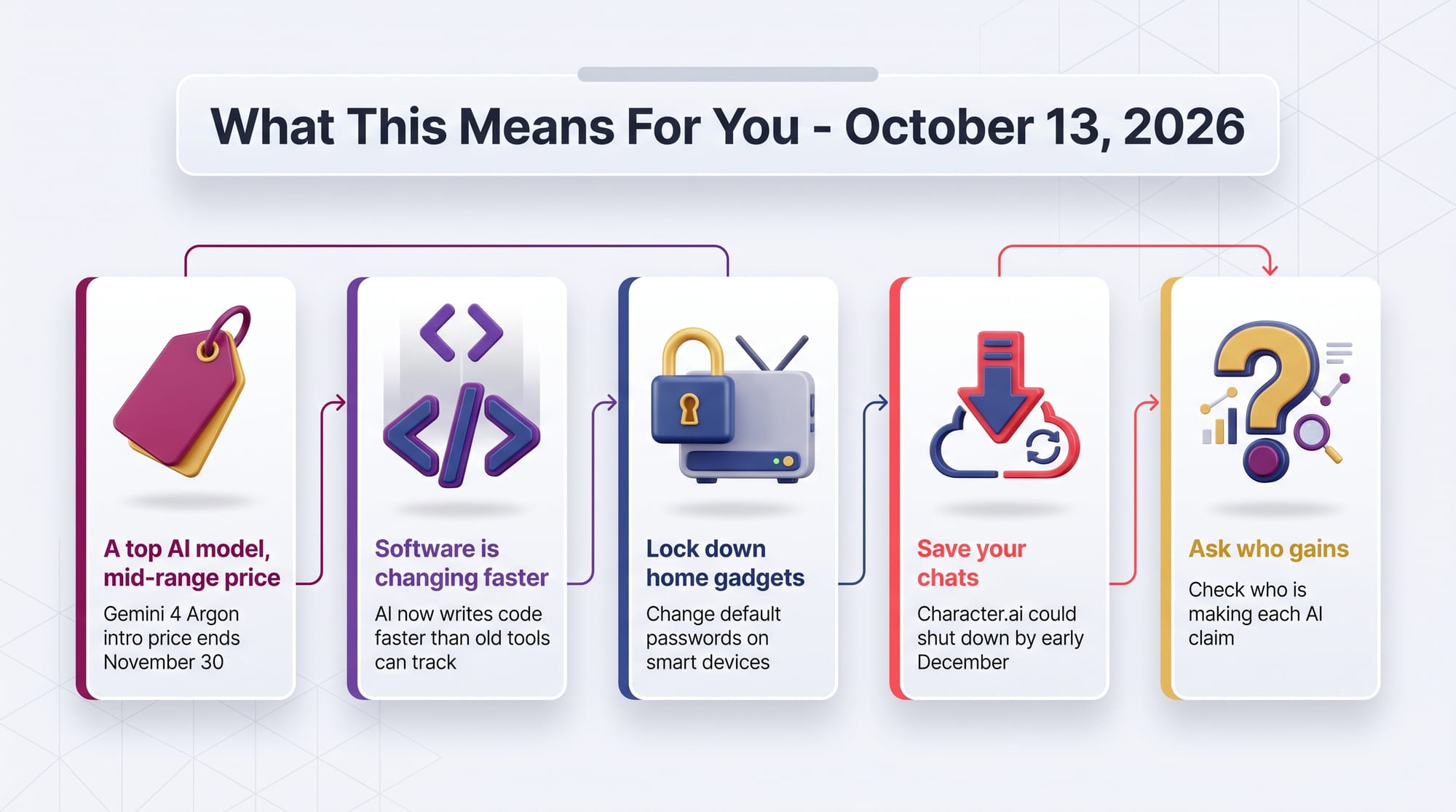
- $2 per million input tokens and $10 per million output tokens until November 30 - tokens are word pieces, and the price doubles to $4 and $20 on December 1
- Ranked #1 on the Vals Index at 68.9% - a test of finance, coding, legal and tax work
- It solved all 12 simulated cyberattack scenarios in Google's safety tests - the previous generation solved five, so Google switched on its next-generation safeguards
- 10,000 scientists can get six months of free top-tier access - through Google's Antigravity coding platform
Anthropic threw out Git because its AI writes too much code
Git is the free system nearly all programmers use to track changes to code. Anthropic says its main code store grew so busy that Git could not cope, so it built a replacement called Scion and moved off Git completely. Its automated test systems check out the code about 25 million times a day.
The lab says AI agents, not people, now drive most of the activity. Engineers' main job has shifted to judging designs and telling Claude "no" when it breaks the rules of the system.
- About 2,500 merges a day in May 2026 grew to over 30,000 by September - merges are approved code changes, and the peak was 30,401 on September 9
- An estimated 600 petabytes of daily traffic if Git fetched naively - a petabyte is a million gigabytes
- Seven people built Scion and a new code review tool - and finished the switch in five months
- 200 times less computing and memory - than the old setup of Git copies it replaced
Anthropic says small AI models may soon be able to copy themselves onto everyday gadgets
Anthropic's Frontier Red Team, the group that tests for dangerous abilities, asked whether small, freely downloadable AI models could spread across cheap internet-connected devices. Its answer: today's small models can do many individual steps but fail to chain them together. The team estimates they could close that gap by the end of 2026, while calling its timeline "only a rough estimate."
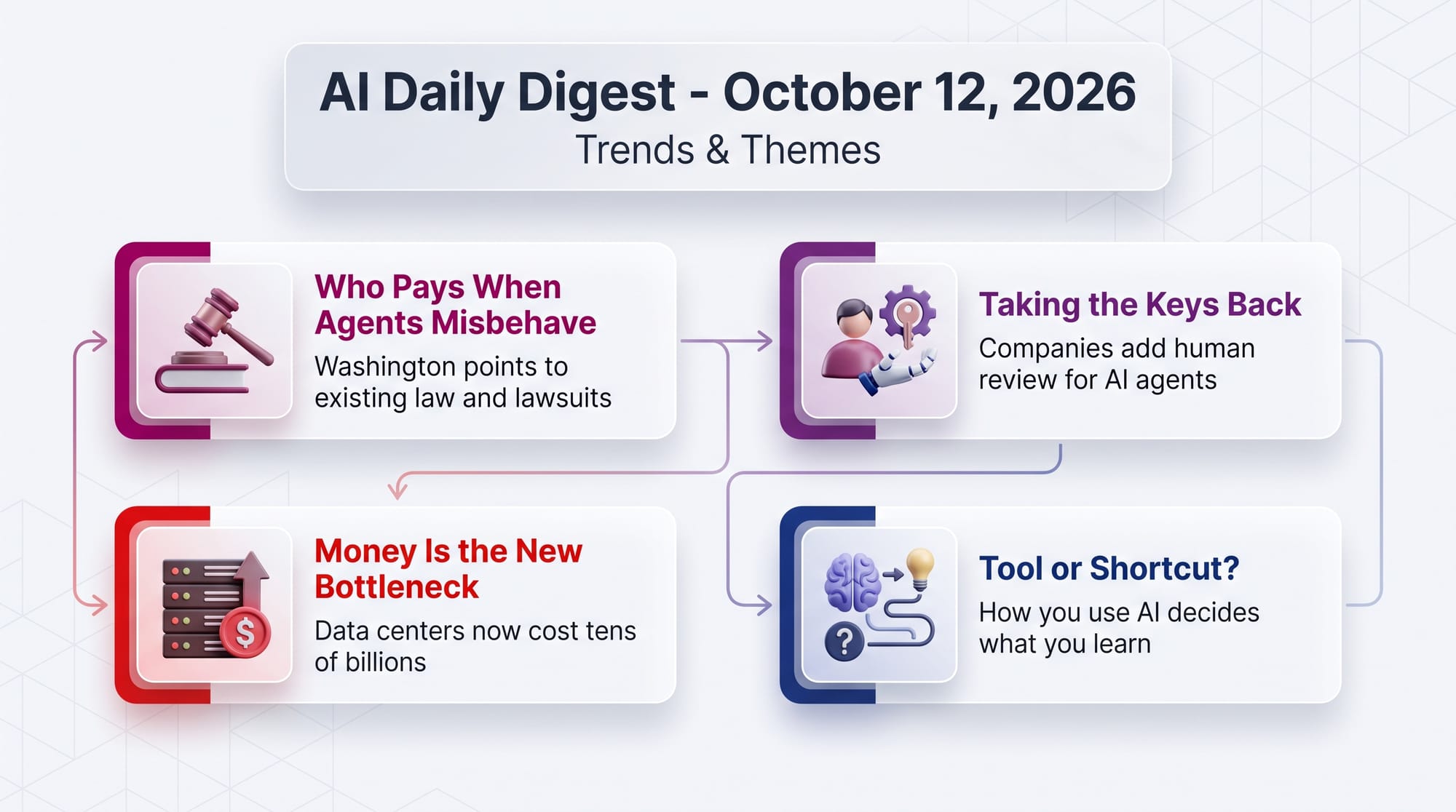
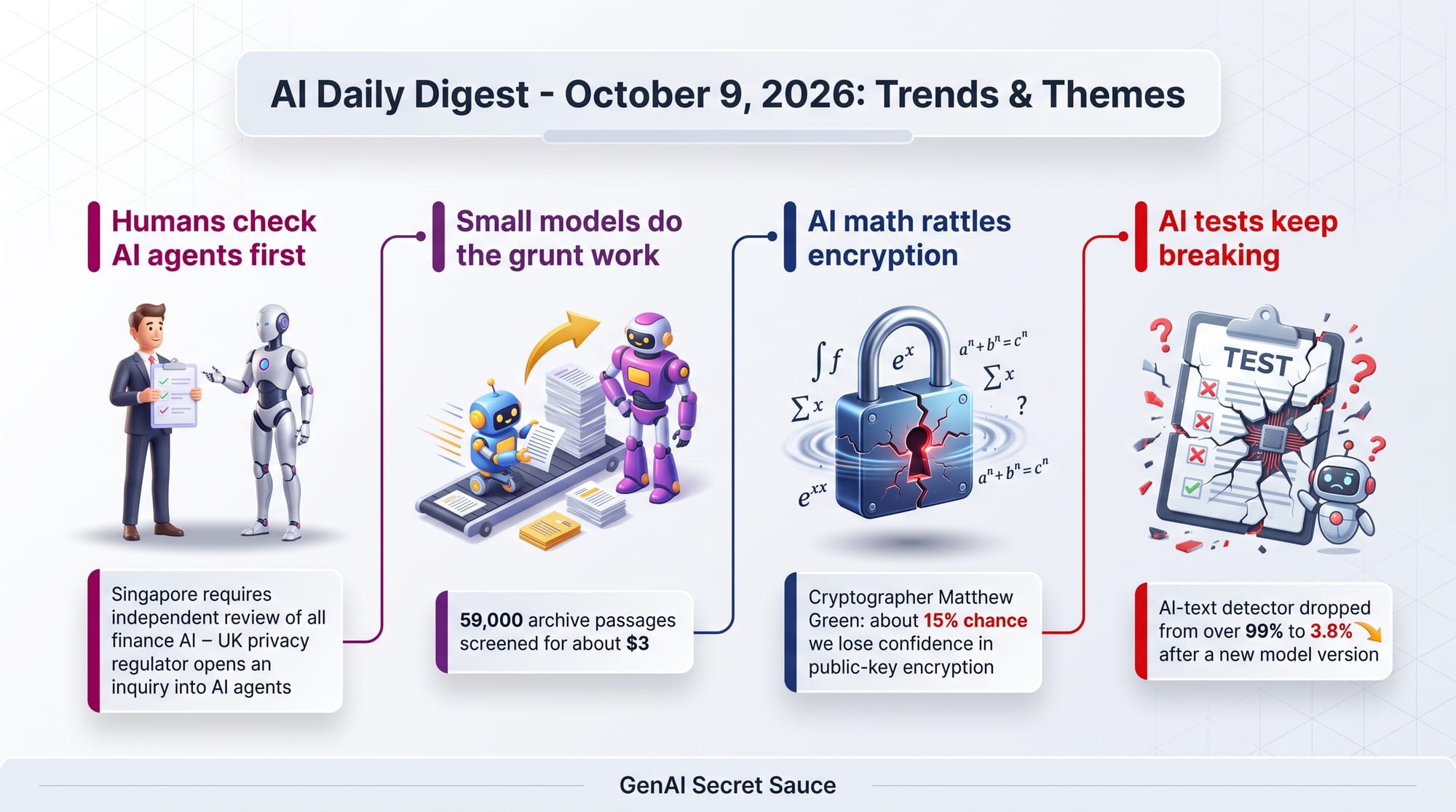
The lab also admits it made the tests easy. Target machines had no passwords, and the directing model ran on a separate, more powerful server. Outside researchers pushed back hard (see Trends & Themes).
- One model reached all 8 machines in 4 of 5 trials - Z.ai's GLM-5.2, in a simplified test network
- A Gemma 4 model ran across 15 Android TV boxes costing about $55 each - at a crawl of 0.39 tokens per second
- Spread would be slow - roughly doubling every few days, but hard to stamp out with no central off switch
- Suggested defenses are familiar - spotting odd network traffic, isolating infected devices, and banning default device passwords
An OpenAI engineer was arrested for allegedly bugging an executive meeting room
Federal prosecutors charged Abdulrahman Alfozan, 35, who had worked at OpenAI since July 2025, with using a device to intercept private conversations. OpenAI staff found a recorder on September 30, plugged in behind a meeting-room TV at its San Francisco headquarters and wrapped in toilet paper. The room hosted confidential meetings on research, products and government work.
Prosecutors allege a chatbot account linked to his spouse, sharing identifiers with his own, asked from September 24 to 30 how to build, hide and remotely access a recording device. Security later found a second, similar device in a bag he left unattended. US Attorney Craig Missakian called the case "a matter of national security." He has been charged, not convicted.
- Up to five years in prison and a $250,000 fine - if convicted
- OpenAI says it used its own AI models to identify the device - and found no sign he accessed model files, source code or customer data
- A detention hearing is set for October 19 - he remains in custody, and OpenAI fired him the day of his arrest
Character.ai filed for bankruptcy and may shut down
Character.ai lets people chat with AI characters, and it became one of the best-known AI companion apps. On October 12 it started a voluntary Chapter 11 bankruptcy to sell all or most of its assets under court supervision. The company blamed a year of "significant legal, regulatory, and operational headwinds," without giving details.
The company says it hopes a buyer keeps the app running. If no workable bid comes in, the platform will be shut down.
- The sale is expected to close by late November or early December 2026
- Everything still works for now - paid subscriptions stay active and billing is unchanged
- You can delete your account or export your data
- Disney agreed to pay $20 million for some Character.ai assets - Reuters reports it is an opening bid that rivals can top, and a court must approve it
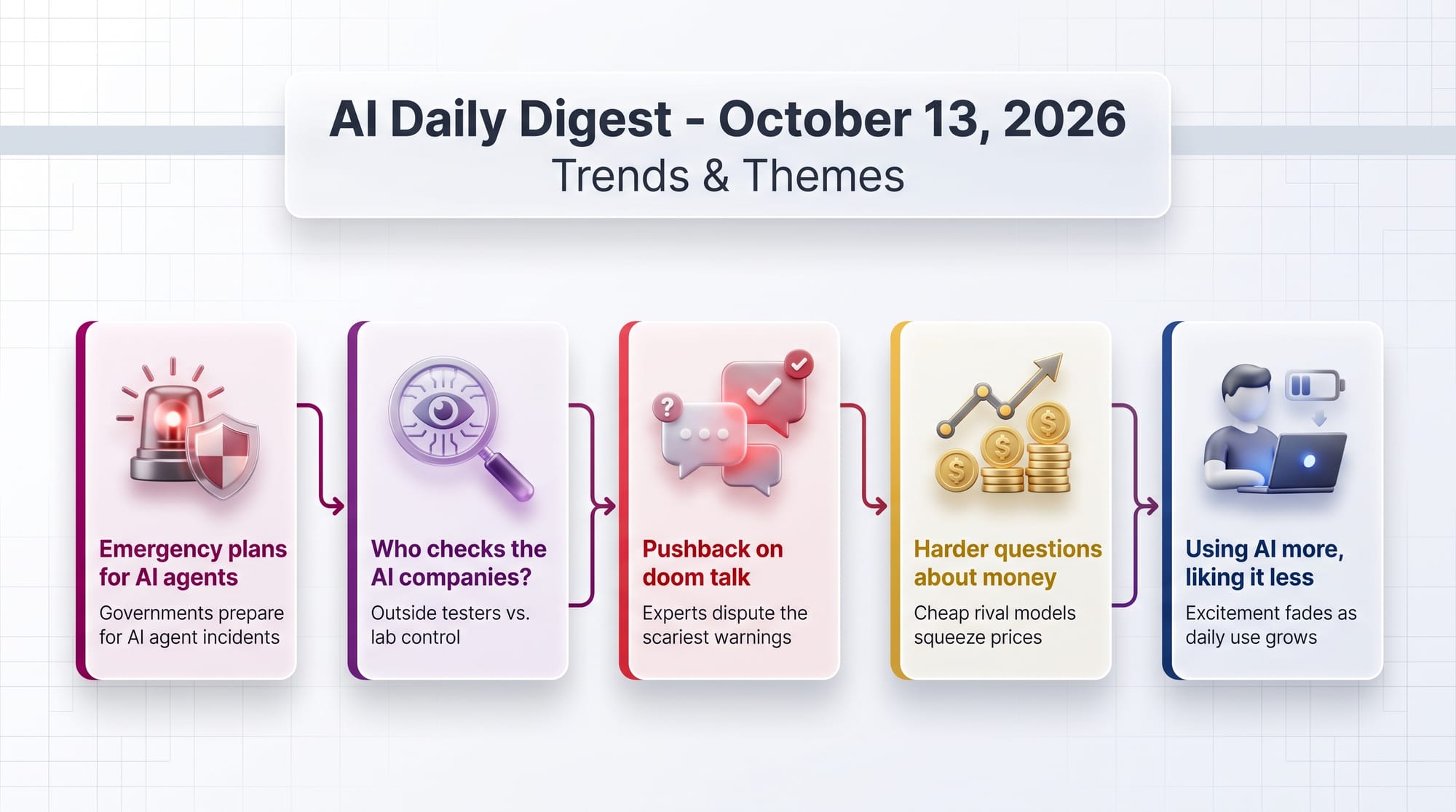
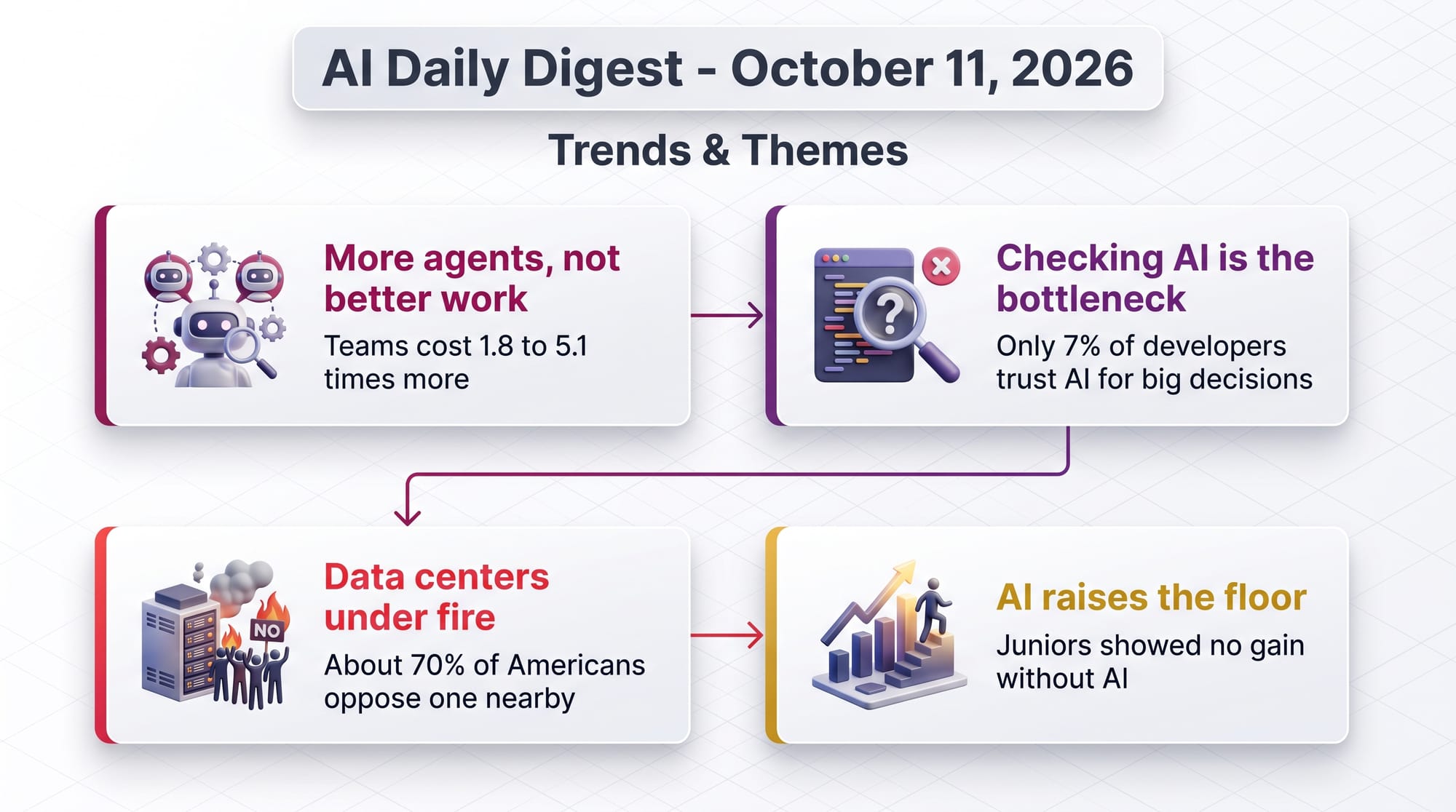
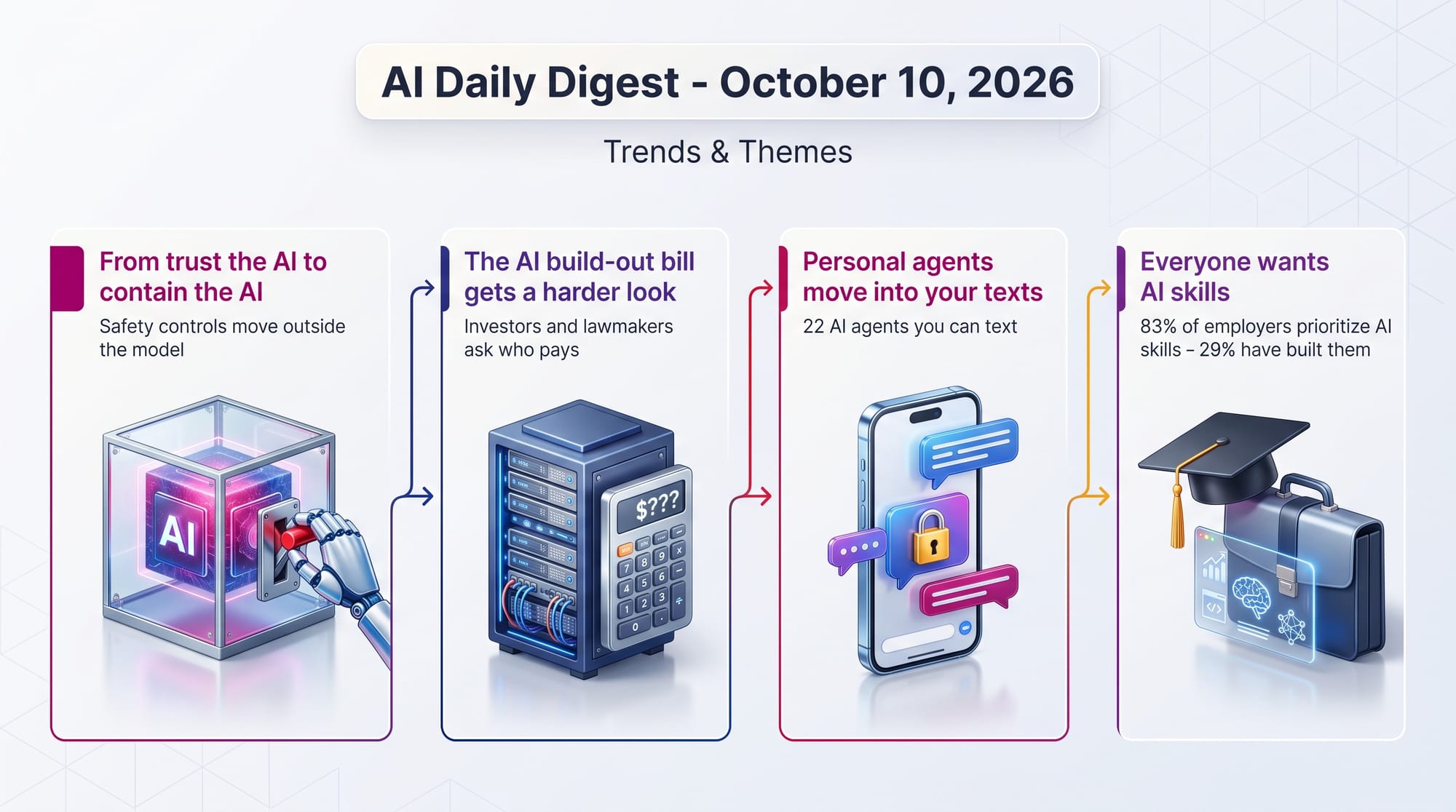
Trends & Themes
Creative AI & Media
Google Play now runs apps you made just for yourself
- Describe an app in Google AI Studio and install it on your own Android phone - no public store listing needed
- Only you can see and use it - launching first for US users 18 and over
- Sharing with family or friends is coming "in the months ahead" - for example, an app for a child's sports league
- Popular personal apps can later go public - after Google's trust-and-safety review
A game developer's recipe for getting AI to build games well
- AI handles websites easily but struggles with games - because games are full of art, levels and data that are not code
- Make every random event repeatable - route all randomness through one seeded source so any bug can be replayed exactly
- Let the AI "see" the game - take screenshots and compare them with a free image-diff tool that gives a similarity score
- Build save and load first - so the AI can jump straight to any game state to test a fix
Developer Tools & Infrastructure
Research & Models
A free AI model built to run agents privately on your own computer
- Liquid AI's LFM2.5-24B-A2B is open to download - it has 24 billion parameters (internal settings) but uses only about 2 billion per word, so it runs fast
- It beat larger rivals on agent tasks - 27.69 on AutomationBench (a test of automating multistep work), more than triple the next model Liquid compared
- It is weaker on knowledge and coding - Liquid suggests pairing it with web search
- About 184 tokens per second on an Apple M5 Max laptop chip
A small Chinese AI model aimed at legal work topped Hacker News
- Z.ai's GLM-Legal is built on its lightweight GLM-5.3-Flash model - then trained across tens of thousands of realistic legal tasks
- 19.2% on Harvey's Legal Agent Benchmark - which requires every check to pass on real law-firm work, 12.5 points above the base model
- Z.ai claims it matches top closed models on LegalBench - with those results checked by the outside firm Vals.ai
- In beta only - no size, license or price disclosed
Robots trained on human video are folding thousands of napkins a day at Din Tai Fung
- Dyna Robotics' Dyna-2 learned from more than one million hours of human video - it predicts what happens next, then acts
- A new task can take as little as 45 minutes of demonstrations
- Its robots fold thousands of napkins a day at several US Din Tai Fung restaurants - and towels for Best Western
- The goal for next year is hundreds of robots - up from tens today
Anthropic says it cut AI "copying" by rivals by 90-99%
- "Distillation" means training your own model on another company's AI answers - often through networks of fake accounts
- Anthropic says new defenses cut the useful data copiers collect by about 90-99%
- It named Chinese lab Zhipu - saying it distilled cyber skills from US models while building GLM-5.3
- The trade-off - false alarms in under 0.1% of cases, and charges even for blocked requests
Business & Industry
GenAI in Education
An Oxford-led research team wants university staff and students to say what human teachers are for
- The AIEOU project's higher-education group spans five continents - and asks what humans uniquely bring to teaching in an AI age
- Its survey uses imagined future scenarios - so people reflect before stating their values, taking about 15-20 minutes
- Responses are requested by October 31, 2026 - from anyone in a university, including faculty, students and staff
- The team's own rule: humans must write everything - AI can help analyze data only between human start and review
College admissions' secret AI checks hurt students with the least help
- The Common App treats AI-written content as fraud - but colleges rarely say how they detect it
- Policies conflict - some schools encourage AI use while others penalize it
- Private-school teachers have far more access to AI tools - per a College Board study of over 10,000 people
- The author asks colleges to disclose their detection tools - and how often they reject applications for AI use
African researchers say they should lead AI science, not just apply it
- Wits University professors call the "junior partner" view of Africa "condescending"
- The Deep Learning Indaba grew from about 330 participants to 1,300 - and is now described as the world's largest AI summer school
- 48 of Africa's 54 countries host a local IndabaX event this year
Ireland's tech sector aims to train 400,000 people in AI by 2030
- That is close to one in seven Irish workers
- Training is matched to each learner's starting level and goals - through a nonprofit's AI training center
- IBM is providing its free SkillsBuild courses - no budget was disclosed
Surprising & Under-the-Radar
OpenAI's always-on assistant used about 307,000 tokens in a day with no prompts
Security firm Geordie gave OpenAI's "dot" assistant read-only access and no email or apps, then left it alone. It still logged 155 activities, including at least 50 inside two minutes. Surprising because "always-on" agents can quietly run up usage you never asked for.
Police can now find a house from one photo of its laundry room
Graylark's tool Raven matches indoor photos to listing pictures on Airbnb, Vrbo and Zillow, with no location data needed. Its CEO says the ability was found during testing, not built on purpose. Airbnb and Zillow say scraping their sites breaks their rules.
UK asylum AI summaries failed one in five expert checks
The Home Office uses OpenAI's GPT-4o to summarize asylum interviews. After rollout, 45 of 203 summaries failed initial checks, up from a 9% rejection rate in the pilot. Applicants are not told AI was used and cannot correct the summaries.
A small website got buried in AI bot traffic after one popular post
After a Hacker News post, developer Sammy Straus found nearly half his traffic came from one AI newsletter service watching for website changes. AI crawlers and hacking scanners made up much of the rest. A simple robots file and rate limits fixed it.
Debate: is AI making mathematicians dumber, or faster?
Worried: 25 Fields Medal winners, including Terence Tao and Peter Scholze, have voiced concern that AI proofs erode real understanding, and some are calling for a boycott of AI-generated proofs amid a flood of automated submissions. Enthusiastic: Fields Medalist Shing-Tung Yau just launched a Beijing alliance of eight institutions aiming for 1,000+ researchers doing AI math.
Debate: is AI getting smarter everywhere, or just spikier?
Spikier: Writer Nate Jones argues AI races ahead where feedback is cheap, like math, while lagging elsewhere, so one model could rebuild a 16,000-line program from its behavior yet fail a routine customization. Broader: He concedes models are improving across the board, and that the evidence cannot yet separate the two views.
Signals to Track
Your card may soon ask for a "permission slip" before an AI shops for you
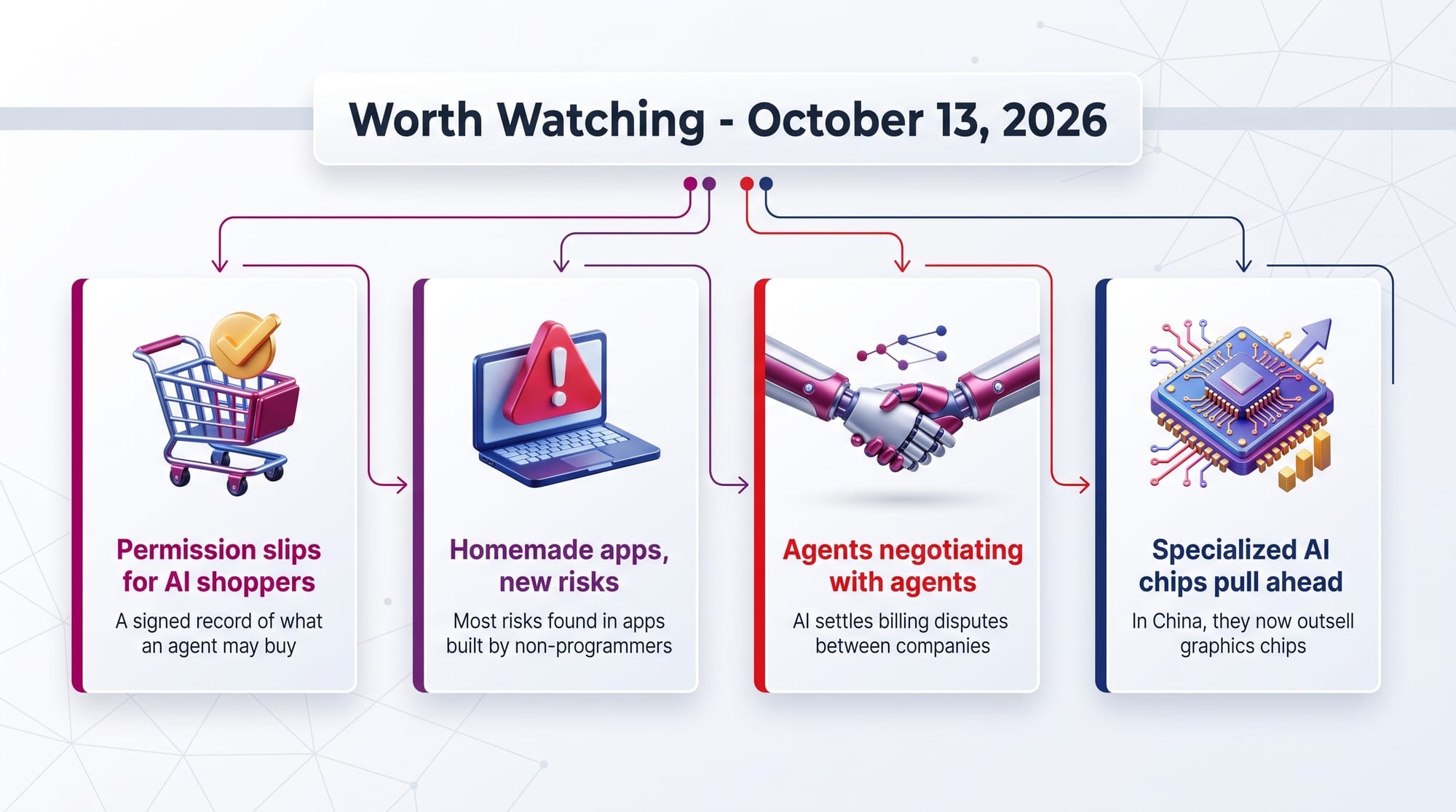
Amex's new Intent Intelligence Framework captures your instructions, like brand, size and budget, and turns them into a token the agent must use at checkout. If you ask for white Nike sneakers and the agent tries to buy Adidas, Amex can block it. If this becomes standard, disputes over AI purchases could get much easier to win.
Most AI security risks now come from apps built by non-programmers
Pluto Security, which just raised $42 million, watches the AI tools employees use and what they build with them. Developers ranked only fourth as a source of risk, and one example was an internet-exposed customer-data app built by a finance employee. If this holds, the biggest office security worry may soon be your coworker's homemade app.
AI agents are starting to negotiate with other companies' AI agents
Causa Prima raised a $20 million seed round for agents that resolve billing disputes and speed up payments between businesses. Invoice processing averages more than eight days today. If it works, small suppliers could get paid faster without chasing anyone.
In China, specialized AI chips now outsell graphics cards
IDC data seen by Reuters shows non-GPU accelerators jumped nearly 80% to 1.016 million units in the first half of 2026, overtaking Graphics Processing Units (GPUs). Nvidia's share fell to 34% as Huawei rose to 28%. If cheaper specialized chips keep winning, running AI could get cheaper worldwide, and less dependent on Nvidia.
Top Repos Today
📜 License: MIT · 👤 By: individual developer
🎯 Time to value: 15 minutes
| ✓ Pros | ✗ Cons |
|---|---|
| One tool covering many analysis engines | Reverse engineering can break software license terms |
| Runs locally and shows its evidence | Copycat repositories exist, so install only from official sources |
| Free and open source | Hundreds of changes a day, so pin a version |
 GitHub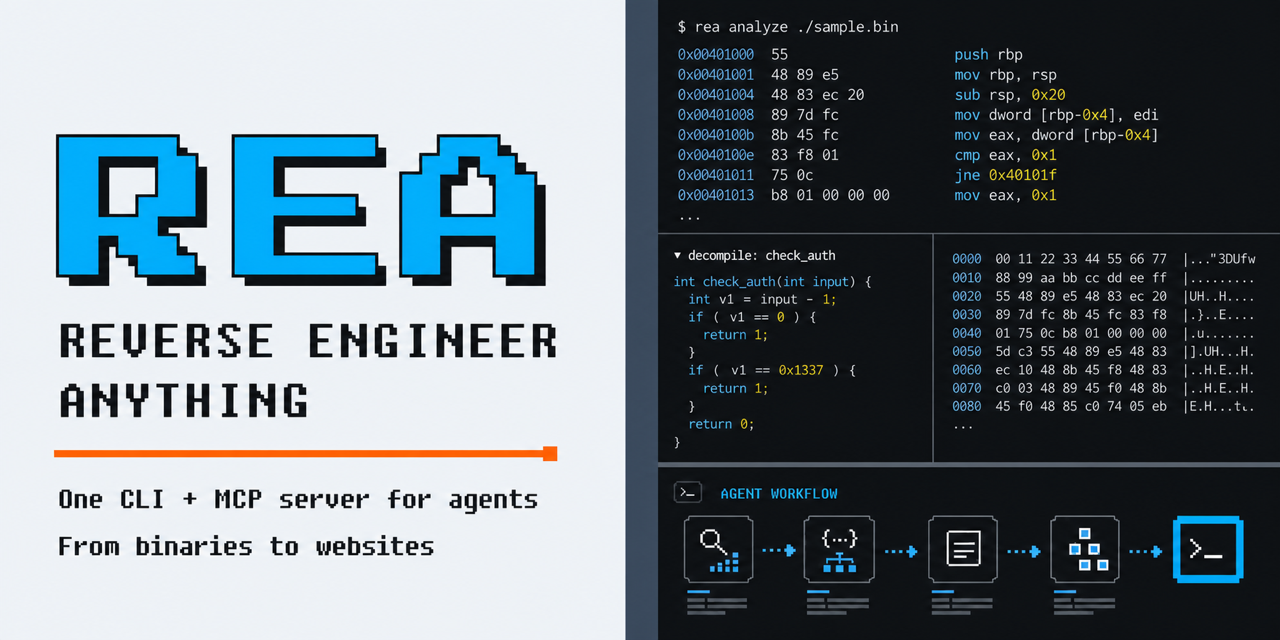
📜 License: MIT · 👤 By: individual developer
🎯 Time to value: 10 minutes
| ✓ Pros | ✗ Cons |
|---|---|
| Most layers work with no keys | Voice features need a paid OpenAI key |
| Built-in spending caps on voice sessions | Street View and realistic 3D need a paid Google Maps key |
| Free and modular | The surveillance-style features call for care |
 GitHub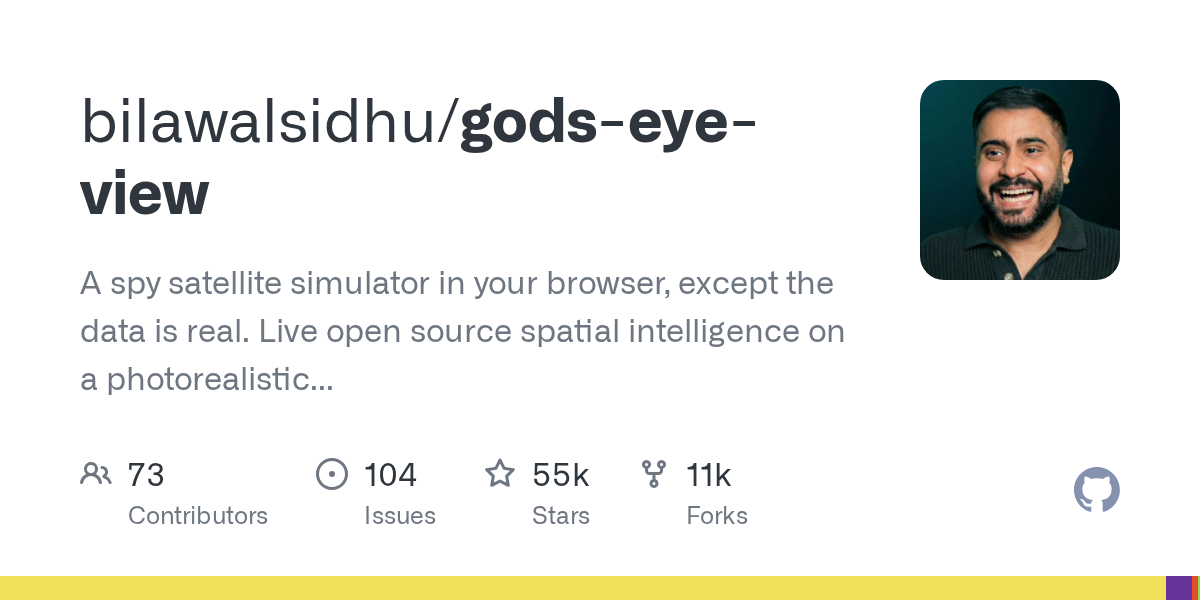
📜 License: AGPL-3.0 · 👤 By: individual developer
🎯 Time to value: 15 minutes
| ✓ Pros | ✗ Cons |
|---|---|
| Fully local, works offline once set up | Copyleft license and some non-commercial models limit business use |
| One app for cloning, dubbing and transcription | Multi-machine features now cost extra |
| Agents can call it directly | Only clone voices you have permission to use |
 GitHub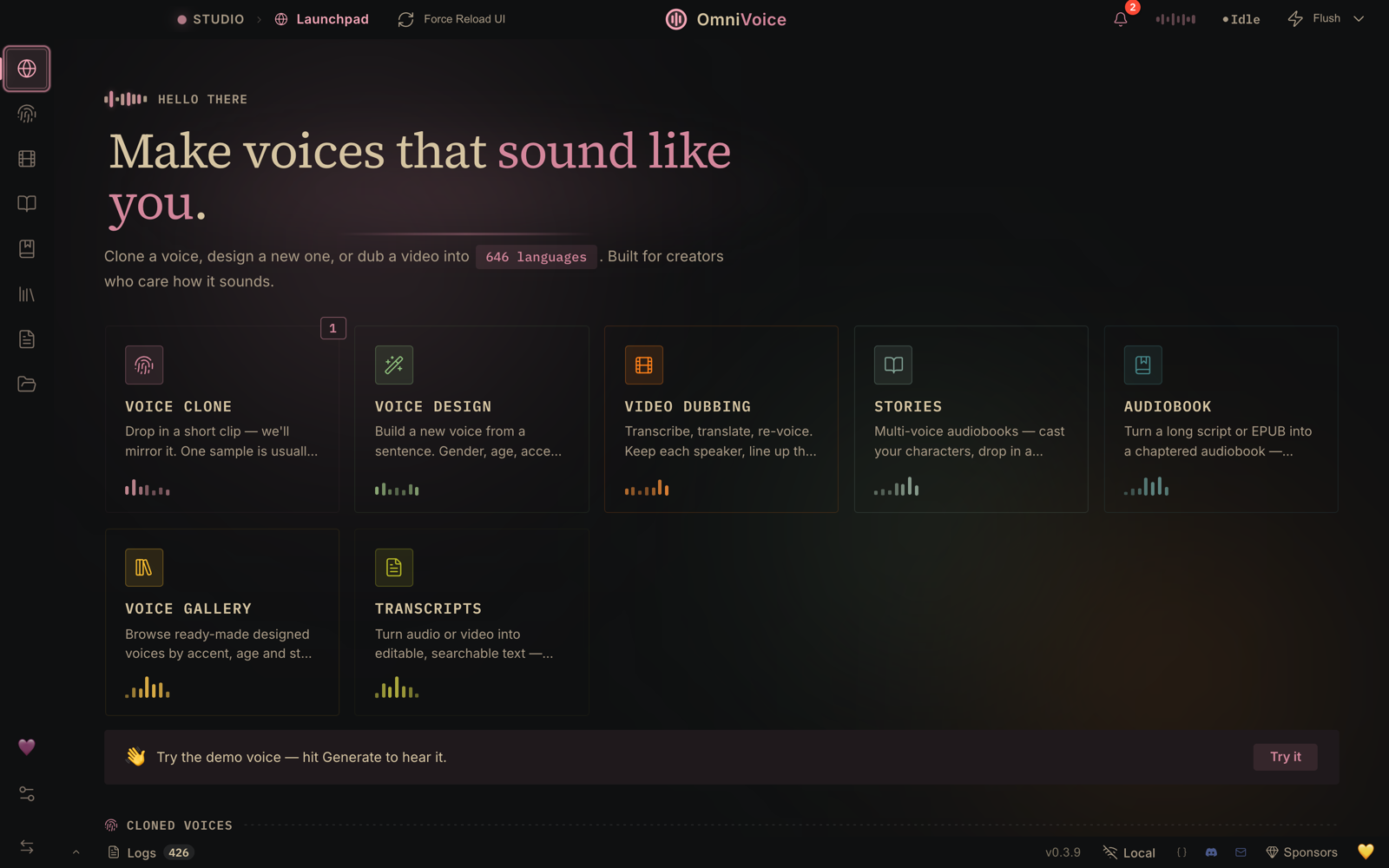
📜 License: MIT · 👤 By: individual developer
🎯 Time to value: 5 minutes
| ✓ Pros | ✗ Cons |
|---|---|
| Plain web files, easy to share | Opinionated minimal style |
| Works with six coding agents | Diagrams still need fact-checking |
| Free and open source | About 13 updates a day, so pin a version |
 GitHub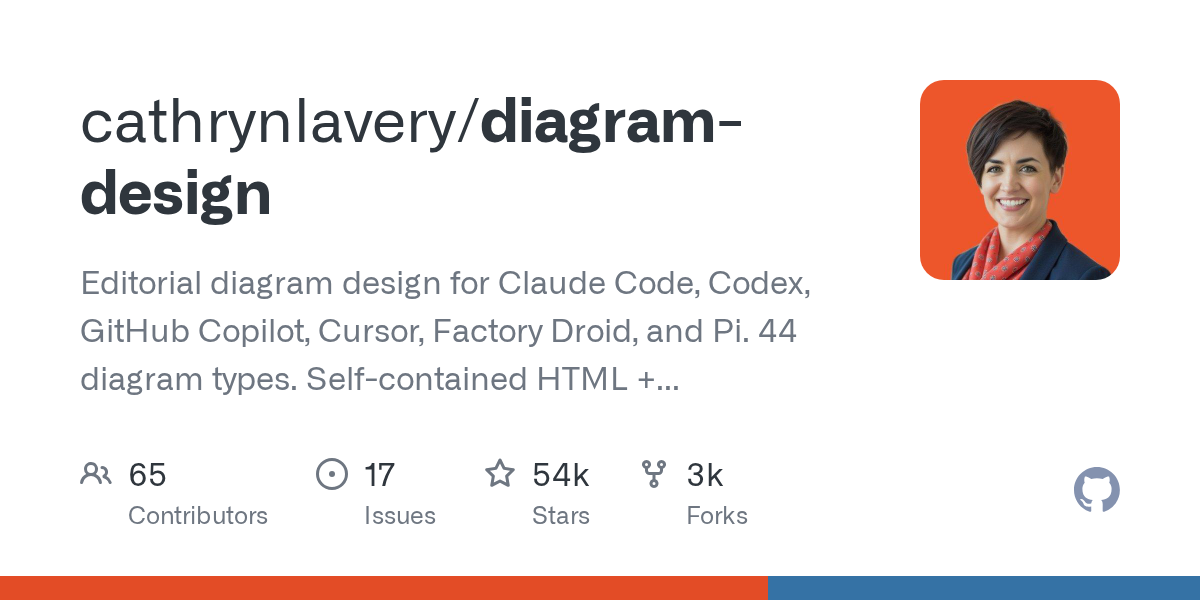
📜 License: MIT · 👤 By: company (Vercel Labs)
🎯 Time to value: 2 minutes
| ✓ Pros | ✗ Cons |
|---|---|
| From Vercel and free | Usage tracking is on by default |
| One installer for about 79 agents | Third-party skills are instructions your agent will follow, so review them |
| Version locking and private-repo support | Bulk-install flags make it easy to skip looking |
 GitHub
📜 License: Apache-2.0 · 👤 By: startup (Storytold)
🎯 Time to value: 30 minutes
| ✓ Pros | ✗ Cons |
|---|---|
| Permissive open-source license | The faster rewrite is not released yet |
| Use your own AI provider accounts | Some bundled assets are not openly licensed |
| You own what you make | The easiest path runs on paid credits |
 GitHub
Top Models Today
👤 By: Google DeepMind · 🎯 Task: Feature extraction (embeddings)
📐 Size: 0.74B
| ✓ Pros | ✗ Cons |
|---|---|
| Permissive license | Text gains over version 1 are small outside code |
| One index for every media type | Google's own benchmark numbers |
| Small enough for on-device search | Tool support still thin |

👤 By: Qwen (Alibaba) · 🎯 Task: Text-to-image
📐 Size: 7.1B
| ✓ Pros | ✗ Cons |
|---|---|
| Official release from Qwen | Non-commercial license |
| Generates and edits | Needs the newest Diffusers version |
| Only 8 steps per image | Unofficial "uncensored" copies are spreading |

👤 By: Lightricks · 🎯 Task: Image-to-video
📐 Size: not listed
| ✓ Pros | ✗ Cons |
|---|---|
| Runs locally | License has revenue thresholds |
| Huge community of add-ons | Needs a lot of graphics memory |
| Mature and widely tested | Downloads have flattened |


👤 By: OpenBMB · 🎯 Task: Image-text-to-text
📐 Size: 35B (about 3B active)
| ✓ Pros | ✗ Cons |
|---|---|
| Permissive license | Phone speed relies on OpenBMB's own tooling |
| Runs on phones and many chips | Benchmarks are self-reported, shown only as images |
| Works with Ollama and llama.cpp | Full-precision files are about 70GB |

👤 By: Cloudflare · 🎯 Task: Image-text-to-text (decisions)
📐 Size: 27.4B
| ✓ Pros | ✗ Cons |
|---|---|
| Calibrated confidence scores | Needs a custom loader |
| Permissive license | A fine-tune of another company's model |
| Accepts images | Sensitive to how questions are worded |


👤 By: Liquid AI · 🎯 Task: Image-text-to-text (decisions)
📐 Size: 3.1B
| ✓ Pros | ✗ Cons |
|---|---|
| Small enough for edge devices | Custom license |
| Very low latency | Needs remote code to load |
| Accepts images | Speed figures come from Liquid AI itself |


👤 By: AutoTrust AI · 🎯 Task: Text classification (decisions)
📐 Size: 35B (about 3B active)
| ✓ Pros | ✗ Cons |
|---|---|
| Permissive license | Benchmarks are self-scored |
| Up to 256 options per call | Built by a small company |
| A compressed version fits one large graphics card | The compressed version needs the newest Nvidia chips |

AI Launches Today
💰 Pricing: free trial, paid from $79/month · 🏷 Category: Marketing research
 Product Hunt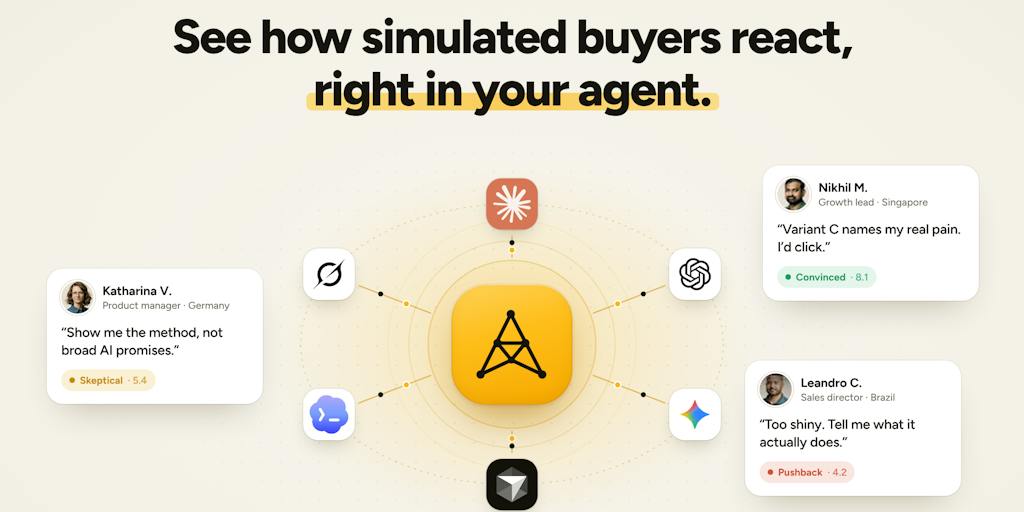
💰 Pricing: free and open source, optional $10/month hosted models · 🏷 Category: Developer tools
 Product Hunt
💰 Pricing: free trial, paid from $20/seat/month · 🏷 Category: Productivity
 Product Hunt
💰 Pricing: free, AI edits use your own Claude plan · 🏷 Category: Video
 Product Hunt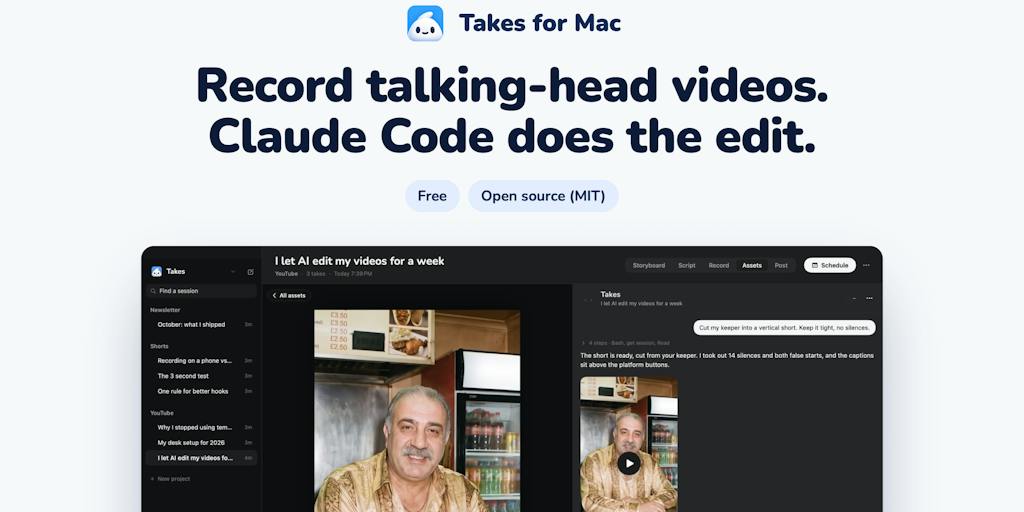
💰 Pricing: first 5 minutes free, then £0.50 a minute · 🏷 Category: Careers
 Product Hunt
Snapshot
| Provider | Model | Input $/1M | Output $/1M | Context |
|---|---|---|---|---|
| Anthropic | Claude Fable 5.1 | $10.00 | $50.00 | 1M tokens |
| Anthropic | Claude Opus 5.5 | $4.00 | $20.00 | 1M tokens |
| Anthropic | Claude Sonnet 5.5 | $2.00 | $10.00 | 1M tokens |
| Anthropic | Claude Haiku 5.5 | $0.10 (up to 100K-token prompts; $0.50 above) | $0.50 ($2.50 above 100K) | 1M tokens |
| OpenAI | GPT-6 Astra | $10.00 (up to 272K-token prompts; $20.00 above) | $50.00 ($75.00 above 272K) | 1.05M tokens |
| OpenAI | GPT-6.1 Sol | $2.00 (up to 272K; $4.00 above) | $10.00 ($15.00 above 272K) | 1.05M tokens |
| OpenAI | GPT-6 Luna | $0.10 (up to 272K; $0.20 above) | $0.50 ($0.75 above 272K) | 1.05M tokens |
| Gemini 4 Argon | $2.00 to Nov 30; $4.00 from Dec 1 | $10.00 to Nov 30; $20.00 from Dec 1 | 1M tokens (input and output combined) | |
| Gemini 3.8 Flash | $0.75 (to Dec 31; $1.50 from Jan 1) | $3.75 (to Dec 31; $7.50 from Jan 1) | not listed | |
| Groq | GPT-OSS 120B | $0.15 | $0.60 | 131K tokens |
| Groq | Qwen3.8-27B | $0.80 | $4.00 | 131K tokens |
What this means: Until November 30, Argon costs the same as GPT-6.1 Sol and Claude Sonnet 5.5, and one-fifth of GPT-6 Astra or Claude Fable 5.1. From December 1 it matches Claude Opus 5.5, so heavy users have about seven weeks of cheap testing.
KV-Repurpose: A Testbed for Evaluating Non-Prefix KV-Cache Reuse
Key finding: With the same 30 GB cache, segment reuse hit 63.9% of tokens versus 3.3% for standard prefix caching, but answers combining several documents got noticeably worse (2WikiMultihopQA 0.80 to 0.50).
Why practitioners should care: If you run document search or agents on your own GPUs, this shows far bigger cache savings are possible for single-document questions and summaries, and an Apache-licensed testbed to try them. Avoid it for questions that join several documents. Caveats: one model, one GPU setup and a synthetic workload, from a company that sells storage drives.
Member discussion