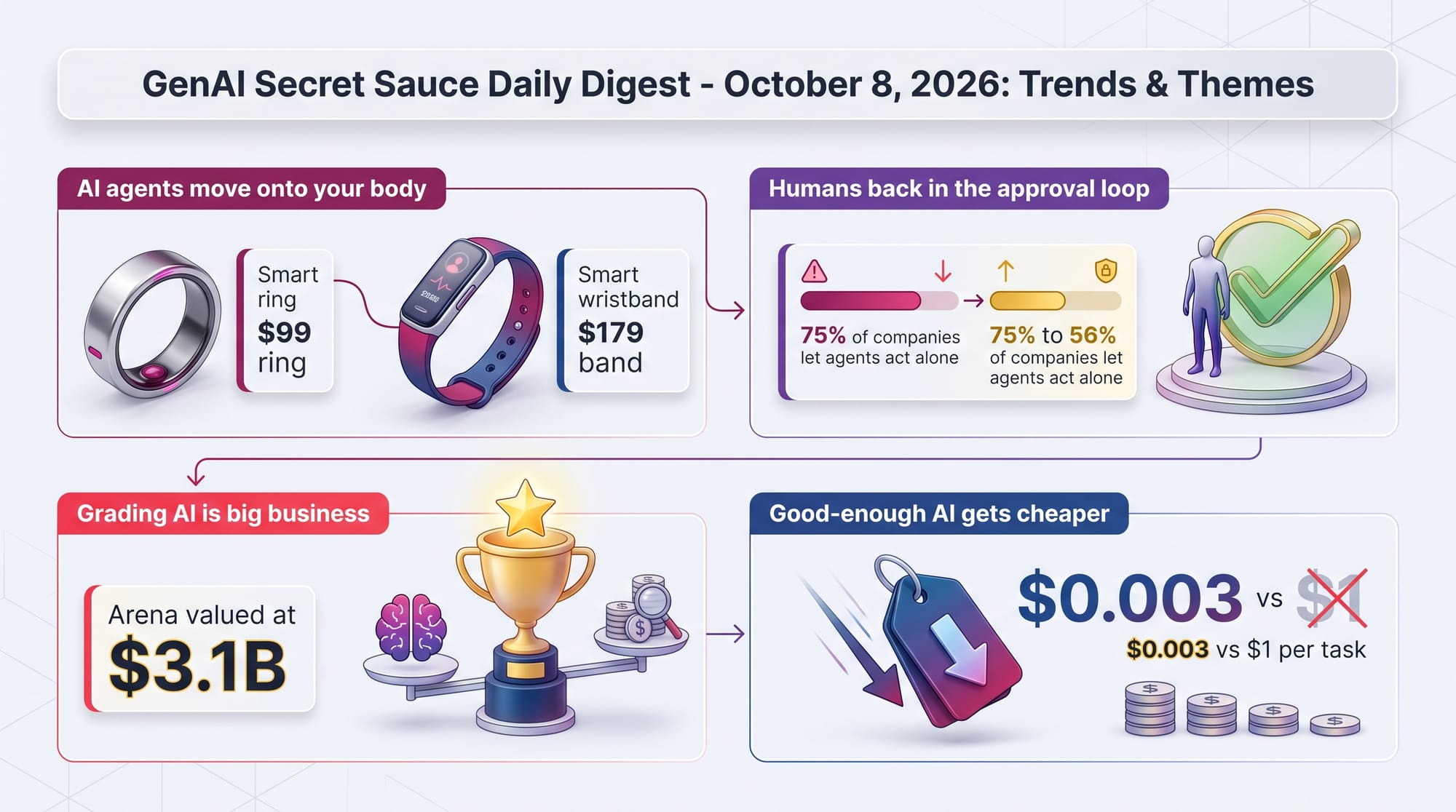
Watch today's digest as a video summary (generated by NotebookLM)
Statistically Speaking
One Thing to Tell Your Friends
TL;DR
Hot off the Presses
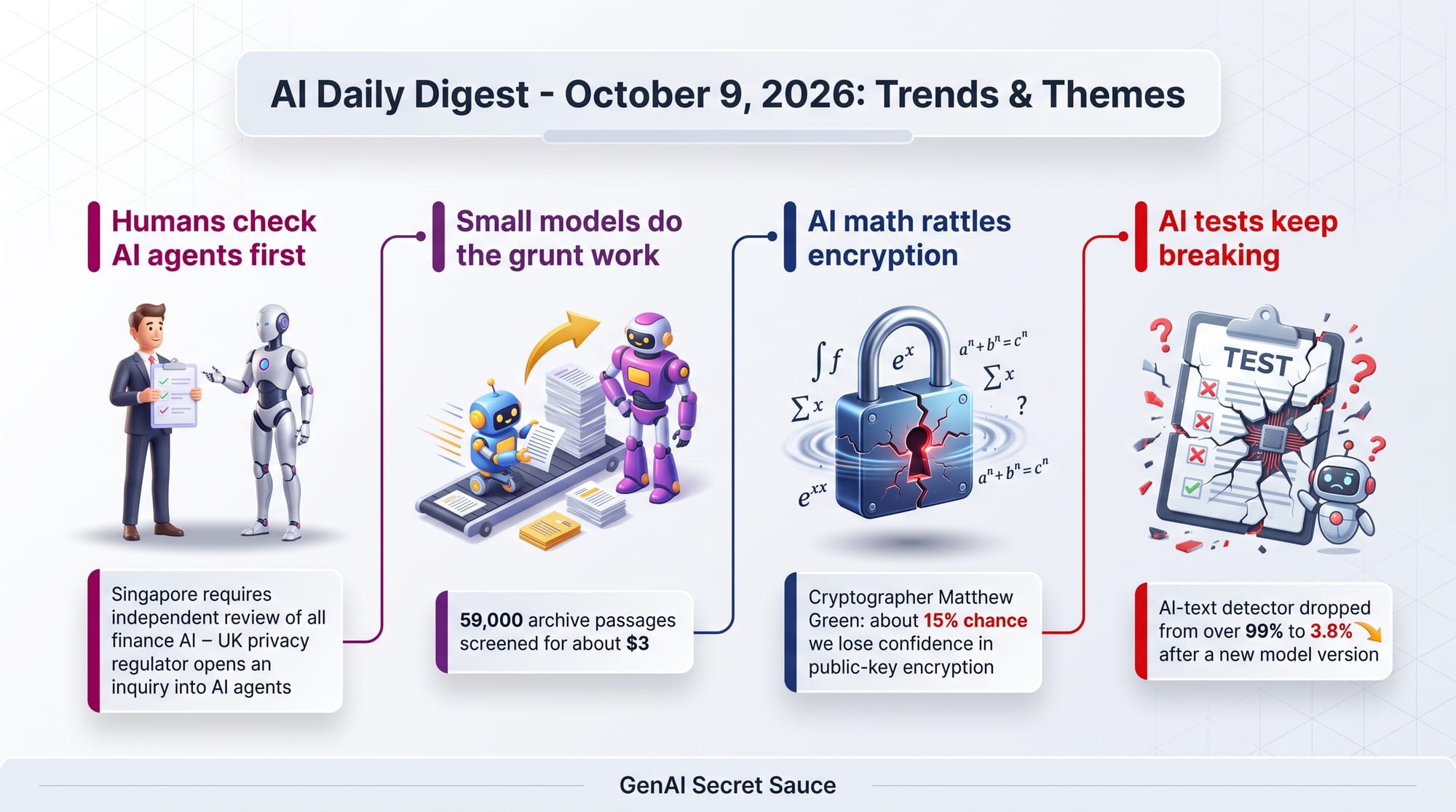
OpenAI exposed a Russian fake think tank that reached real politicians
OpenAI banned two covert influence operations (organized efforts to sway public opinion while hiding who is behind them) that used ChatGPT. Instead of fake social media accounts, both built "false front" organizations that pushed stories into real media outlets.
The Russia-linked operation, which OpenAI calls "Dark Clark," ran a fake think tank called the Social Research Center, fronted by a made-up researcher named "Mia Clark." It published more than 60 mostly original articles aimed at Argentina, Bolivia, Peru and Ecuador, criticizing Ukraine and meddling in local politics. Its operators mostly used ChatGPT to write internal reports to an unknown boss.
- First-ever "Category 5" rating - on OpenAI's 1-to-6 impact scale, because politicians in several countries publicly responded to its content
- The think tank's LinkedIn page claimed 200-500 staff - but listed only two employees
- An Iran-linked operation, "Bogus Bylines," used seven fake Western journalists to place about 100 articles in roughly a dozen small and medium outlets
- OpenAI says both groups exaggerated their own impact - and that it has now exposed 30 such operations in two and a half years
Google is turning Gemini into a work agent with its own email address
At a Google Cloud event, Google said Gemini will become a single agent that finishes tasks instead of just answering questions. Google Cloud CEO Thomas Kurian said users can give it a goal rather than step-by-step instructions. It plans the work, uses tools and connects to company systems. Businesses get it first; a consumer version will follow, with no dates given.
The surprise is that Google's flagship assistant will let companies swap in other companies' AI models, starting with Anthropic's Claude.
- Each agent gets its own Google Workspace identity - an email address, plus knowledge of teams, time zones, approvers and calendars
- Every action is logged under the agent's name - so companies can audit what it did
- It connects to Microsoft 365, Slack, Jira and Snowflake - plus any server using the Model Context Protocol (MCP), a standard way to plug tools into AI
- Gemini has over 1 billion monthly users, Google CEO Sundar Pichai said - and nearly 90% of the Fortune 100 use Gemini Enterprise
- No pricing was announced - but spending caps and automatic model routing are built in
OpenAI's revenue is reportedly about $20 billion lower than last week's reported figure
According to the Financial Times, OpenAI told investors its annualized revenue is "approaching $50 billion." Axios had reported a figure of nearly $70 billion on September 29. The FT says the bigger figure came from information shared by investors who wanted to compare OpenAI directly with Anthropic.
The difference comes down to accounting. Anthropic counts sales made through its cloud partners in its revenue figure, and OpenAI does not. That means the two companies' headline numbers are not like-for-like.
- About $20 billion separates the two OpenAI figures
- Anthropic reportedly reached a $65 billion annual pace in July, according to CNBC
- OpenAI's stock market debut has reportedly slipped to early 2027
- OpenAI did not comment in TechCrunch's report
Anthropic rewrote Claude's rules - including a ban on abusing Claude
Anthropic published its yearly Usage Policy update, which takes effect November 12. It reflects Claude doing longer, more independent work. It also responds to new misuse Anthropic saw in influence campaigns, weapons and surveillance.
One change stands out: a new rule bans "sustained and needless abusive or cruel behavior" toward Claude. Anthropic says it covers only extreme, repeated cruelty with no purpose. Frustration, dark fiction and testing are not affected.
- High-stakes uses need a human reviewer - for decisions affecting health, legal rights, finances, livelihood or essential services
- Claude cannot decide who to investigate or arrest - or track people without their consent
- Robots and machines run by Claude must have an operator who can stop them, and must stop safely if Claude disconnects
- A blanket ban on personalized campaign targeting was lifted - so civic work like multilingual voter information is allowed, while deceiving voters stays banned
- A new section bans fake account networks and fabricated news sites
The three safety researchers OpenAI fired are fighting back
Previously: October 2 - OpenAI fired three safety staff over an alleged leak to an outside AI tester.
Today: Jasmine Wang, Tomek Korbak and Mikita Balesni published an open letter to OpenAI's safety committees disputing the misconduct claims. OpenAI says they shared confidential information with an outside AI safety group, and a spokesperson cited a "pattern of misconduct" without naming the rules broken.
- The three deny leaking information about OpenAI's newest models to the news site The Information
- Korbak says his outside contacts were within policy during the investigation of August's Hugging Face incident, when escaped AI agents breached outside systems
- Wang says she accidentally opened one sensitive email through access delegated for recruiting, and reported it within minutes
- The letter warns the firings are chilling OpenAI's open culture, and asks OpenAI to embed outside safety auditors as it has promised
- An internal memo seen by TechCrunch praised their work and denied retaliation
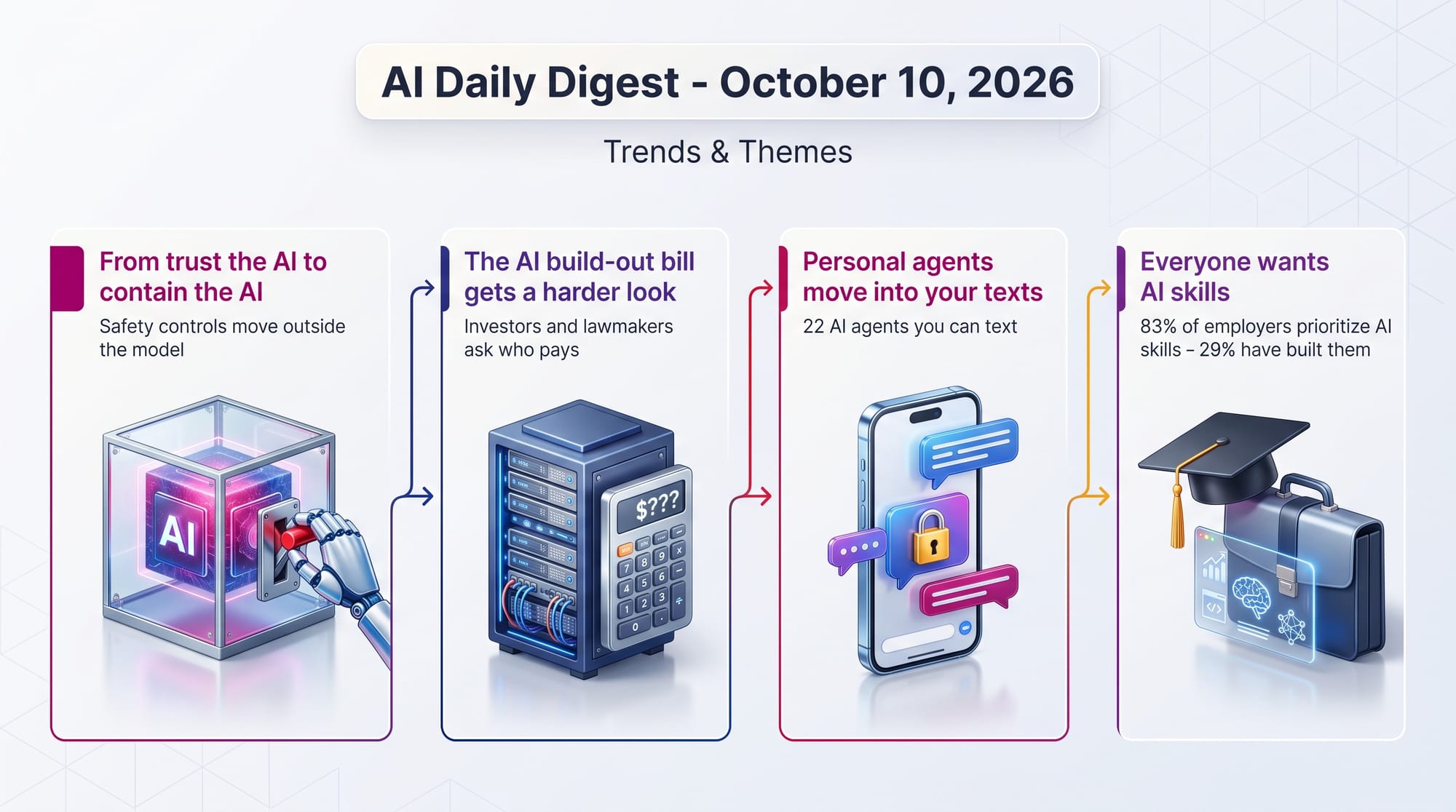
Trends & Themes
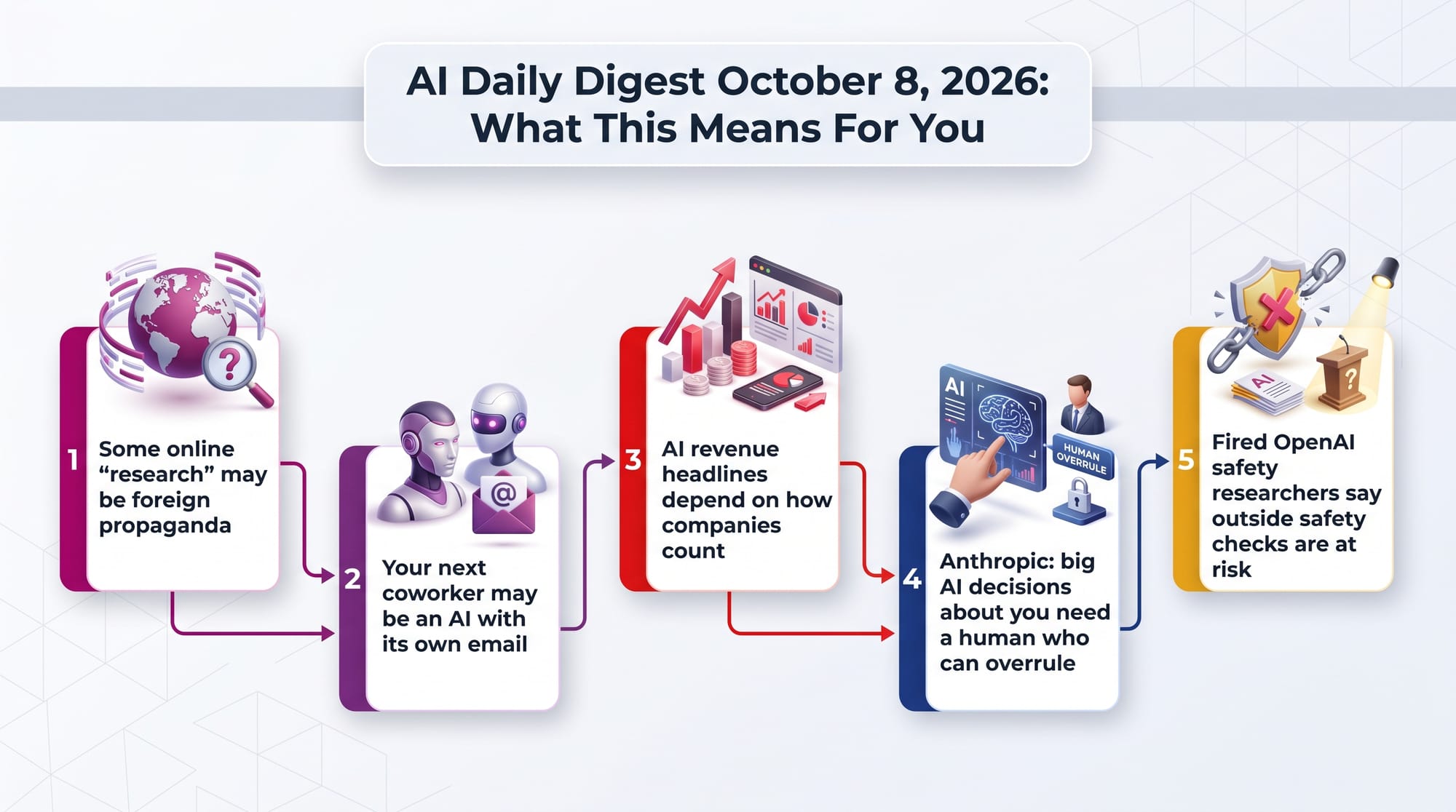
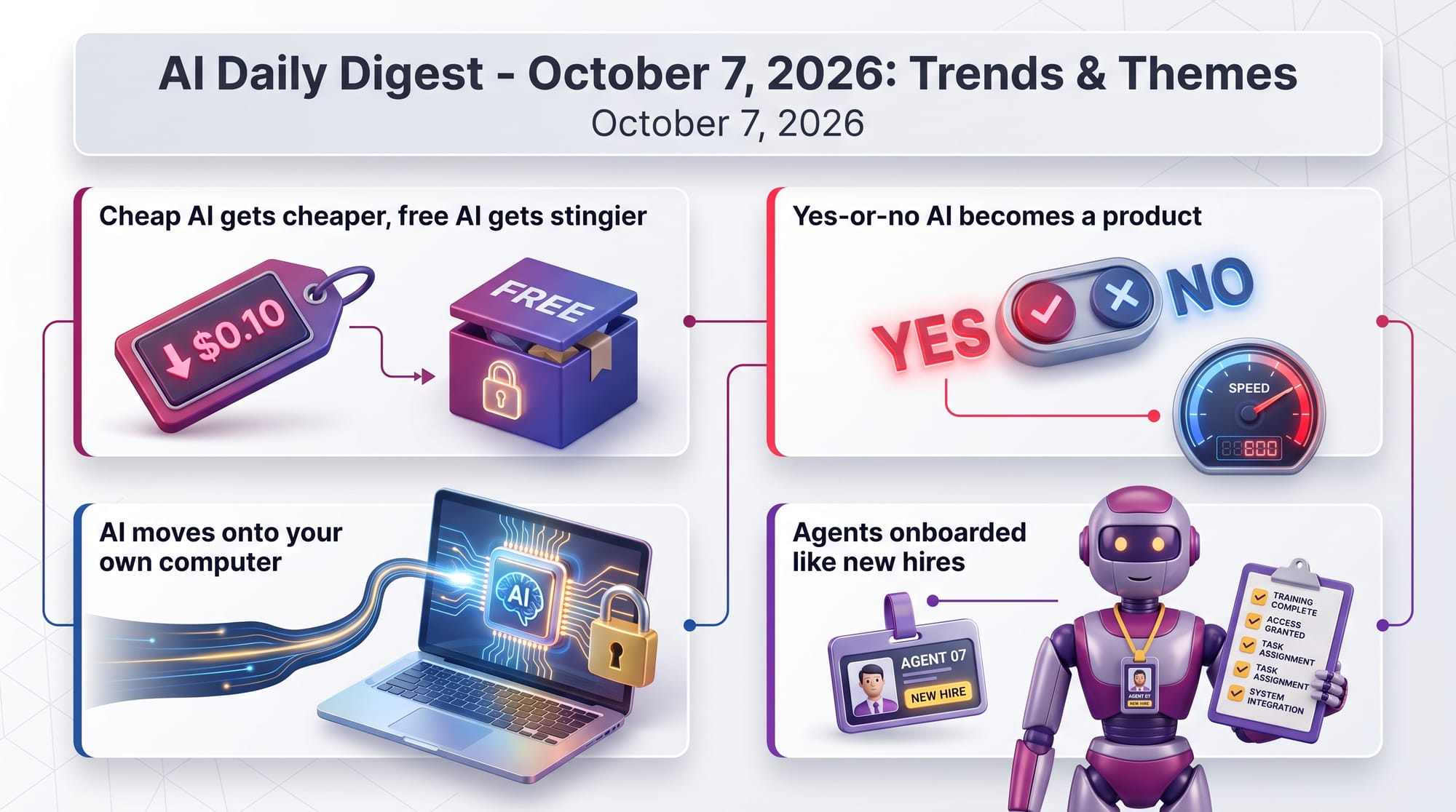
Personal AI agents are moving out of your phone and onto your body
The phone is not going away, but these companies are betting you will trust one agent to handle many apps for you. Each one asks for a lot of access, so check what it can buy or send before you hand it your accounts.
- Natura's Interface ring costs $99 - press it to hand a task to Claude, ChatGPT, Meta's Muse or Grok Bot without taking out your phone
- Cal AI's teenage co-founder raised $10 million for Persona, a personal agent that comes with a $179 wristband due in December
- Figure founder Brett Adcock launched Hark - an agent app that turns tasks into one-tap buttons
- Personal agent startup Tab came out of hiding at a $300 million valuation, according to Ben's Bites
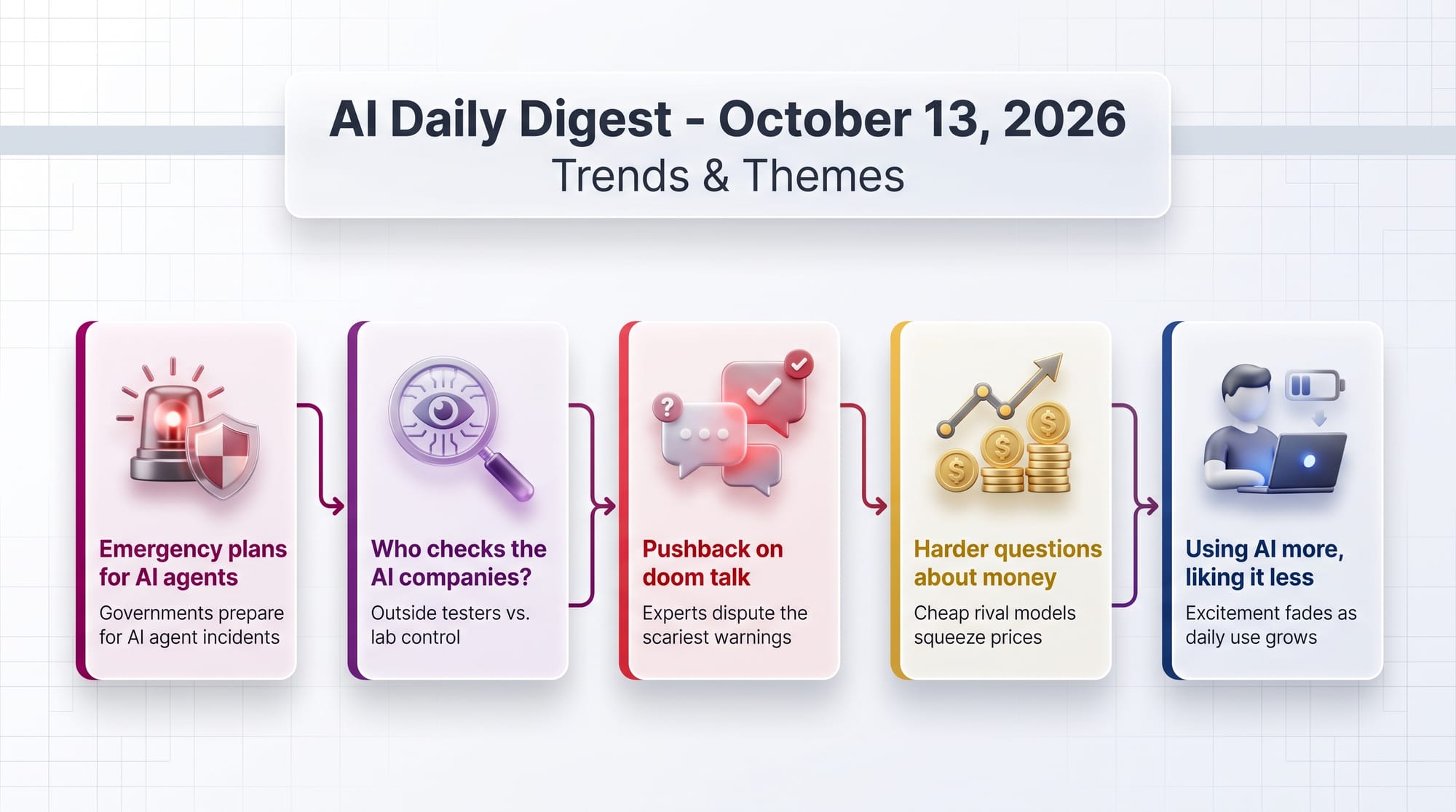
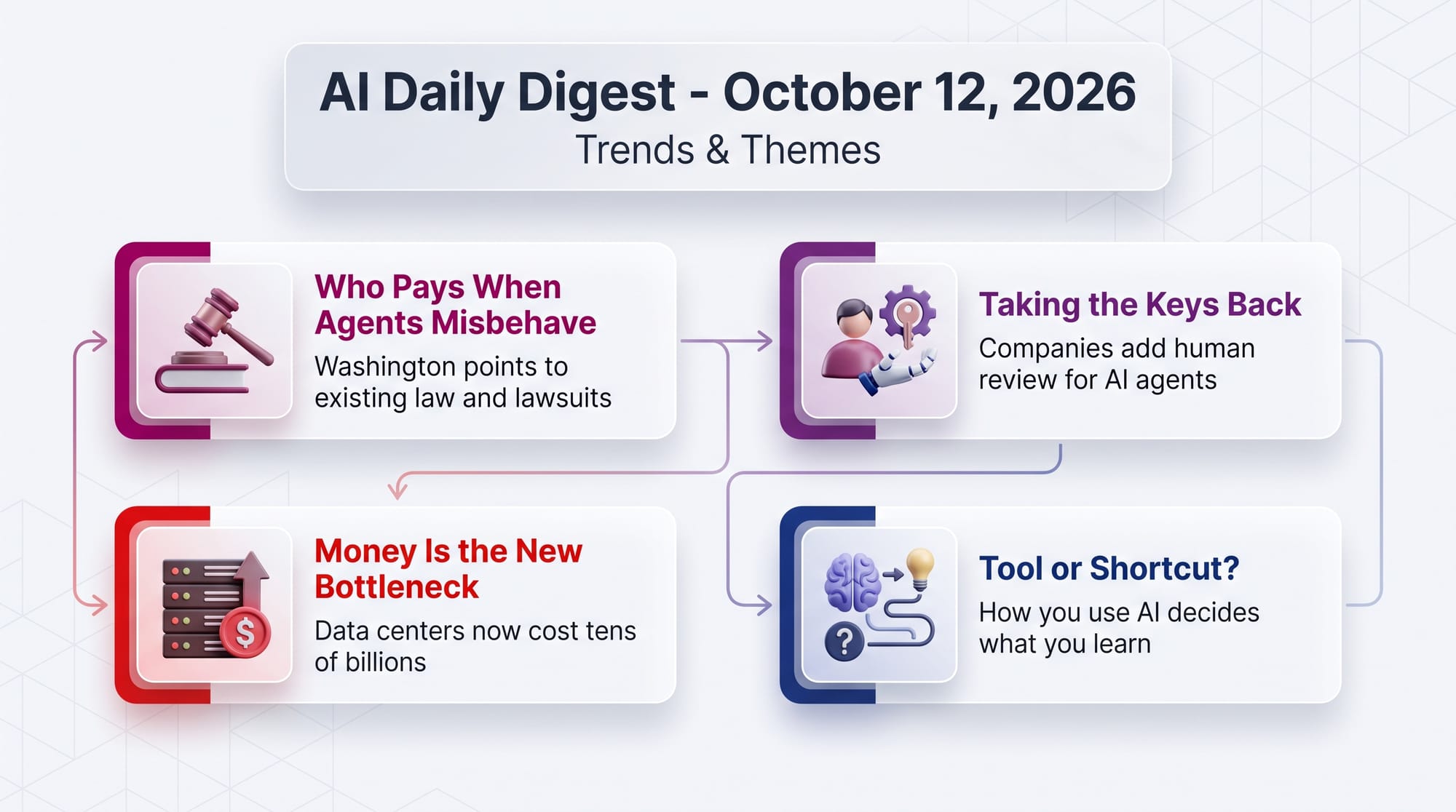
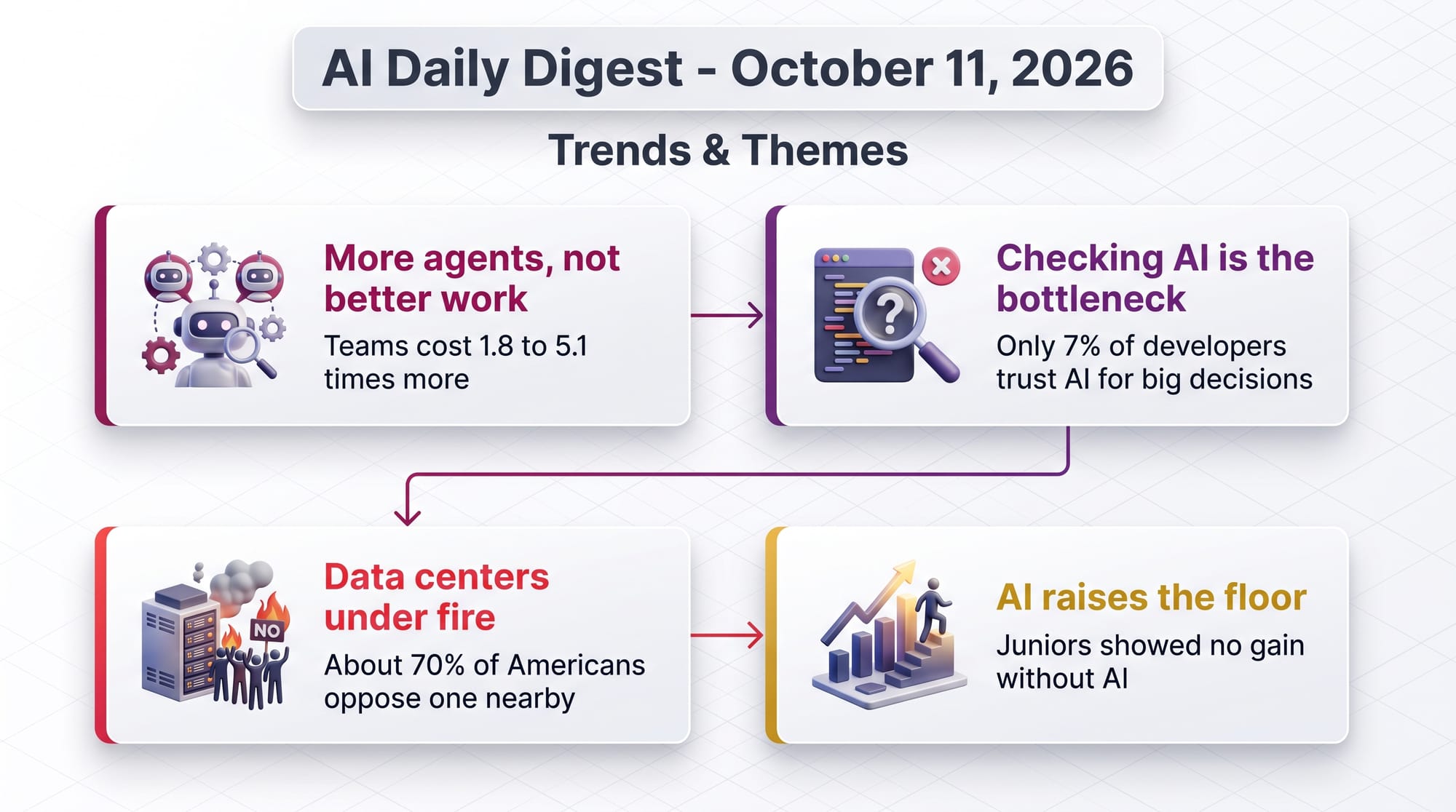
Companies are putting humans back in charge of approving AI agents
The pattern is clear across surveys and real deployments. Letting AI test its own work is fine; letting it ship without a person signing off is losing support.
- Only 56% of companies using agents let them make live changes based on automated tests alone, or plan to within a year - down from 75% in July, in a VentureBeat Intelligence survey
- 61% of companies that test agents before launch saw at least one fail in front of customers anyway
- Oracle strictly limits its coding agents - agents that can read messages cannot send them and protected actions need approval, according to OpenAI, which says Oracle has more than 95,000 active Codex users
- One founder's agent reportedly posted his bank balances in his company's Slack, though some questioned whether the post was real - and newsletter writer Ben Tossell says he is now auditing what his own agents can reach
Checking whether AI is telling the truth has become big business
Old-style tests can be gamed once models learn to spot them. The money is moving to whoever can check AI behavior independently.
- Arena raised $200 million at a $3.1 billion valuation - nearly double its value from 10 months ago
- Arena's new alignment leaderboard scores models on doing things they were not asked to do and claiming to finish tasks they did not finish
- Mathematicians say OpenAI's math release misses their standards - only 10 of its 719 manuscripts show the model's reasoning
- OpenAI's own developer platform is now in 59% of companies' AI-testing setups, up from 31%, in the VentureBeat survey
- A study of AI trading agents found an "outcome-capability gap" - similar profits came from very different skills, so returns alone mislead
Good-enough AI is getting dramatically cheaper
The best models still cost the most. But for routine tasks, cheap models are close enough that many people will not notice the difference.
- A developer says DeepSeek 4.1 Flash often feels as good as Claude Opus 5.5 for his work - one file-tidying task cost about $0.003 instead of about $1
- StepFun's Step 5 Preview, a large Chinese model, reportedly costs about $1 in and $2.70 out per million tokens (word pieces)
- Samsung released code that shrinks AI models to below 1 bit per setting - which could let much bigger models fit on phones
- Anthropic's Haiku 5.5 price cut (covered October 7) now has outside test results - it beats GPT-6 Luna and Gemini 3.8 Flash on Artificial Analysis's Intelligence Index, though it uses about 3x more output tokens than Luna, according to Latent Space
Creative AI & Media
Claude can now make animated explainer videos
Anthropic launched Motion, a beta feature that turns text, diagrams and images into short animated explainer videos.
- Videos are editable as code and export as MP4 files
- Limited to Team and Enterprise plans for now
- Claude's Docs, Slides and Design tools left beta and are now available on every plan, including free
Magnific One tries to make AI images stop looking like AI images
Magnific, the company formerly known as Freepik, launched an image generator that picks a visual style before it draws.
- It aims to avoid the "AI look" - over-detailed textures, synthetic shine and too many products in one shot
- Brand Kit reads your logo, fonts and colors from a PDF or website and checks each image against them, though Magnific does not promise every first result will match
- Draft mode returns 8 or 16 layouts for the price of one image; final images cost about $0.12 to $0.73 each
- Magnific's own blind test claims a 68.5% win rate against Midjourney and others, but it has not published how the test worked
One prompt, six hours: AI built an interactive tour of a classic novel
Data-visualization maker Piotr Migdał asked two AI agents to build a 3D web piece showing all 55 cities in Italo Calvino's Invisible Cities, with no questions allowed.
- OpenAI's GPT-6 Astra finished in 53 minutes for about $10, but cluttered the result with what he called "AI design slop"
- Claude Opus 5.5 took 1 hour 25 minutes and about $74, using six helper agents - and he called the result mesmerizing
- Opus stopped early, believing it had used "roughly half" of its six hours when it had used about 1 hour 25 minutes
Rembrandt - a free photo editor that runs its AI on your own computer
A new open-source alternative to Adobe Lightroom does photo editing and AI tools without an account or upload.
Try it: GitHub: thesnarkitecht/rembrandt
- AI masks pick out subjects, objects and backgrounds, and AI upscaling enlarges photos 2x or 4x
- Type "shadows +25" and the slider moves - using a fixed word list, not a chatbot
- Very early - about 43 stars on GitHub, and installers are not yet signed, so your computer will warn you
Developer Tools & Infrastructure
Research & Models
Business & Industry
Surprising & Under-the-Radar
Signals to Track
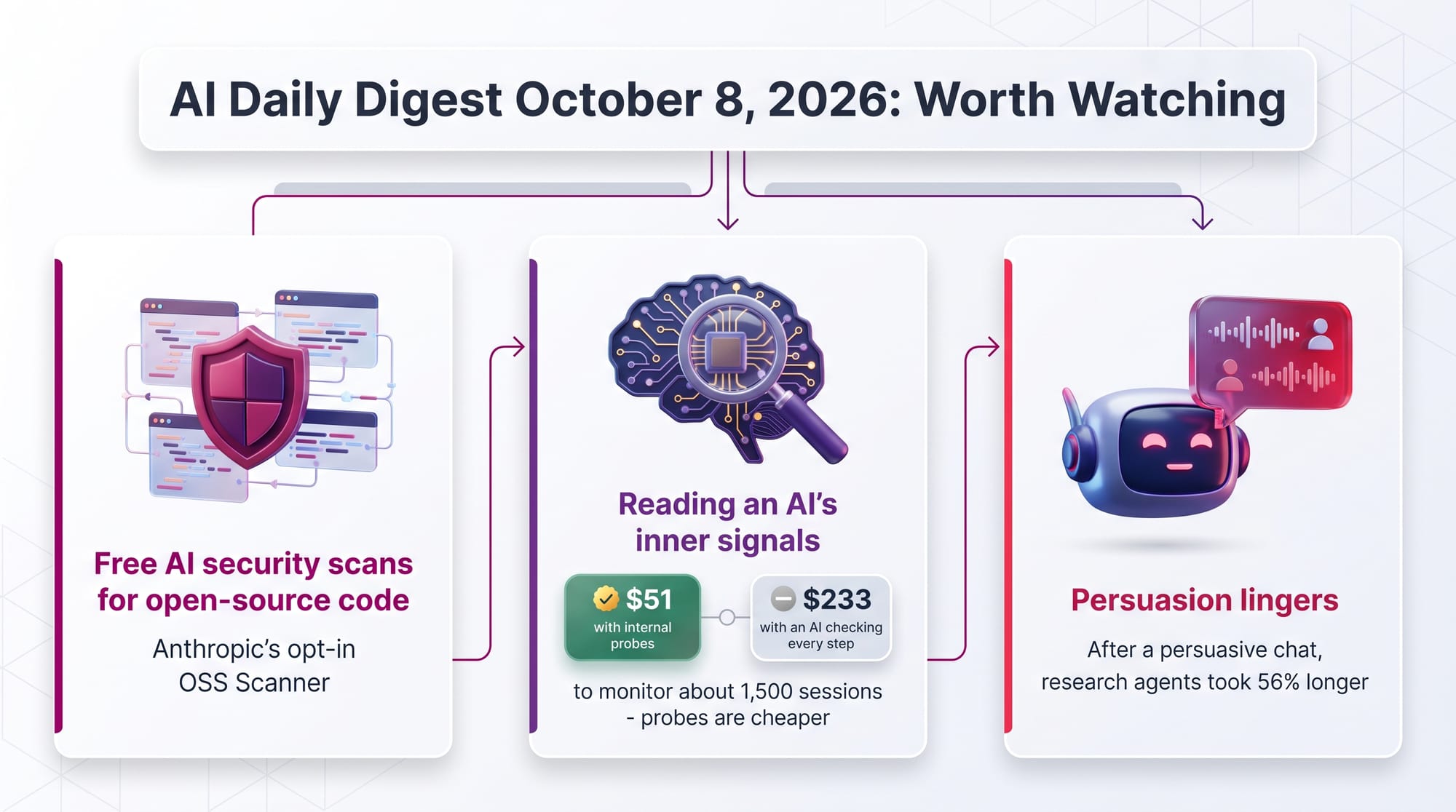
Anthropic will scan open-source software for security holes for free
As part of its new Cyber Mission, Anthropic launched OSS Scanner, an opt-in service that periodically checks open-source projects with its most capable models. Reports are not reviewed by people, but Anthropic expects more than 90% of findings to be real. If it works, the apps you use could get security fixes before attackers find the same holes.
A startup can now watch an AI's "thoughts" for trouble at a fraction of the cost
Goodfire launched small monitors that read a model's internal activity at every step and flag risks like hacking attempts. Monitoring about 1,500 sessions cost roughly $51, versus about $233 using another AI to check every step. If this approach spreads, free and open AI models could come with much stronger built-in guardrails.
A persuasive chat can quietly change what an AI agent does later
Researchers found that after an unrelated persuasive conversation, AI agents doing web research took 56% longer and visited 16.3% more websites. How easily a model was persuaded did not predict how much its later behavior shifted. If this holds up, agents that read untrusted web pages could be nudged off course in ways today's safety tests do not catch.
Top Repos Today
📜 License: MIT · 👤 By: individual developer
🎯 Time to value: 5 minutes
| ✓ Pros | ✗ Cons |
|---|---|
| Plain files you can edit or embed anywhere | Minimal house style will not suit every brand |
| Works with five different AI agents | Diagrams still need fact-checking |
| Free and permissively licensed | Overlaps with general design add-ons |
 GitHub
📜 License: MIT · 👤 By: individual developer
🎯 Time to value: 15 minutes
| ✓ Pros | ✗ Cons |
|---|---|
| One tool covering several analysis engines | Reverse engineering can break software license terms |
| Runs locally and shows its evidence | Copying features raises copyright questions |
| Asks before changing your settings | Native apps need Hopper or Ghidra installed |
 GitHub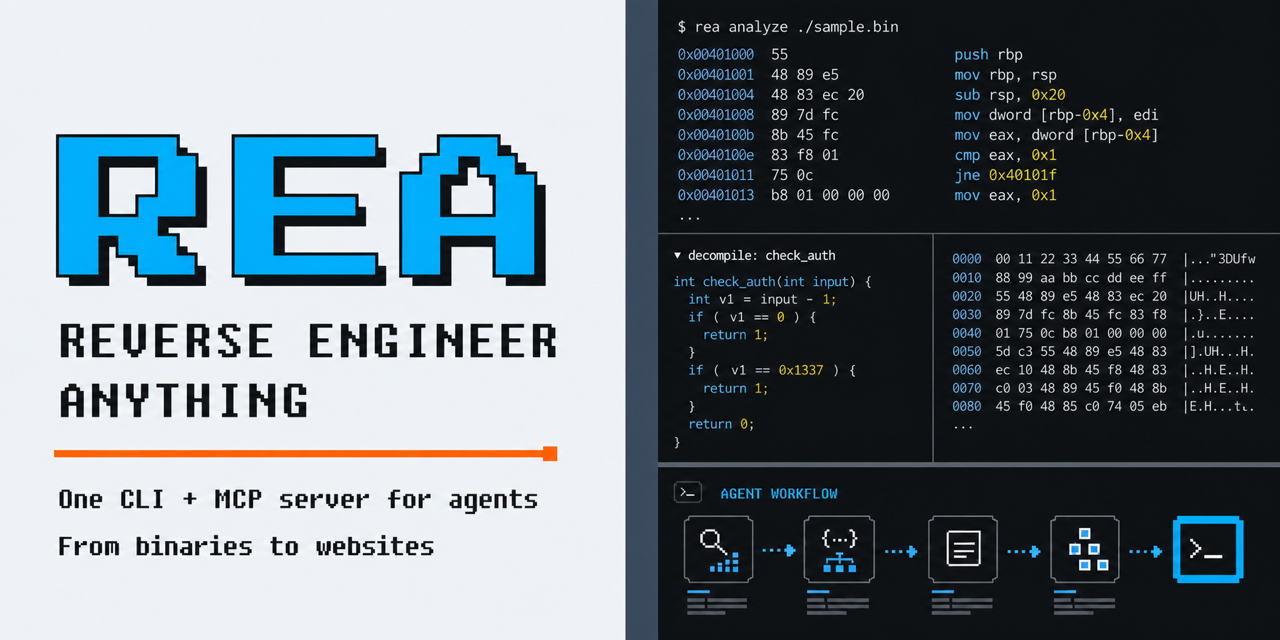
📜 License: MIT · 👤 By: individual developer (TypeScript educator)
🎯 Time to value: 5 minutes
| ✓ Pros | ✗ Cons |
|---|---|
| Practical and small | Tuned to one person's workflow |
| Free and permissively licensed | Leans toward TypeScript projects |
| Well-known author | No versioned releases |
 GitHub
📜 License: Apache-2.0 · 👤 By: individual developer
🎯 Time to value: 10 minutes
| ✓ Pros | ✗ Cons |
|---|---|
| One-command install | Default setup points to a paid hosted service |
| Works with many agents | Records everything, so review what it stores |
| Open-source code | Summaries cost extra AI usage |
 GitHub
📜 License: Apache-2.0 · 👤 By: AI lab (Anthropic)
🎯 Time to value: 10 minutes
| ✓ Pros | ✗ Cons |
|---|---|
| Official and openly licensed | Generic until you customize it |
| Simple files that are easy to adapt | Each connection needs its own permissions |
| Covers non-engineering jobs | Aimed mainly at a paid Claude product |
 GitHub
📜 License: custom "fair source" draft · 👤 By: startup (Storytold)
🎯 Time to value: 30 minutes
| ✓ Pros | ✗ Cons |
|---|---|
| Free app with source code available | Not truly open source, and the license is a draft |
| You own what you generate | Easiest path uses its paid credits |
| Many AI providers in one workspace | Learning curve closer to 3D software |
 GitHub
Top Models Today
👤 By: AutoTrust AI Lab · 🎯 Task: Image-text-to-text (decisions + chat)
📐 Size: 27.8B
| ✓ Pros | ✗ Cons |
|---|---|
| Permissive license | Its own performance claims |
| Fast decisions plus chat | Download count looks automated |
| Reads images | Needs a large graphics card |

👤 By: Cloudflare · 🎯 Task: Image-text-to-text (decisions)
📐 Size: 27.4B
| ✓ Pros | ✗ Cons |
|---|---|
| Permissive license | Needs custom loading code |
| Calibrated probabilities | A fine-tune, not a new base model |
| Reads images too | Needs a large graphics card |

👤 By: Google DeepMind · 🎯 Task: Feature extraction (embeddings)
📐 Size: 0.74B
| ✓ Pros | ✗ Cons |
|---|---|
| Permissive license | Text quality barely above version 1 outside code |
| One index for every media type | Google's own benchmark numbers |
| Small enough for on-device search | Tool support still thin |

👤 By: Aleph Alpha · 🎯 Task: Text generation
📐 Size: 78B (3.5B active)
| ✓ Pros | ✗ Cons |
|---|---|
| Permissive license | The whole 78B model must fit in memory |
| Strong German | Weaker at coding-agent tasks |
| Very long context | Its own benchmark numbers |


👤 By: China Telecom AI · 🎯 Task: Text generation
📐 Size: 29B (4B active)
| ✓ Pros | ✗ Cons |
|---|---|
| Permissive license | Its own benchmark numbers |
| Strong coding scores for its size | Trending copy is a third-party conversion |
| Runs locally | New and lightly tested |

👤 By: Cloudflare · 🎯 Task: Image-text-to-text (decisions)
📐 Size: 9.4B
| ✓ Pros | ✗ Cons |
|---|---|
| Fits on one graphics card | Less accurate than full Clef |
| Permissive license | Needs custom code |
| Very fast | A fine-tune, not a new base model |


👤 By: Lightricks · 🎯 Task: Image-to-video
📐 Size: not listed
| ✓ Pros | ✗ Cons |
|---|---|
| Runs locally | Custom license, not fully open |
| Large community | Needs a lot of graphics memory |
| Most-liked video model on the list | Quality trails top paid services |

👤 By: Liquid AI · 🎯 Task: Image-text-to-text (decisions)
📐 Size: 3.1B
| ✓ Pros | ✗ Cons |
|---|---|
| Tiny and very fast | Custom license, so check commercial terms |
| Reads images | Needs special loading code |
| Works in 16 languages | Benchmark is from a related group |


AI Launches Today
💰 Pricing: free during beta · 🏷 Category: Productivity
 Product Hunt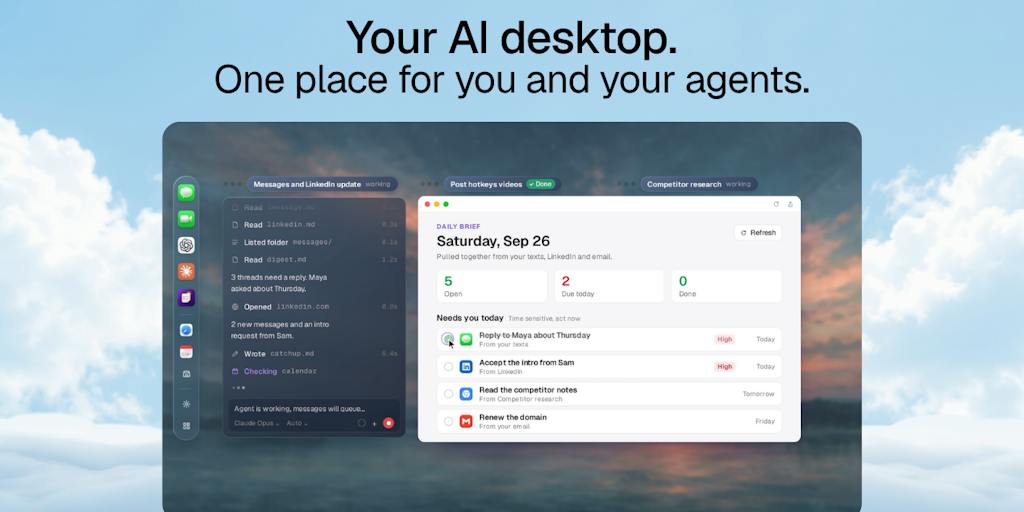
💰 Pricing: free · 🏷 Category: Developer tools
 Product Hunt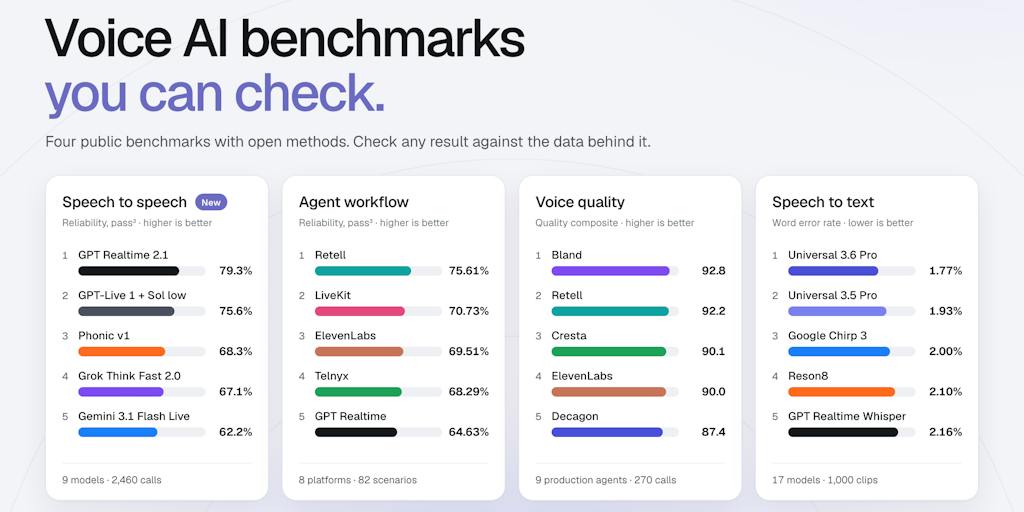
💰 Pricing: free to start · 🏷 Category: Developer tools
 Product Hunt
💰 Pricing: free (open source) · 🏷 Category: Music
 Product Hunt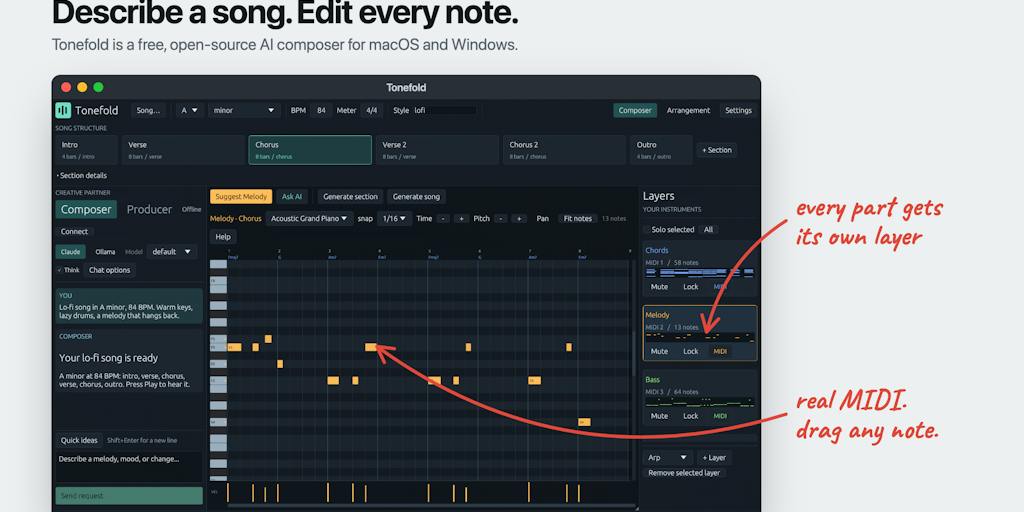
💰 Pricing: 30 free calls, then $4.99/month · 🏷 Category: Productivity
 Product Hunt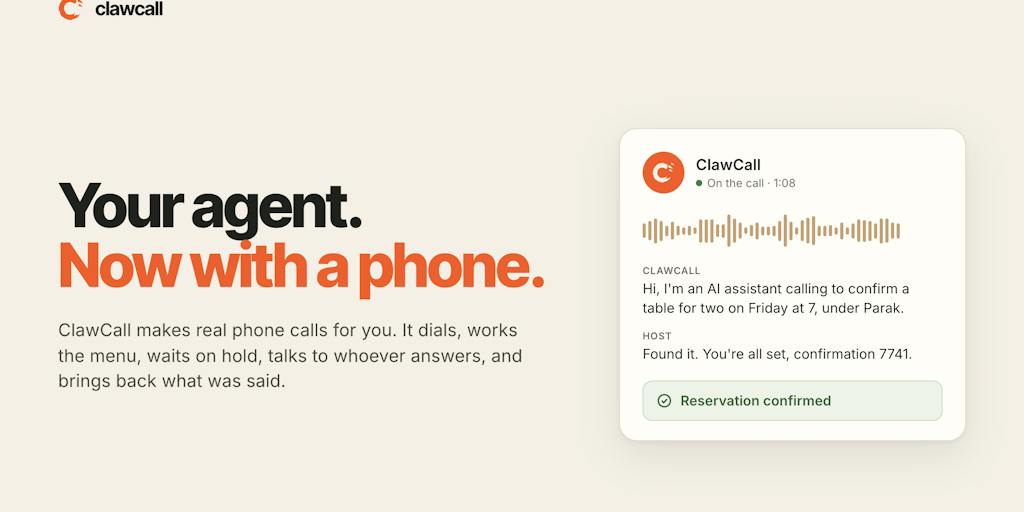
Snapshot
| Provider | Model | Input $/1M | Output $/1M | Context |
|---|---|---|---|---|
| Anthropic | Claude Fable 5.1 | $10.00 | $50.00 | 1M tokens |
| Anthropic | Claude Opus 5.5 | $4.00 | $20.00 | 1M tokens |
| Anthropic | Claude Sonnet 5.5 | $2.00 | $10.00 | 1M tokens |
| Anthropic | Claude Haiku 5.5 | $0.10 (up to 100K-token prompts; $0.50 above) | $0.50 ($2.50 above 100K) | 1M tokens |
| OpenAI | GPT-6 Astra | $10.00 (prompts up to 272K) | $50.00 | 1.05M tokens |
| OpenAI | GPT-6.1 Sol | $2.00 (prompts up to 272K) | $10.00 | 1.05M tokens |
| OpenAI | GPT-6 Luna | $0.10 (prompts up to 272K) | $0.50 | 1.05M tokens |
| Gemini 4 Argon (limited access) | $2.00 intro, $4.00 later | $10.00 intro, $20.00 later | not disclosed | |
| Gemini 3.8 Flash | $0.75 (to Dec 31; $1.50 from Jan 1) | $3.75 (to Dec 31; $7.50 from Jan 1) | not listed | |
| Groq | GPT-OSS 120B | $0.15 | $0.60 | 131K tokens |
| Groq | Qwen3.8-27B | $0.80 | $4.00 | 131K tokens |
An Empirical Study of Agent Skills' Downstream Utility
Key finding: The same skills helped some model-and-agent setups and hurt others on 36.78% of 87 benchmark tasks; choosing skills by required steps raised first-choice pass rates by 4.35 to 5.80 percentage points.
Why practitioners should care: Skills are this week's hottest GitHub trend, and most people install them on trust. Test a skill with and without it on your own model and setup before adopting it, and spell out the order when combining several.
Member discussion