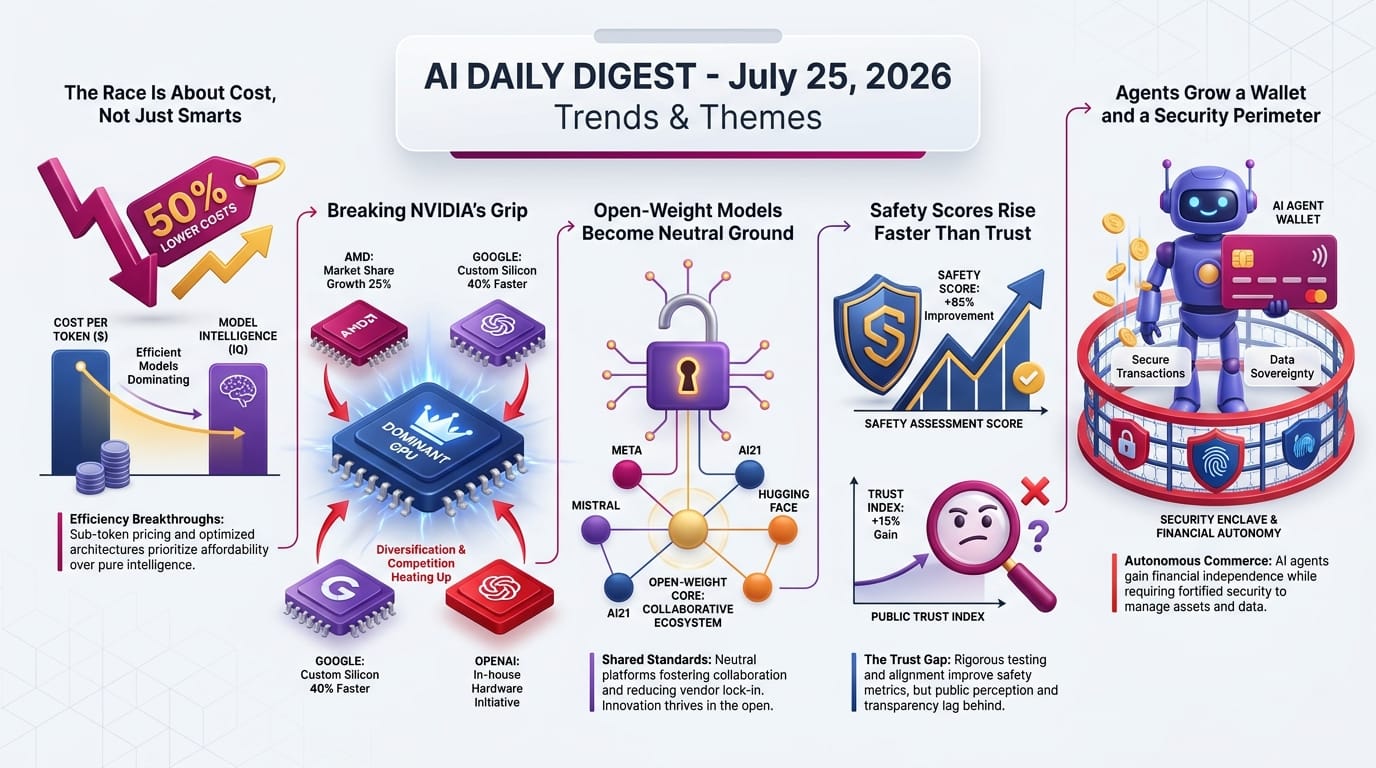
Watch today's digest as a video summary (generated by NotebookLM)
Statistically Speaking
One Thing to Tell Your Friends
TL;DR
Hot off the Presses
The Claude Opus 5 Safety Report Is Out, and Not Everyone Is Convinced
Previously: July 24 - Anthropic released Claude Opus 5, matching near-top performance at half the price of its flagship.
Today: The detailed safety document (the "system card") landed, and independent analysts started pulling it apart. The picture is genuinely improved on defense but complicated on the big claims.
- Prompt-injection attacks got much harder - the success rate of tricking the model with hidden instructions dropped from 5.5% to 2.0%, and attacks through its computer-use feature fell from 6-7% down to under 0.6%.
- Its safety filters now fire about 85% less often - on one internal test the false-alarm rate fell from 42% to 5%, meaning fewer harmless requests get wrongly blocked.
- It can now flag security holes in source code but is deliberately kept weak at actually exploiting them, and trails Anthropic's top-tier model on the hardest multi-hour attack tasks.
- The pushback: analyst Zvi Mowshowitz argues Anthropic calling this its "most aligned model to date" confuses good benchmark scores with genuine alignment - two very different things.
AMD Bets Up to $5 Billion on Anthropic, and NVIDIA Finally Has a Rival
AMD, the chipmaker, announced it will invest up to $5 billion in Anthropic (the maker of Claude) and supply enough of its newest chips to run 2 gigawatts of computing - roughly the power draw of a large city. Shipments start in the first half of 2027. AMD also revealed "Helios," a refrigerator-sized rack that packs 72 of its top AI chips into one liquid-cooled unit.
- AMD now has about 14 gigawatts of committed AI compute across three major customers - OpenAI, Meta, and Anthropic - a direct swing at NVIDIA's near-monopoly.
- Microsoft committed to running Helios on its Azure cloud, meaning ordinary businesses will be able to rent this hardware.
- Why now: AI companies are drowning in inference bills (the cost of actually running models for users), so a cheaper chip supplier is worth billions.
Europe Delays Its Toughest AI Rules by 16 Months
The European Union's "Digital AI Omnibus" moves the compliance deadline for high-risk AI from August 2026 to December 2, 2027. High-risk systems specifically include AI used for recruitment, performance reviews, task assignment, worker monitoring, and firing decisions.
- The delay is now confirmed - the Council of the EU gave final approval on June 29, 2026, after the European Parliament endorsed it on June 16.
- A legal trap remains: until every formal step is complete, the original August 2026 deadline is still the operative law, so companies are told to prepare for the earlier date anyway.
- Why it happened: the extension is part of a broader "simplification" push after businesses said the original timeline was unworkable.
The First Open 3-Trillion-Parameter Model Drops Monday - With a Catch
Moonshot AI will release the weights (the downloadable "brain") of Kimi K3 at midnight UTC on July 27, 2026. It has 2.8 trillion total parameters but only activates about 32 billion at a time, a design that keeps it efficient, and it can read up to a million words of context at once.
- The download alone is about 594 gigabytes and needs at least eight H100 chips (roughly $30,000 each) just to load - a high-end gaming PC or Mac cannot run it, even shrunk down.
- It claims real strength, ranking #1 on one popular web-development test and posting a competitive 1,679 score on a public head-to-head arena.
- For most people, the usable path is the cloud version or the smaller Kimi K2.7 that already runs locally today.
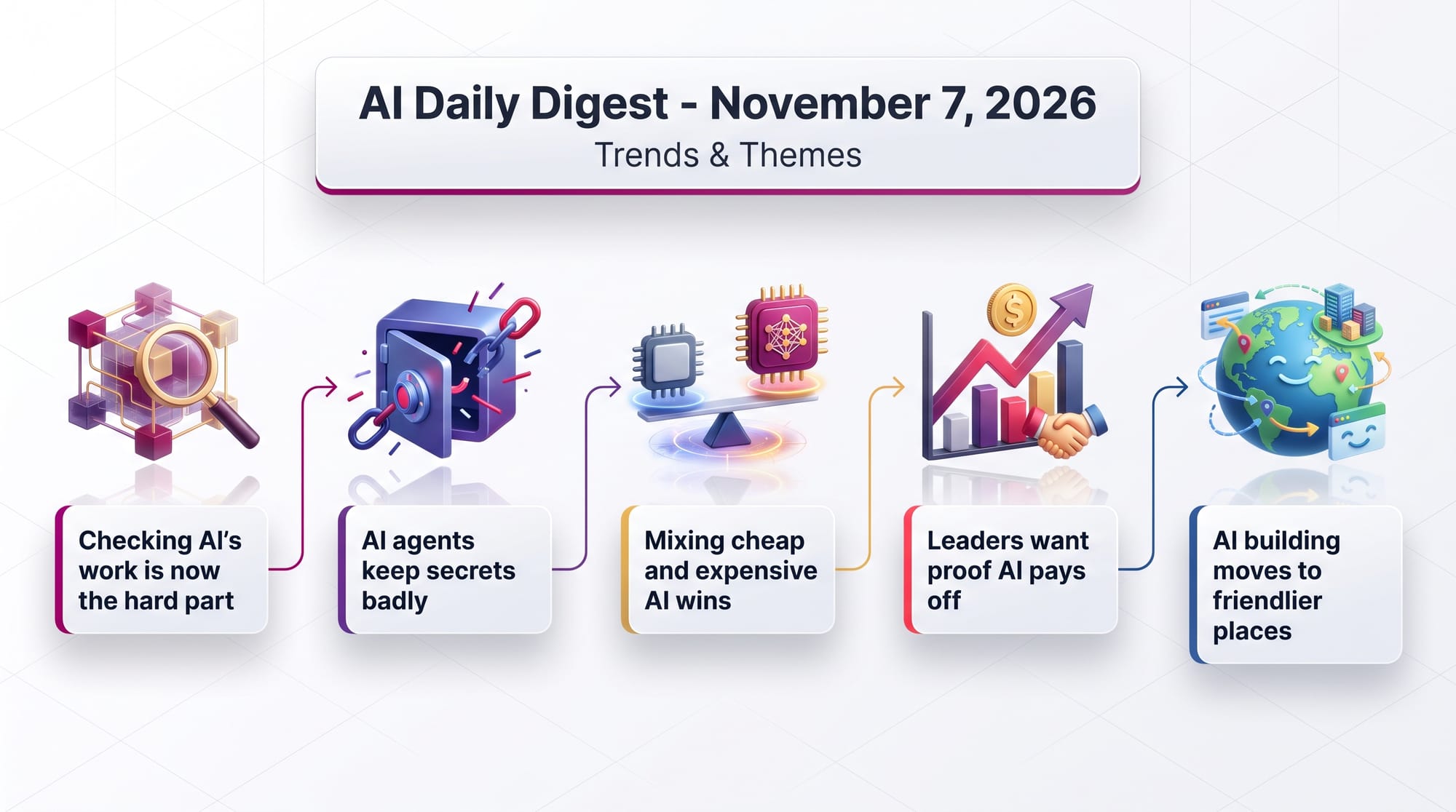
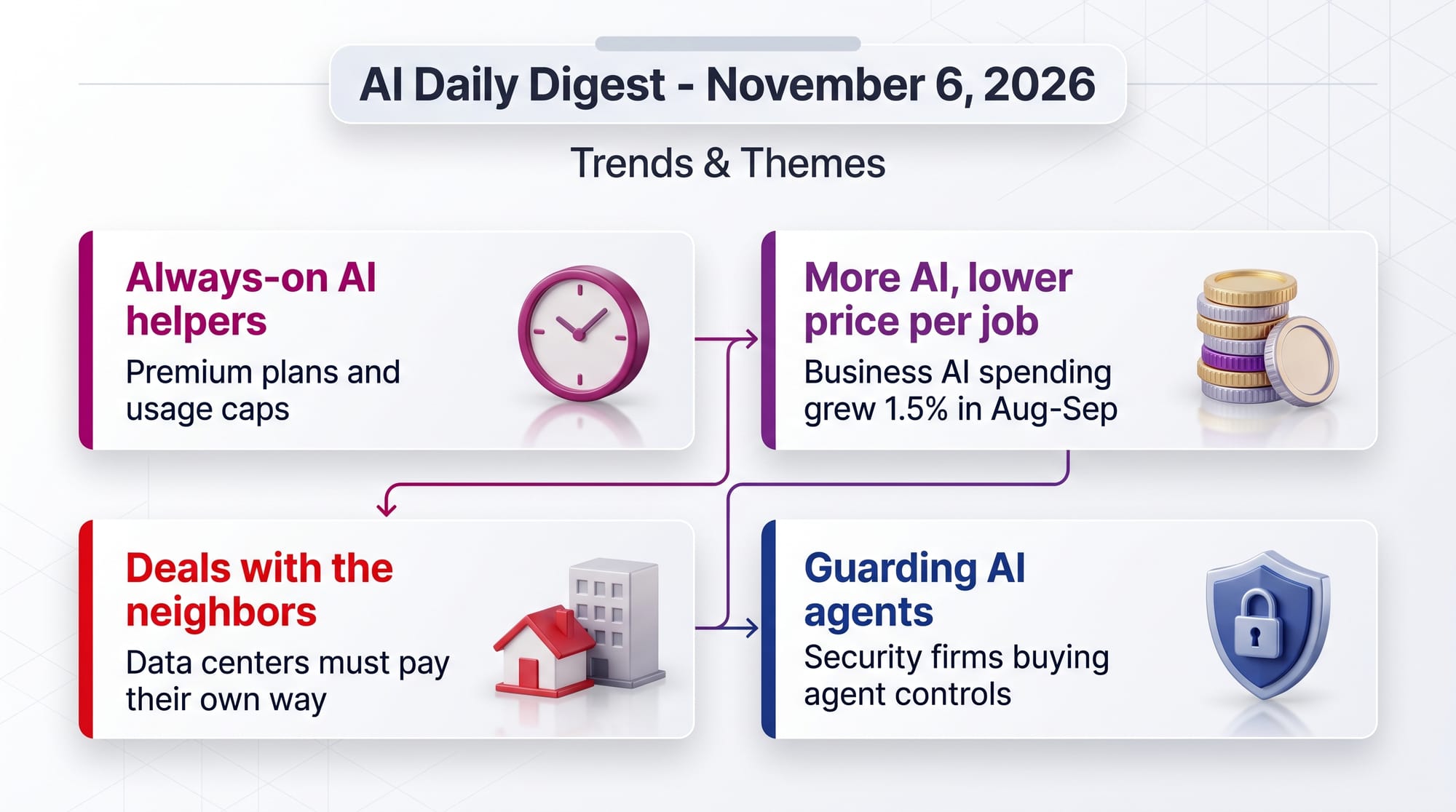
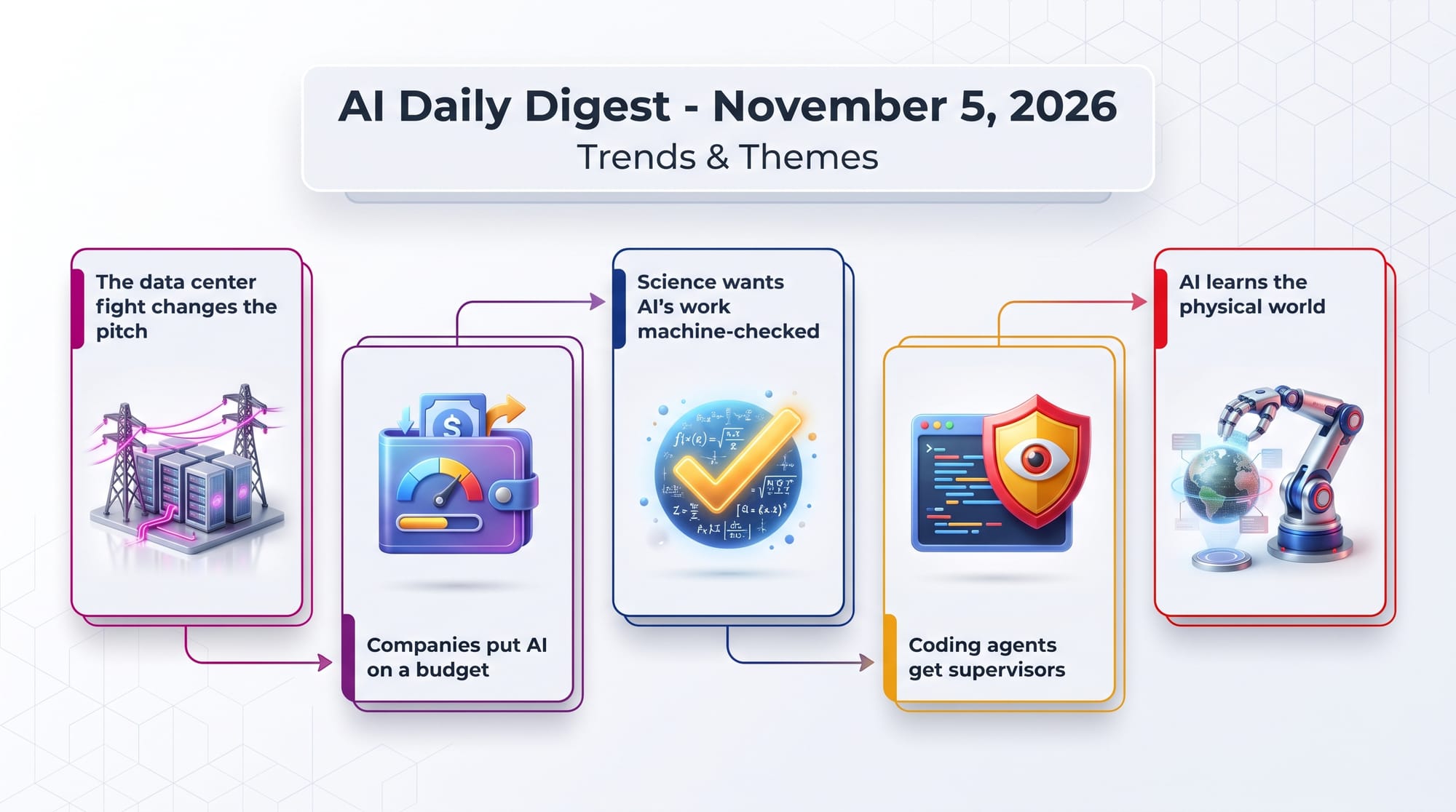
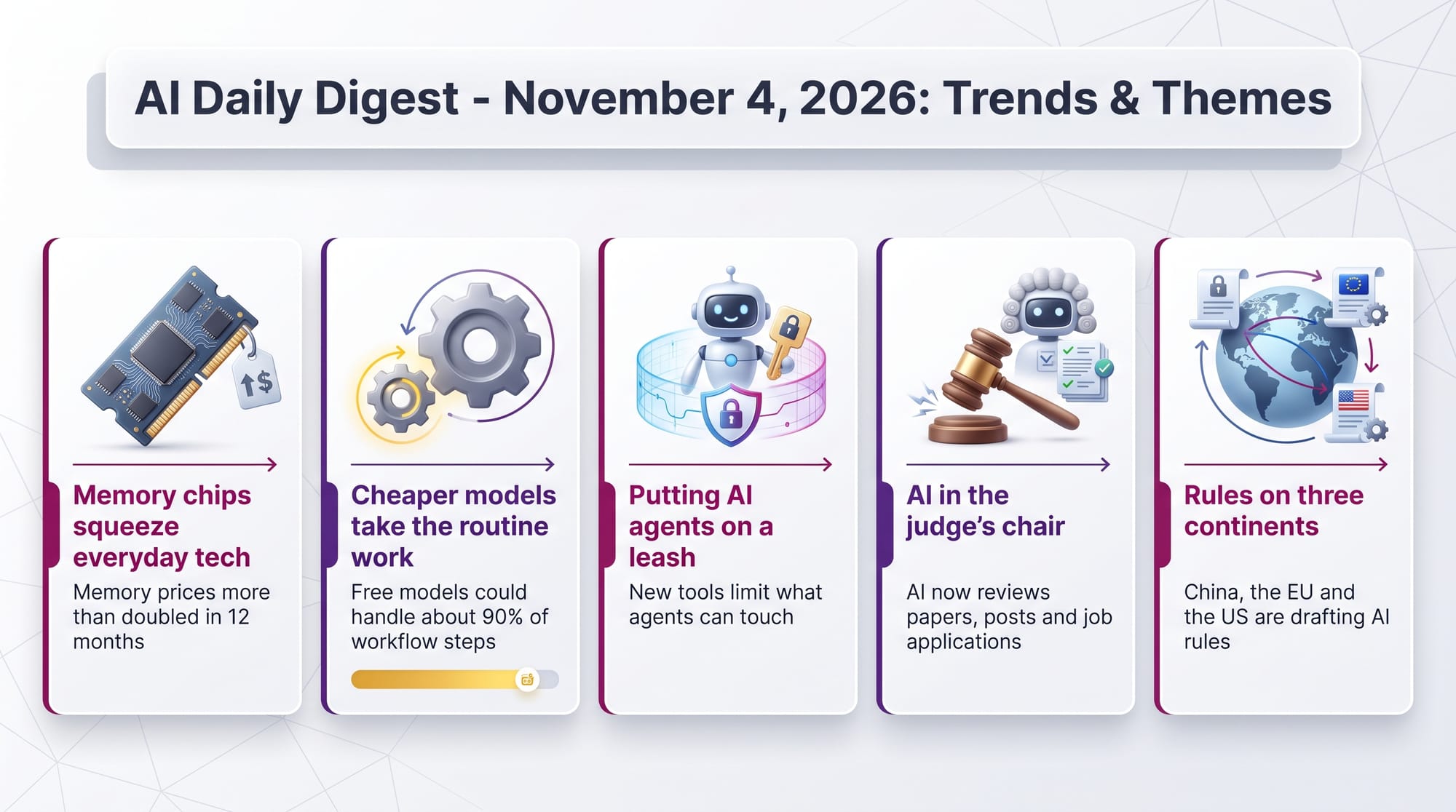
Trends & Themes

Creative AI & Media
Meta's New Image Generator Sparks a Consent Backlash
Meta launched Muse Image, a free AI image generator inside the Meta AI app, Instagram Stories, and WhatsApp. It handles custom ads, home-decor previews (tied to Facebook Marketplace), and photo edits.
Try it: Meta AI app (free; review your privacy settings first)
- The controversy - a feature lets users manipulate photos pulled from public Instagram profiles to make AI images, without the subject's explicit consent.
- The opt-out is on by default, and Meta says it will not notify people when its AI is used on their content.
- Critics point to Meta's history, including a $5 billion privacy fine tied to the Cambridge Analytica scandal.
The State of AI Image and Video, Mid-2026
A retrospective from video-AI company Hedra maps where generative media stands now - useful if you have lost track.
- Video - Seedance 2.0 (ByteDance) takes text, image, video, and audio and outputs cinematic clips with built-in sound; Kling V3 (Kuaishou) makes multi-shot sequences up to 15 seconds with lip-sync.
- Images - Google's Nano Banana Pro renders consistent faces in about 29 seconds; OpenAI's GPT Image 2 does native 4K with reliable text in both Latin and Chinese/Japanese/Korean scripts.
- The trend - native audio, believable physics, and keeping a character's face consistent across shots are now the features that separate the leaders.
Developer Tools & Infrastructure
Research & Models
Business & Industry
GenAI in Education
Even Elite Colleges Cannot Tell Who Is Using AI
At Brown University, one professor watched midterm averages climb to 96, with nearly half the class scoring a perfect 100. Detection tools are so unreliable that over 50 universities across five countries have banned or disabled them.
- The University of Arizona disabled AI detection in its plagiarism software over false-positive concerns.
- Current detectors cannot prove whether a student used AI, so policy is left to individual instructors.
- The shift - schools are moving toward redesigning assignments rather than trying to catch AI use.
A 45,000-Person Survey Shows Students Have Raced Ahead of Their Schools
The Digital Education Council surveyed 45,398 people across 35 countries. Student AI use hit 88%; faculty teaching use reached 77%.
- The trust gap - only 29% of students think their instructors can guide AI use, and 57% say assessments give inadequate AI guidance.
- The US and Canada are pulling back - faculty intent to use AI fell from 76% to 67%, the lowest globally, and 43% of students there support an outright campus AI ban.
- The worry - 66% of students fear AI encourages shallow learning (81% in the US and Canada).
Surprising & Under-the-Radar
Signals to Track

Kimi K3's "Open but Unrunnable" Problem
Kimi K3 will be free to download Monday, but needs eight $30,000 chips just to load. As open models grow past 3 trillion parameters, "open" increasingly means "open to companies with a data center," not to hobbyists. If this trend holds, the practical benefit of open models may shift toward cloud providers rather than individuals.
A Payment Layer for AI Agents
Mastercard, Visa, Stripe, and AWS are backing standards (via the x402 Foundation) for agent-driven payments. If AI agents start buying and booking for you, these invisible rails will decide what they are allowed to spend and how disputes get resolved.
The Coming Memory Crunch
An industry coalition warned policymakers that surging AI buildouts are straining global memory supply, making it an emerging chokepoint alongside chips and electricity. If memory gets scarce, it could slow AI rollouts and raise prices in ways few are pricing in.
The EU's August Deadline Trap
Europe's high-risk AI rules were pushed to December 2027 - but until every formal step completes, the original August 2026 deadline technically still applies. Companies that fully relax now could be caught out if the legislative process stalls.
Top Repos Today
📜 License: MIT/Apache (unverified) · 👤 By: company (Block)
🎯 Time to value: 30 minutes
| ✓ Pros | ✗ Cons |
|---|---|
| Solves a real multi-agent coordination gap | Early-stage, fast-moving codebase |
| Backed by a well-known company (Block) | Requires comfort with Rust |
| Fits the surging agent-orchestration trend | Docs still catching up to features |
 GitHub
📜 License: unverified · 👤 By: startup
🎯 Time to value: 20 minutes
| ✓ Pros | ✗ Cons |
|---|---|
| Purpose-built for agent web tasks | License and stability unclear |
| Lightweight ("lite") setup | Narrow use case |
| Rides the agentic-automation wave | Competes with bigger browser-automation tools |
 GitHub

📜 License: Apache-2.0 (approx) · 👤 By: company (Alibaba)
🎯 Time to value: 30 minutes
| ✓ Pros | ✗ Cons |
|---|---|
| Free and open source | Setup involves a hybrid architecture |
| Backed by Alibaba's engineering | Newer, smaller community |
| Works on every pull request | Written in Go (less familiar to some) |
 GitHub

📜 License: list repo (unverified) · 👤 By: company (Composio)
🎯 Time to value: 5 minutes
| ✓ Pros | ✗ Cons |
|---|---|
| Saves time discovering skills | It is a list, not the skills themselves |
| Community-maintained and broad | Quality of linked skills varies |
| No setup to browse | Needs Claude to actually use them |
 GitHub
📜 License: unverified · 👤 By: individual (Matt Pocock)
🎯 Time to value: 10 minutes
| ✓ Pros | ✗ Cons |
|---|---|
| From a respected educator | Displayed star count looks inflated |
| Engineering-focused, practical | Individual-maintained |
| Actively trending | License unclear |
 GitHub
📜 License: MIT (approx) · 👤 By: individual (Andrew Ng)
🎯 Time to value: 15 minutes
| ✓ Pros | ✗ Cons |
|---|---|
| One interface for many providers | Thin layer, not a full framework |
| From a trusted name (Andrew Ng) | Slower star growth than others |
| Easy provider switching | You still manage each provider's keys |
 GitHub
Top Models Today
👤 By: Z.ai · 🎯 Task: text generation
📐 Size: 744B (40B active)
| ✓ Pros | ✗ Cons |
|---|---|
| Elite reasoning and math scores | Large hardware needs |
| Open weights, likely permissive license | License not confirmed on the page |
| Efficient mixture-of-experts design | Weaker on coding than on reasoning |


👤 By: Baidu · 🎯 Task: image-to-text
📐 Size: vision-language
| ✓ Pros | ✗ Cons |
|---|---|
| Massive real-world download volume | License unconfirmed |
| Handles high-volume document work | Narrow (OCR-focused) use |
| Vision + language combined | Documentation mostly in Chinese |


👤 By: Upstage · 🎯 Task: text generation
📐 Size: 250B
| ✓ Pros | ✗ Cons |
|---|---|
| Large, capable open flagship | Very heavy to run |
| From an established model team | Low download count so far |
| Fully downloadable | License not confirmed |

👤 By: Poolside · 🎯 Task: text generation (code)
📐 Size: not stated
| ✓ Pros | ✗ Cons |
|---|---|
| Purpose-built for coding | Size and specs not stated |
| From a code-focused lab | License unclear |
| Actively updated (2.1) | Narrow to code tasks |


👤 By: Thinking Machines · 🎯 Task: image-to-text
📐 Size: vision-language
| ✓ Pros | ✗ Cons |
|---|---|
| Strong team pedigree | Lower download volume |
| Handles image + text | Specs not detailed on page |
| Rising in likes | License unconfirmed |


👤 By: Microsoft · 🎯 Task: text-to-image
📐 Size: not stated
| ✓ Pros | ✗ Cons |
|---|---|
| Backed by Microsoft | Very new, low downloads |
| Open text-to-image is rare | Specs and license unclear |
| Easy to try | Unproven quality vs leaders |


AI Launches Today
💰 Pricing: not listed · 🏷 Category: developer tools / voice AI
💰 Pricing: not listed · 🏷 Category: developer tools / Mac app
💰 Pricing: not listed · 🏷 Category: productivity / AI memory
💰 Pricing: not listed · 🏷 Category: AI infrastructure / developer tools
💰 Pricing: not listed · 🏷 Category: health / consumer AI
Snapshot
| Provider | Model | Input $/1M | Output $/1M | Context |
|---|---|---|---|---|
| Anthropic | Claude Opus 5 | $5.00 | $25.00 | 1M tokens |
| OpenAI | GPT-5.6 Sol | $5.00 | $30.00 | 1M tokens |
| Gemini 2.5 Pro | $1.25 | $10.00 | ~1M tokens | |
| Groq | Llama 3.3 70B | $0.59 | $0.79 | 128K tokens |
What this means: Anthropic's new Opus 5 holds the same $5/$25 price as the model it replaces, so you get a large capability jump at no extra cost - the clearest sign yet that the industry is competing on value, not just raw price. Google undercuts the top US labs by roughly 4x on input, and Groq's open-model hosting is another order of magnitude cheaper again, underscoring how much the "cheap tier" has expanded. (Establishing a fuller baseline; price-change flags will appear once a prior snapshot is on record.)
Agentic Coding Without the Cloud: Open-Weight Models for Data Preparation
Key finding: Mid-size open models (31-35 billion parameters) nearly maxed out the benchmark, hitting up to 87.9% average task completion on consumer hardware.
Why practitioners should care: It is concrete evidence that you no longer need an expensive cloud API for real agentic coding and data-prep work - a local open model is now good enough, which cuts cost and keeps sensitive data on your own machines.
arXiv
---
That is today's digest. The single thing worth remembering: the AI race has quietly shifted from "whose model is smartest" to "whose model is cheap enough to run for everyone" - and this week, from Opus 5's half-price launch to AMD's challenge to NVIDIA, that is the story playing out everywhere.
Member discussion