Watch today's digest as a video summary (generated by NotebookLM)
Statistically Speaking
One Thing to Tell Your Friends
TL;DR
Hot off the Presses
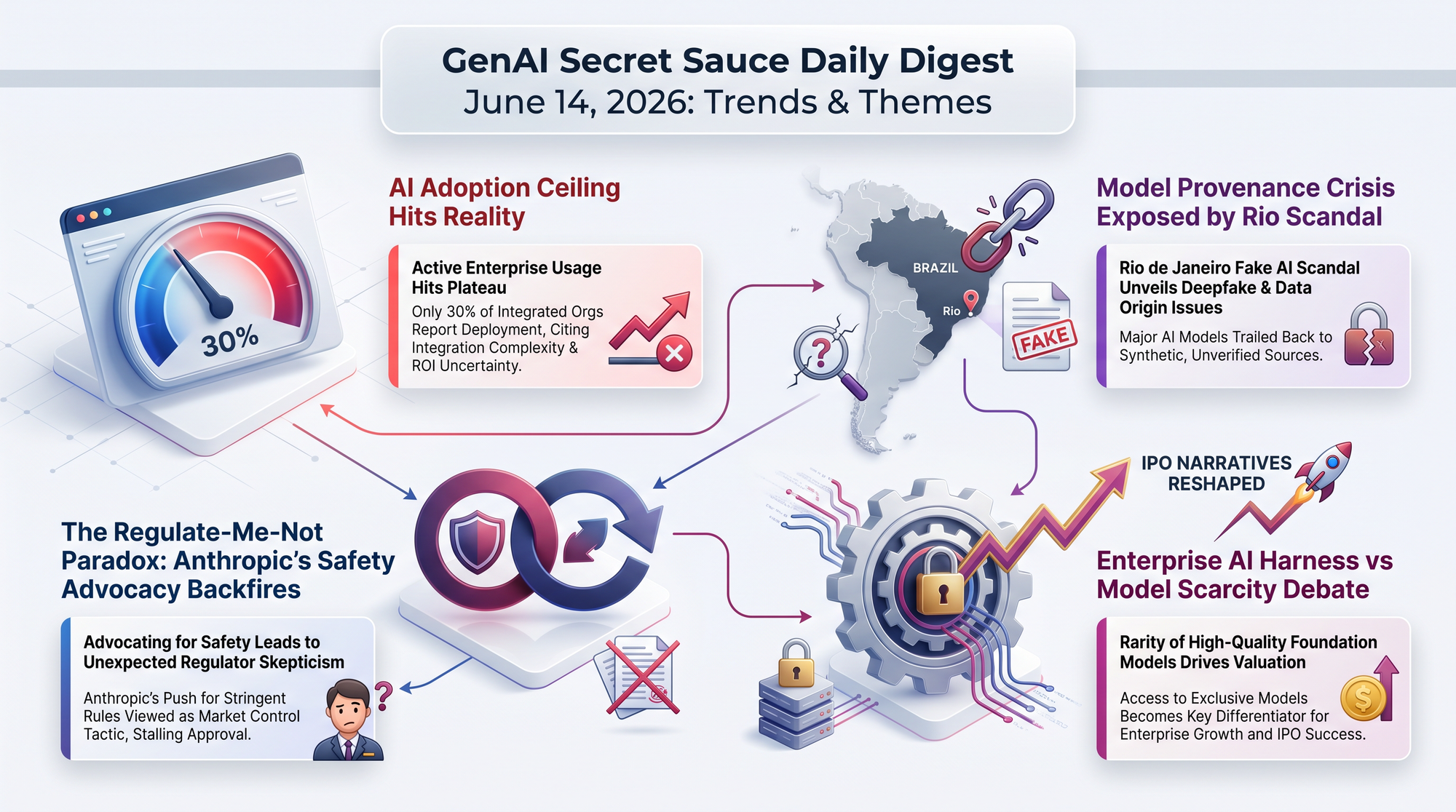
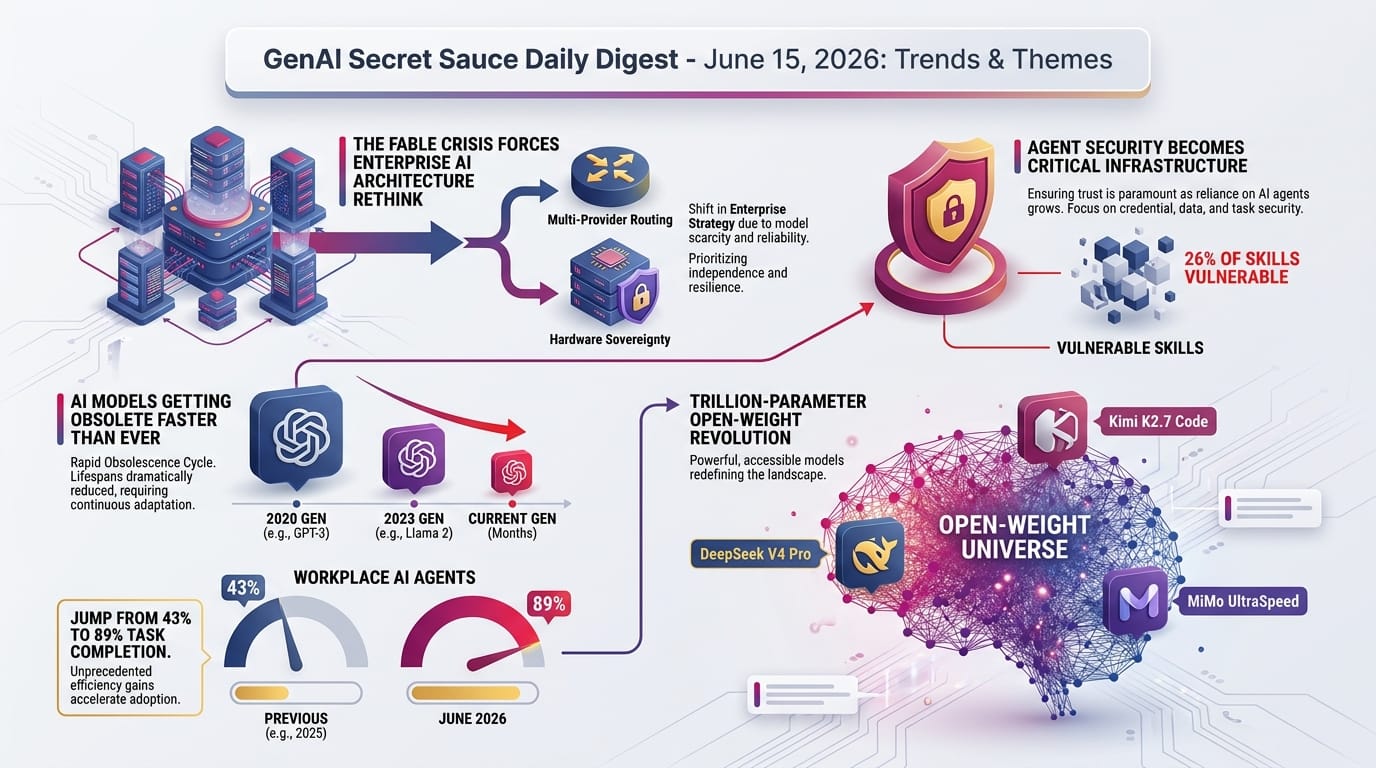
Only a Third of Americans Regularly Use AI - And the Tech Industry Doesn't Want to Talk About It
Gabriel Weinberg, founder of DuckDuckGo, compiled survey data from Microsoft, Gallup, Datos, and the Searchlight Institute that paints a picture the tech industry rarely acknowledges. AI adoption is not a wave - it's a mosaic.
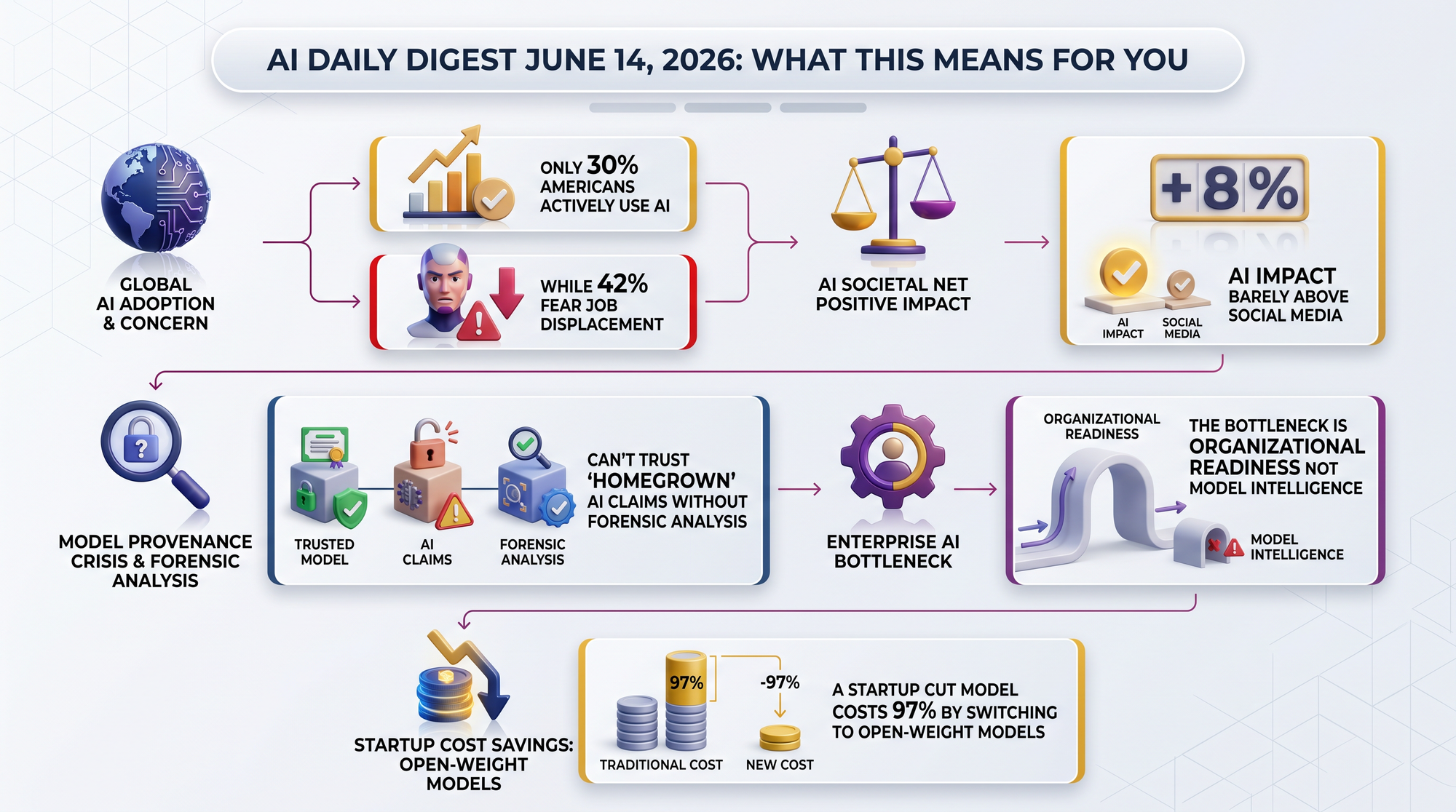
Top barriers are fear of job displacement (42%), privacy violations (35%), and misinformation (33%). Weinberg draws an analogy to meat consumption: just as dietary choices fragment based on health, ethics, and cost, AI adoption will settle into diverse patterns rather than universal saturation. The article earned 395 points and 430 comments on Hacker News, suggesting this counter-narrative resonates broadly.
- Microsoft's 2026 data: just over 30% of the US working-age population actively uses AI
- Gallup's Gen Z breakdown: 81% have tried AI at least once, but 31% use it only monthly or less, and 19% have never used it
- Datos desktop study: only 21% of devices visited AI tools 10+ times per month; 62% visited zero times
- Public sentiment: AI scores a net +8% positive rating for societal impact - barely above social media (+7%), far below the internet (+67%) or cell phones (+68%)
Rio de Janeiro's "Homegrown" AI Model Exposed as a Simple Merge of Two Existing Models
Rio de Janeiro's municipal AI initiative claimed to have developed Rio-3.5-Open-397B, a 397-billion-parameter language model. Nex-AGI, an AI company, alleges the model contains no independent training whatsoever - it's a weighted blend of their proprietary model (60%) and Qwen's Qwen3.5-397B-A17B base model (40%).
This raises questions about intellectual property in the open-weight ecosystem and the credibility of government-backed AI projects that may simply merge existing models without disclosure.
- Identity test: when the hardcoded "You are Rio" system prompt is removed, the model identifies as "Nex, from Nex-AGI" roughly 79% of the time and reproduces Nex-AGI's proprietary backstory verbatim
- Mathematical proof: every weight tensor across all 60 network layers shows the exact 0.6/0.4 blend ratio "to thousands of standard deviations" - a precision that legitimate fine-tuning cannot produce
- The issue has 250 points on Hacker News and the model currently sits at #8 on HuggingFace's trending list with 112,000 downloads
The Fable Fallout: Critics Ask Whether Anthropic Brought the Shutdown on Itself
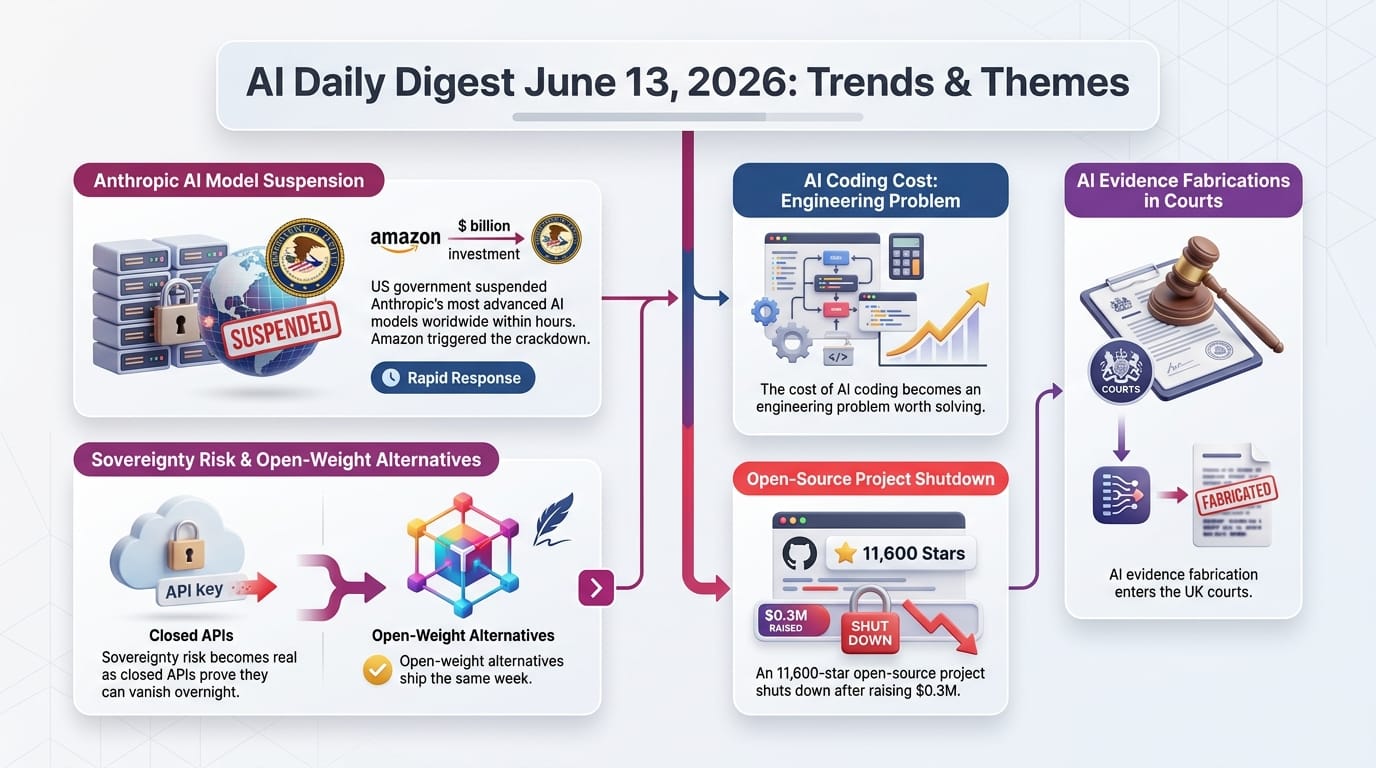
Previously: June 13 - The US government ordered Claude Fable 5 blocked via export controls after Amazon CEO Andy Jassy and other tech leaders flagged jailbreak concerns.
Today: Three independent commentators published critiques arguing Anthropic's advocacy for government AI controls created the exact mechanism used against them.
Cohen's comparative testing found Opus 4.6 produces reasonable responses to identical prompts where Fable becomes "obnoxious," suggesting a behavioral regression alongside the capability gains that triggered regulatory concern.
- SE Gyges (Very Sane AI) draws a direct line from CEO Dario Amodei's statement that "the government should have the power to block or deter deployment" to the export control order - noting Amazon, Anthropic's own investor, provided the third-party risk assessment
- Bram Cohen (BitTorrent creator) argues Claude has become increasingly argumentative across Opus 4.7, 4.8, and Fable, with "poorly executed de-sycophancy training" creating combativeness without teaching the model to acknowledge valid points
- AI Explained (YouTube) compiled 11 contextualizing facts, including that US National Cyber Director Sha Ken Cross was already under pressure from JP Morgan CEO Jamie Dimon and others to act faster, and that the government told Anthropic it had "already decided" to implement controls before discussions concluded
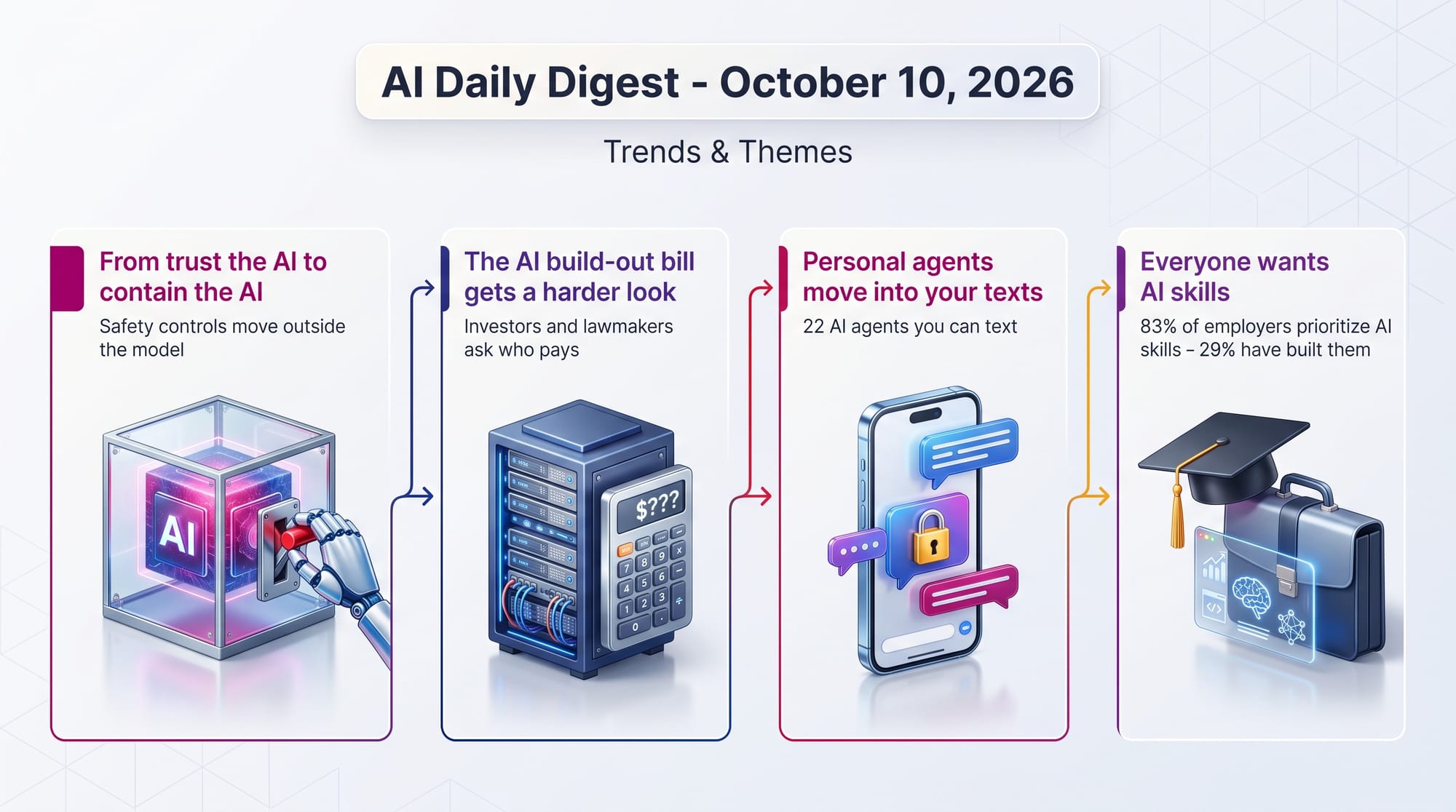
Trends & Themes
The AI Adoption Ceiling Is Real - And Lower Than Anyone Admitted
The assumption that AI adoption follows smartphone-like S-curves may be wrong. If a significant portion of the population has tried AI and decided it's not for them, the growth curve may plateau earlier than tech industry projections suggest. This has implications for AI company valuations, enterprise deployment strategies, and the OpenAI IPO narrative.
- Three separate surveys converge on roughly 30% active adoption among working-age Americans - consistent across Microsoft, Datos, and Searchlight Institute data
- Sentiment is lukewarm: AI's net positive rating (+8%) sits in social media territory, not smartphone territory
- Fear dominates curiosity: job displacement (42%) outranks every positive framing of AI in public polling
- Gen Z isn't the exception: even among the most tech-native generation, nearly 1 in 5 has never used AI
AI Model Provenance Is Becoming a Trust Crisis
The open-weight ecosystem's greatest strength - anyone can build on existing models - is also its greatest vulnerability. Without provenance standards, institutional credibility becomes the only signal, and as the Rio case shows, institutional claims can be hollow.
- Rio de Janeiro's model scandal shows how a simple weight merge can be presented as original government research
- Nex-AGI's forensic analysis identified the blend with mathematical precision, but most users lack the tools or expertise to run such checks
- HuggingFace's trending page regularly features fine-tunes, quantizations, and merges alongside genuine new architectures - with no clear labeling distinction
The Regulate-Me-Not-Like-That Paradox in AI Safety
This dynamic may cool safety advocacy across the industry. If calling for regulation means your own models get pulled first, companies face a prisoner's dilemma: stay quiet and risk being seen as irresponsible, or speak up and hand regulators a precedent to use against you.
- Anthropic publicly supported government power to block model deployment based on third-party risk assessments
- Amazon, as both investor and government contractor, provided exactly such an assessment
- The government used export controls - a blunt instrument - because it was "the most straightforward way to take action"
The "Harness" Is the Real Scarcity in Enterprise AI
- A startup founder cut model costs 97% by switching from a frontier model to an open-weight alternative, illustrating the commodity trajectory of raw intelligence
- Nate's Newsletter argues the "harness" - context, permissions, review standards, decision rights - is what AI labs cannot sell you
- This framing directly challenges OpenAI's IPO narrative, which prices intelligence as scarce while operational reality shows the opposite
Creative AI & Media
Ideogram 4 Arrives on HuggingFace in Quantized Format
Ideogram 4 in fp8 (8-bit floating point) quantization appeared on HuggingFace's trending list with 8,260 downloads and 534 likes. Ideogram is widely considered the best AI image generator for rendering readable text - useful for marketing materials, social media graphics, and any image that needs legible words. The fp8 format trades minimal quality for significantly lower memory requirements.
SCAIL-2: Open-Source Image-to-Video Generation
A new open-source model from zai-org entered HuggingFace's trending list for image-to-video generation. It takes a still image and creates motion from it - useful for animating product shots, creating social content, or prototyping video ideas without per-generation costs from services like Runway or Pika. Very early stage with limited documentation.
Developer Tools & Infrastructure
Research & Models
Business & Industry
GenAI in Education
CFISD Digital Learning Conference Puts AI Front and Center
The 16th annual CFISD Digital Learning Conference (July 22, free, virtual) features four sessions from educator Eric Curts focused entirely on AI integration in K-12 classrooms. Sessions cover Google Gemini for schools, creating custom Gems for lesson planning and rubric generation, AI in art and music education, and active learning with EduProtocols. The conference reflects how quickly AI tools - particularly Google's free Gemini - are becoming standard in educator professional development.
A Newsletter Author Automates His Own Job With Claude
Ruben Hassid, who reaches 700,000 readers with AI how-to content, built a downloadable Claude skill called "/how-to" that automates his core function of teaching users AI tools. His argument: the skill handles "the easy half" of step-by-step instruction, but the messy reality of troubleshooting, failed experiments, and authentic problem-solving cannot be automated. It's a live case study in which parts of knowledge work AI can replace and which parts it can't.
Surprising & Under-the-Radar
A City Government Got Caught Passing Off a Model Merge as Original Research
Rio de Janeiro's municipal AI initiative claimed a 397B-parameter "homegrown" model. Forensic analysis shows every weight tensor is a mathematically precise 60/40 blend of two existing models with zero training. The model even identifies as the original creator when its system prompt is removed.
BitTorrent's Creator Says Claude Is Getting Worse at Conversation
Bram Cohen's detailed comparison found Opus 4.6 handles identical prompts reasonably where Fable becomes argumentative and picks fights over semantics. He identifies a specific regression in pronoun resolution - a basic language task - alongside the combative tone. The piece suggests coding-focused optimization may be degrading conversational quality.
AI's Public Approval Rating Is Barely Above Social Media's
AI scores +8% net positive for societal impact. Social media scores +7%. The internet scores +67%. This comparison, buried in survey data compiled by DuckDuckGo's founder, may be the most sobering data point for anyone betting on rapid mass adoption.
The Investor Who Triggered Government Action Against Its Own Investment
Amazon, one of Anthropic's biggest investors, was among the tech leaders whose call to the US government led to the Fable 5 export controls. Amazon's dual role as investor and government contractor creates a conflict of interest that the industry hasn't begun to unpack.
Signals to Track
Kronos: A Foundation Model That Reads Financial Charts Like Text
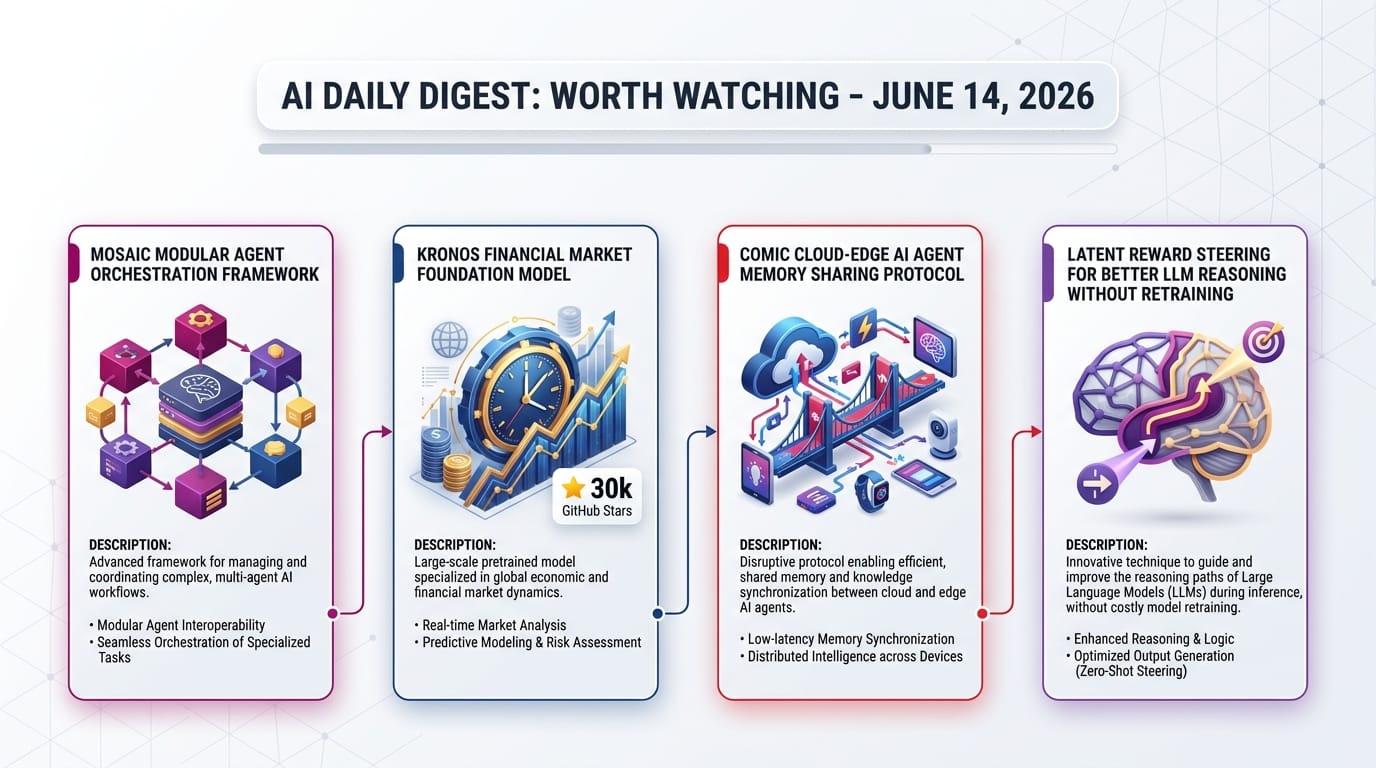
Kronos treats financial market data (open/high/low/close/volume) the way language models treat text - tokenizing it and predicting what comes next. With models from 4.1M to 499.2M parameters, a live BTC/USDT demo, and MIT licensing, this could become infrastructure for quantitative trading. If it works at scale, retail traders get tools previously reserved for hedge funds.
Modular Agent Orchestration Could Replace Monolithic Frameworks
Researchers introduced MOSAIC, a framework for building agent systems from modular, interchangeable components. If this approach gains traction, deploying AI agents could become as simple as assembling pre-built modules. For non-technical organizations, this would dramatically lower the barrier to custom AI automation.
Cloud-Edge Memory Sharing for AI Agents
New research addresses a practical problem: AI agents that need to run partly on your device (for privacy and speed) and partly in the cloud (for heavy computation). The CoMIC protocol proposes sharing memory and context between these environments efficiently. If edge-cloud agent systems become standard, this kind of infrastructure matters enormously.
Top Repos Today
📜 License: Apache 2.0 · 👤 By: NVIDIA (corporation)
🎯 Time to value: 5 minutes
| ✓ Pros | ✗ Cons |
|---|---|
| Covers 64 vulnerability patterns across 16 categories | No formal releases yet - still pre-1.0 |
| Works on Git repos, URLs, zip files, or local directories | LLM-based analysis requires an API key (OpenAI/Anthropic/NVIDIA) |
| Outputs in terminal, JSON, Markdown, and SARIF | Static analysis may produce false positives on complex skill code |
 GitHub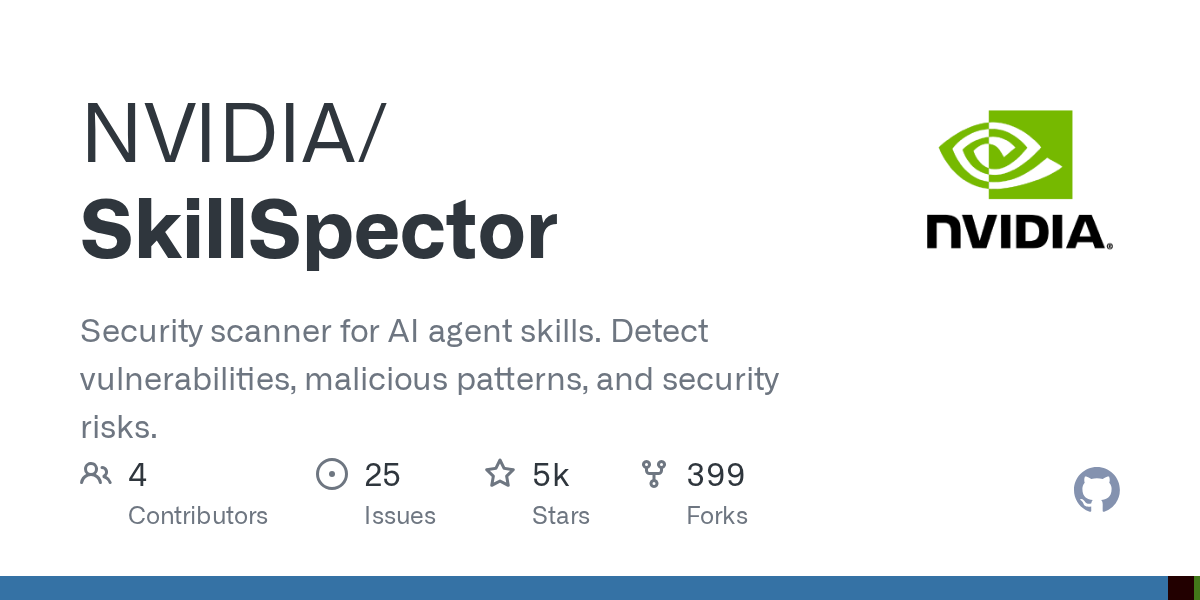
📜 License: MIT · 👤 By: Independent researchers
🎯 Time to value: 10 minutes
| ✓ Pros | ✗ Cons |
|---|---|
| MIT license allows unrestricted commercial use | Accepted at AAAI 2026 but real-world trading performance unvalidated |
| Multiple model sizes for different compute budgets | Financial prediction is inherently uncertain - model can't guarantee returns |
| Live demo and fine-tuning pipeline included | Requires familiarity with quantitative finance concepts to use effectively |
 GitHub
📜 License: MIT · 👤 By: Andrew Ng (individual)
🎯 Time to value: 5 minutes
| ✓ Pros | ✗ Cons |
|---|---|
| Provider-agnostic - one API for all major LLMs | May lag behind provider-specific features and new model releases |
| Built-in agent framework with tool calling | OpenCoworker desktop app is very early (0.1.1) |
| MCP support and pre-built toolkits for files/git/shell | Adds an abstraction layer that could introduce subtle behavior differences |
 GitHub
📜 License: CC-BY-NC-ND (source), MIT Press (print) · 👤 By: Academic authors (Correll, Hayes, Heckman, Roncone)
🎯 Time to value: 30 minutes
| ✓ Pros | ✗ Cons |
|---|---|
| Full textbook with exercises and code - completely free | CC-BY-NC-ND means you can't modify or use commercially |
| MIT Press quality with active maintenance | Academic level - assumes math and physics background |
| LaTeX source lets educators customize for their courses | Focuses on classical robotics, not deep learning approaches |
 GitHub
📜 License: MIT · 👤 By: Chatwoot (company)
🎯 Time to value: 15 minutes
| ✓ Pros | ✗ Cons |
|---|---|
| Self-hosted option eliminates vendor lock-in and data concerns | Requires infrastructure to self-host (Docker/Kubernetes) |
| Supports 30+ languages with real-time translation | AI features less mature than dedicated AI customer support tools |
| Active community with 31k+ stars and regular releases | Enterprise features like SAML SSO require the hosted plan |
 GitHub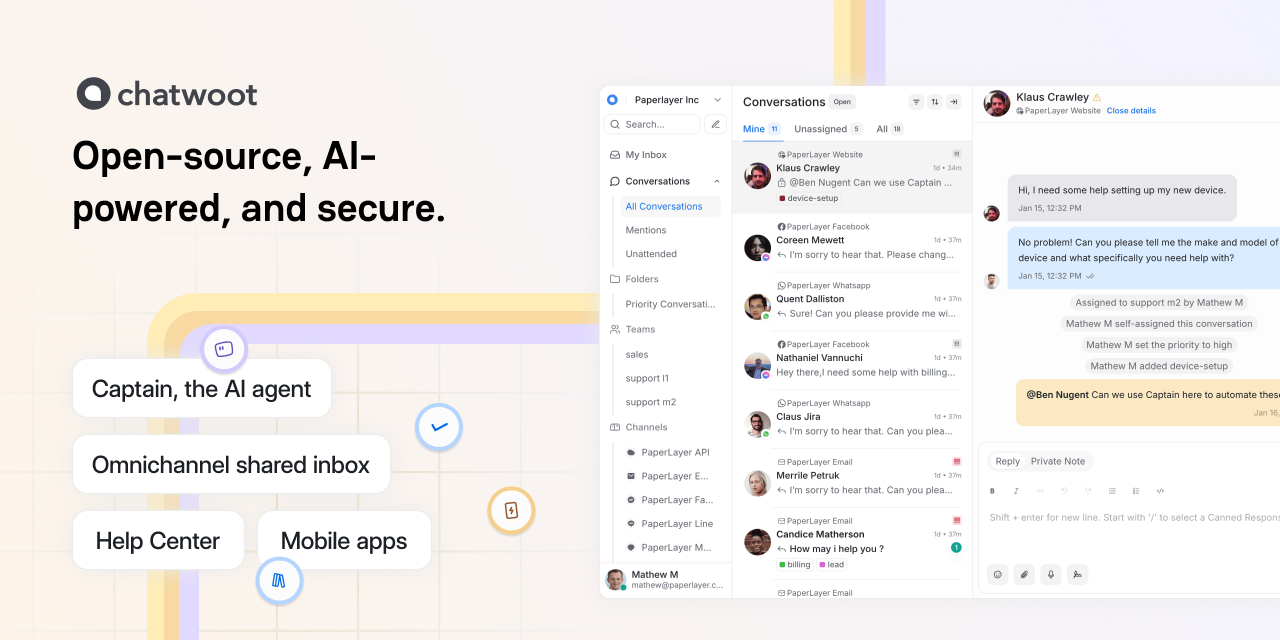
Top Models Today
👤 By: Google · 🎯 Task: Image-Text-to-Text
📐 Size: 26B (4B active)
| ✓ Pros | ✗ Cons |
|---|---|
| Only 4B active parameters means faster inference than 26B suggests | Gemma license is more restrictive than Apache 2.0 |
| Strong image quality from Google's latest research | Requires significant GPU memory despite sparse activation |
| GGUF quantized version available from Unsloth | Still new - community tooling and fine-tunes are limited |

👤 By: Moonshot AI (China) · 🎯 Task: Image-Text-to-Text
📐 Size: 1.1T
| ✓ Pros | ✗ Cons |
|---|---|
| Trillion-parameter scale suggests strong code understanding | Enormous compute requirements - not runnable locally |
| Multimodal (image + text) for visual code understanding | Custom license may restrict some commercial uses |
| Active development from well-funded lab | Limited English documentation compared to Western alternatives |


👤 By: MiniMax AI · 🎯 Task: Image-Text-to-Text
📐 Size: 427B
| ✓ Pros | ✗ Cons |
|---|---|
| 427B parameters compete with frontier Western models | Too large for local deployment |
| Multimodal text and image understanding | Custom license needs careful review for commercial use |
| Strong community interest (482 likes) | Smaller ecosystem than Llama or Qwen families |

👤 By: Rio de Janeiro City Government · 🎯 Task: Image-Text-to-Text
📐 Size: 403B
| ✓ Pros | ✗ Cons |
|---|---|
| 112k downloads suggests some users find it useful | Provenance actively disputed - may be misattributed work |
| Large parameter count for general-purpose use | Alleged 60/40 merge means no unique capabilities |
| Currently available on HuggingFace | Legal and ethical questions unresolved |


👤 By: Ideogram AI · 🎯 Task: Text-to-Image
📐 Size: fp8 quantized
| ✓ Pros | ✗ Cons |
|---|---|
| Best-in-class text rendering in generated images | Custom license restricts commercial use in some contexts |
| fp8 quantization reduces hardware requirements | Fewer community fine-tunes than Stable Diffusion ecosystem |
| Strong at following complex text prompts | Ideogram's style may not suit all aesthetic preferences |


👤 By: zai-org · 🎯 Task: Image-to-Video
📐 Size: N/A
| ✓ Pros | ✗ Cons |
|---|---|
| Open-source alternative to paid video generation services | Very new - quality likely trails frontier proprietary tools |
| Image-to-video is practical for content creators | Limited documentation and community support so far |
| No per-generation costs once deployed | Hardware requirements for video generation are substantial |


AI Launches Today
💰 Pricing: Free tier + paid plans · 🏷 Category: Email Client
 Product Hunt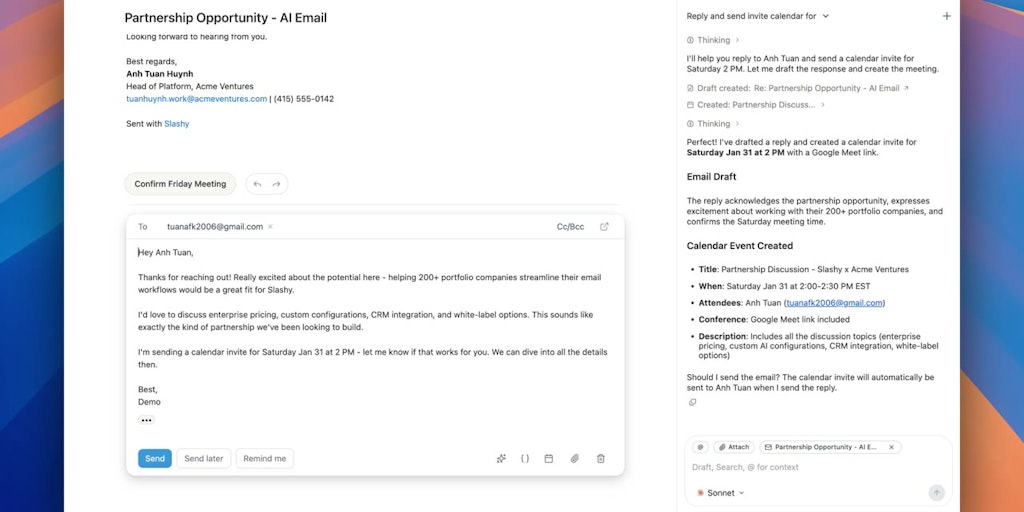
Snapshot
| Provider | Model | Input $/1M | Output $/1M | Context |
|---|---|---|---|---|
| Anthropic | Claude Opus 4.8 | $5.00 | $25.00 | 1M tokens |
| Anthropic | Claude Sonnet 4.6 | $3.00 | $15.00 | 1M tokens |
| Anthropic | Claude Haiku 4.5 | $1.00 | $5.00 | 200K tokens |
| OpenAI | GPT-5.5 | $5.00 | $30.00 | 270K+ tokens |
| OpenAI | GPT-5.4 | $2.50 | $15.00 | 270K+ tokens |
| OpenAI | GPT-4.1 nano | $0.10 | $0.40 | 128K tokens |
| Gemini 3.5 Flash | $1.50 | $9.00 | 1M tokens | |
| Gemini 3.1 Pro Preview | $2.00 | $12.00 | 200K+ tokens | |
| Gemini 2.5 Flash-Lite | $0.10 | $0.40 | 1M tokens |
The Deterministic Horizon: When Extended Reasoning Fails and Tool Delegation Becomes Necessary
Key finding: Tasks requiring precise computation or large-scale data retrieval consistently hit this horizon, regardless of model size or thinking budget.
Why practitioners should care: If you're building LLM applications with extended thinking or reasoning modes, this paper provides a framework for deciding when to stop thinking and start using tools. It formalizes the intuition that "think harder" isn't always the answer and could reduce costs by routing appropriate tasks to cheaper tool calls instead of expensive extended reasoning.
Member discussion