
On this page
Imagine your engineering team hitting 2x, even 3x velocity. Shipping features faster, crushing backlogs. Early results might look great: faster coding, quicker docs. But are you prepared for the hidden costs? The subtle security risks? The potential for AI to generate elegantly wrong solutions or mountains of technical debt? Ignoring GenAI governance isn't an option, it's an invitation to chaos. This article provides a clear, actionable roadmap, the 9 critical pillars of GenAI governance, designed specifically for engineering orgs. Let’s turn potential pitfalls into productivity.
Think of GenAI less like a vetted SaaS tool and more like hiring a brilliant, lightning-fast, but occasionally reckless junior engineer. You need to give them clear rules, watch their work closely, verify everything critical, and integrate them thoughtfully. Empowerment requires guardrails.
Why Governance Matters
Generative AI (GenAI) tools are rapidly finding their way into every corner of modern software development—pair‑programming copilots, test‑case generators, documentation bots, and even autonomous agents that weave together APIs. Early pilots can indeed double developer velocity, sometimes more. But poorly governed GenAI quickly turns into leaked secrets, duplicated and unmaintainable code, runaway cloud costs, regulatory violations, and hallucinated answers causing trust issues in production. The probabilistic nature of these tools introduces unique risks that standard SaaS governance doesn't fully cover.
For the product-level design of approval queues and safe modes, see Mission Control Safety.
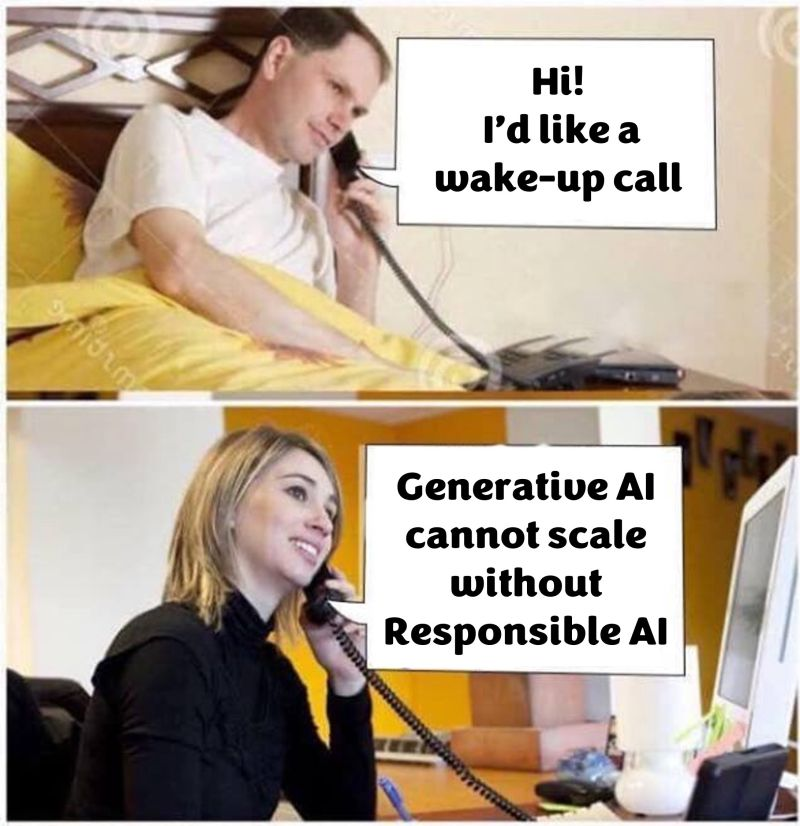
The good news: these risks are predictable and preventable with a proactive, holistic approach. This article distills nine critical governance challenges observed across dozens of engineering organizations and outlines pragmatic best practices any team can apply.
The 9 Pillars of Effective GenAI Governance
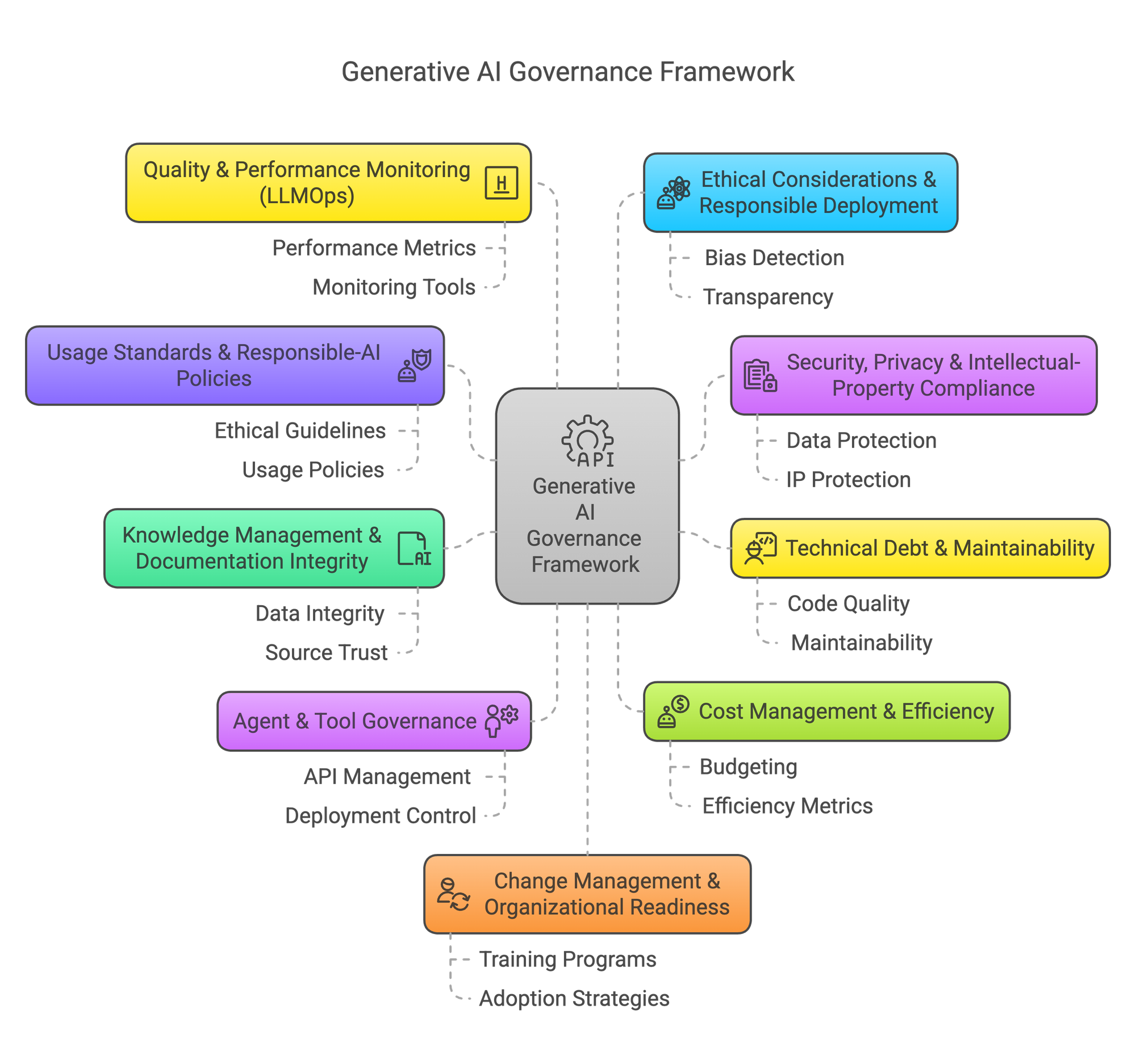
1. Usage Standards & Responsible‑AI Policies: Setting the Guardrails
Your developers are eager to experiment, but freedom without fences leads to accidents
- The Challenge: It's dangerously easy for smart developers, caught up in the power of GenAI, to make costly mistakes without clear boundaries. Feeding confidential code into public tools for a quick assist? Merging AI-generated patches without deep scrutiny? When directives are missing, you're inviting not just inconsistent results and ethical oversights, but potentially serious IP breaches and quality nightmares.
- Best Practices:
- Responsible‑AI policy — Write it down. This is foundational. Cover data‑handling rules (especially for sensitive/proprietary info), IP respect, bias avoidance guidance, ethical considerations, intended use cases, and mandatory levels of human review based on risk.
- Vetted Tools List — Provide a paved road of vetted GenAI services, models, and vendors. Assess vendors for their security, privacy, and ethical practices. Disallow direct calls to unapproved APIs or models.
- Central model gateway — Route every prompt through a proxy. This critical component logs usage, strips secrets (PII, credentials), injects context (like policy instructions or metadata), routes to appropriate models (cost/performance tiers), and enforces access controls.
- Training & awareness — Treat prompt hygiene and responsible AI usage like secure‑coding training: mandatory, recurring, and practical, using scenarios, examples of good/bad prompts, and potentially red‑team drills.
- Implementation Tips:
- Policy templates — Start with industry frameworks like the NIST AI Risk Management Framework (RMF) or ISO/IEC 42001 for AI governance standards, tailoring them to your specific context.
- Compliance verification — Implement automated checks (e.g., network monitoring, endpoint controls, CI/CD pipeline checks) to help ensure employees are using approved AI tools and adhering to policies.
- Regular policy updates — Review and update policies frequently (e.g., quarterly) as AI capabilities, use cases, regulations, and risks evolve rapidly.
2. Security, Privacy & Intellectual‑Property Compliance: Protecting Critical Assets
That handy AI chatbot doesn't care about GDPR, HIPAA, or your company's secret sauce
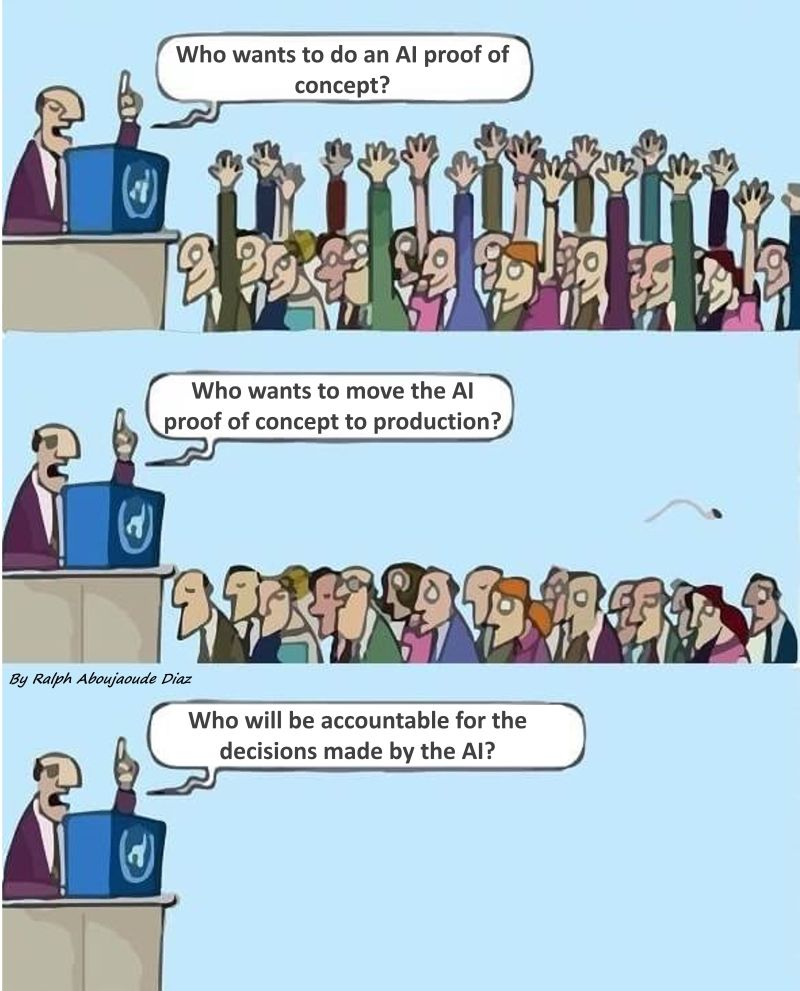
- The Challenge: That super-helpful AI coding partner? It doesn't care about GDPR, HIPAA, or your company's most guarded secrets. Encouraging teams to paste internal code, customer PII, or sensitive R&D data into external tools is like leaving the vault door wide open. You're not just risking regulatory fines that run into the millions, you're potentially handing competitors your secret sauce, violating user trust, and even baking copyrighted material or new vulnerabilities directly into your own products. How do you protect your critical assets in this new landscape?
- Best Practices:
- Data‑classification hooks & Minimization: Integrate with data classification systems to automatically block, anonymize, or pseudonymize high‑confidentiality data before it leaves the trusted environment (VPC/on-prem). Emphasize collecting/processing only necessary data. Prefer on‑prem or private‑cloud models for the most sensitive workloads.
- Encryption & auth everywhere — Signed requests, mTLS, role‑based API keys per team/application. Apply zero-trust principles to AI service access.
- IP review workflow — Humans (and automated scanners) must check AI-generated assets (code, documentation, images) for potential plagiarism, license compliance issues (e.g., GPL contamination), and embedded biases before production release or distribution. Integrate these checks into code reviews and CI/CD pipelines.
- Content‑safety filters — Moderate inputs and outputs for toxicity, hate speech, PII leakage, prompt injection attacks, or other policy‑violating text using dedicated safety models or services.
- Regulatory Considerations:
- Regional compliance — Map your AI governance controls specifically to applicable regulatory requirements (e.g., EU AI Act risk tiers, GDPR data subject rights, CCPA consumer rights).
- Data sovereignty — Implement region-specific data processing and storage rules, particularly crucial for global organizations.
- Industry-specific rules — Apply additional, stringent safeguards if operating in regulated industries like healthcare (HIPAA), finance (GLBA), or government (FedRAMP).
3. Technical Debt & Maintainability: Ensuring Long-Term Code Health
GenAI writes code in seconds. Fantastic! But is it code you can actually live with long-term?
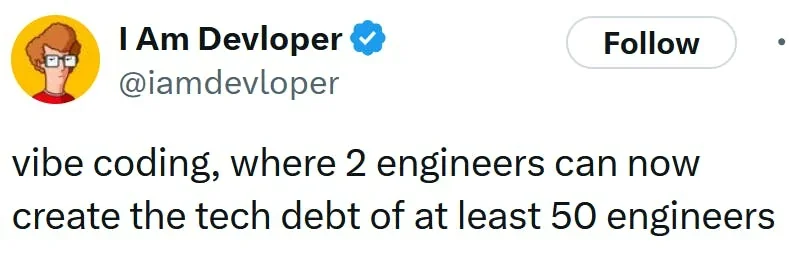
- The Challenge: The speed is intoxicating! GenAI tools churn out code faster than ever, promising huge productivity leaps. But wait, is that code a solid foundation or quicksand? AI can easily generate verbose, subtly flawed, or insecure code that passes basic tests today but becomes a maintenance nightmare tomorrow. Think of it as accumulating technical debt at hyper-speed. How do you harness GenAI's velocity without crippling your codebase's long-term health, readability, and security?
- Best Practices:
- AI‑aware code reviews — Require reviewers to specifically flag and scrutinize large or critical AI‑generated code blocks. Demand adequate tests, documentation, and justification for the chosen AI approach vs. alternatives. Establish clear standards for accepting AI code.
- Static analysis & security scans — Treat AI code like intern code: Apply rigorous linting, SAST, DAST, and fuzz testing. Tune static analysis rules to catch common AI-generated anti-patterns.
- Prototype vs. prod line distinction — Allow free‑form GenAI use in spikes or non-production branches, but gatekeep merges into main/production branches behind strict quality checks and potentially explicit refactoring tickets.
- Refactoring budget — Reserve dedicated sprint capacity (e.g., 10-15%) to proactively pay down technical debt introduced by AI, just as you would for human-generated debt.
- AI Code Quality Metrics:
- AI attribution tracking — Tag or otherwise identify code sections generated or significantly modified by AI. This allows monitoring their specific performance, bug rates, and maintenance costs over time.
- Complexity analysis — Monitor standard metrics like cyclomatic complexity, code churn, and maintainability indexes specifically for AI-generated contributions.
- Test coverage requirements — Enforce potentially higher test coverage ratios (e.g., aiming for 80%+) for components heavily reliant on AI-generated code, given the potential for subtle errors.
- (Consider) Automated refactoring tools — Explore AI-assisted refactoring tools to help clean up verbose or non-standard AI-generated code before merging.
4. Knowledge Management & Documentation Integrity: Trusting AI Sources
Your internal knowledge bot is only as good as the info it's fed. Garbage in, garbage (but confidently stated) out
- The Challenge: Everyone wants that brilliant internal chatbot, the instant expert on company knowledge. But what happens when its "knowledge" comes from siloed, outdated, or duplicated documents? You get AI that confidently serves up wrong answers, contradicts itself, and ultimately erodes user trust faster than you can build it. Relying on stale information fed into Retrieval-Augmented Generation (RAG) isn't just ineffective, it actively creates confusion and undermines the tool's value. How do you keep your AI's knowledge base trustworthy, current, and genuinely helpful?

- Best Practices:
- Single source of truth (SSOT) — Centralize critical documentation and knowledge in a well-maintained, version-controlled, and searchable repository coupled with a vector index for RAG. Use RAG to provide current context instead of relying on static embeddings within prompts or models.
- Version metadata & TTLs — Store crucial metadata like "last‑updated" timestamp, owner, source, and confidence level with every document chunk in the vector store. Warn users (or refuse to answer) if the underlying information source is older than a defined threshold (Time-To-Live).
- Auto‑refresh pipelines — Hook documentation edits (e.g., via Git commits, CMS updates) to trigger automated re-embedding and re-indexing jobs, ensuring the AI's knowledge base stays fresh.
- Duplication scanners — Use AI itself (e.g., semantic similarity) to periodically scan for near‑identical documents or knowledge chunks and flag them for consolidation or clarification.
- Knowledge Integration Strategies:
- Hybrid human-AI maintenance — Assign clear ownership for documentation domains to teams, with AI assistants potentially helping flag outdated, conflicting, or missing content.
- Schema enforcement — If possible, standardize knowledge chunks with mandatory metadata fields (e.g., owner, expiration date, verification status, confidence level) to improve quality and searchability.
- Cross-reference validation — Where feasible, implement systems that check for consistency of key information across related documents within the knowledge base.
- Feedback loops — Actively track user interactions (e.g., thumbs up/down, explicit feedback) with AI knowledge systems to identify gaps, inaccuracies, and common misconceptions, feeding this back to maintainers.
5. Agent & Tool Governance: Managing Autonomous Actions
Giving AI agents keys to your kingdom (APIs, deployments) is powerful, but unsupervised power is dangerous
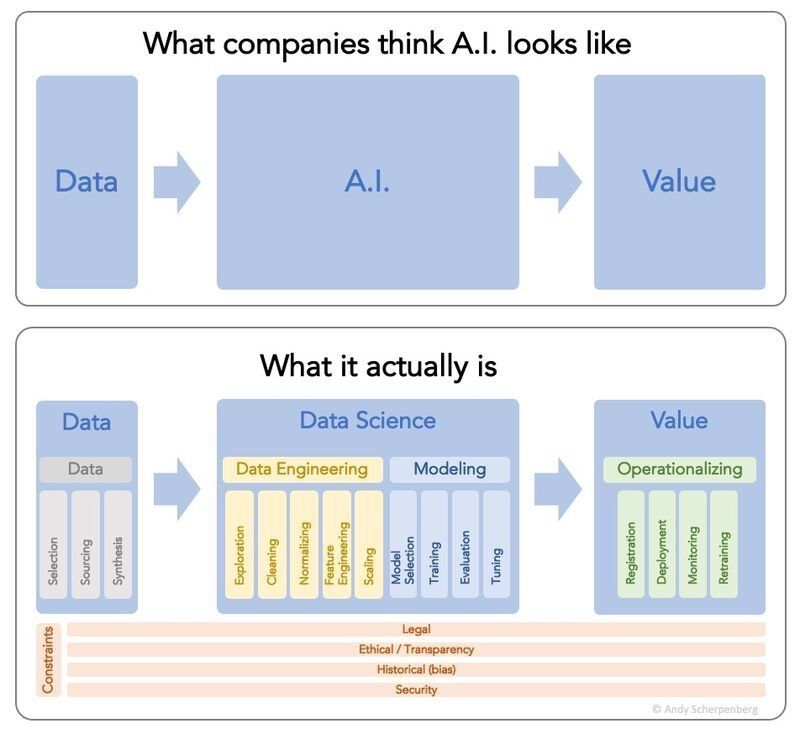
- The Challenge: Imagine AI agents not just suggesting code, but merging it, triggering deployments, spinning up infrastructure, or even paging your on-call engineers. The power is immense, but so is the risk. Without tight controls, these autonomous agents can get stuck in costly loops, misinterpret instructions, exceed API limits, access systems they shouldn't, or simply execute flawed logic at machine speed. How do you grant AI the power to act without letting it run wild and cause operational disasters or duplicate efforts across teams?
- Best Practices:
- Centralized Tool Registry — Maintain a catalog with a clear schema, designated owner, required authorization level, risk assessment, usage logging requirements, and deprecation status for every function or API (a "tool") that an AI agent can invoke.
- Least‑privilege scopes — Grant agents access only to the specific subset of tools absolutely necessary for their intended function. Require human-in-the-loop approval (potentially multi-stage) for high-risk or destructive actions (e.g., deleting resources, production deployments).
- Full audit trail — Log every single tool invocation meticulously, including the calling agent, the tool called, input parameters, timestamp, and the outcome (success/failure/error). Ensure logs are secure and retained appropriately.
- Simulation & Scenario tests — Run incident‑drill scenarios and integration tests in CI/CD or sandbox environments to ensure agents follow expected procedures (runbooks) and handle errors gracefully before deploying them to production.
- Advanced Agent Controls:
- Rate limiting & Quotas — Implement tiered rate limits on tool usage per agent or per user to prevent cascading failures, denial-of-service impacts, or unexpected cost explosions.
- Approval workflows — Create configurable human-in-the-loop approval steps for high-risk actions, potentially based on defined cost thresholds, target environments, or action types.
- Agent sandboxing — Develop and test new agent capabilities or complex tool chains in isolated environments that mimic production but prevent real-world impact.
- Circuit breakers — Implement automatic shutdown mechanisms that disable an agent or specific tools if they exceed predefined error rates, resource usage limits, or duration thresholds.
6. Cost Management & Efficiency: Controlling AI Spend
It's easy to love GenAI's capabilities. It's less easy to love the five-figure bill that follows unchecked usage.
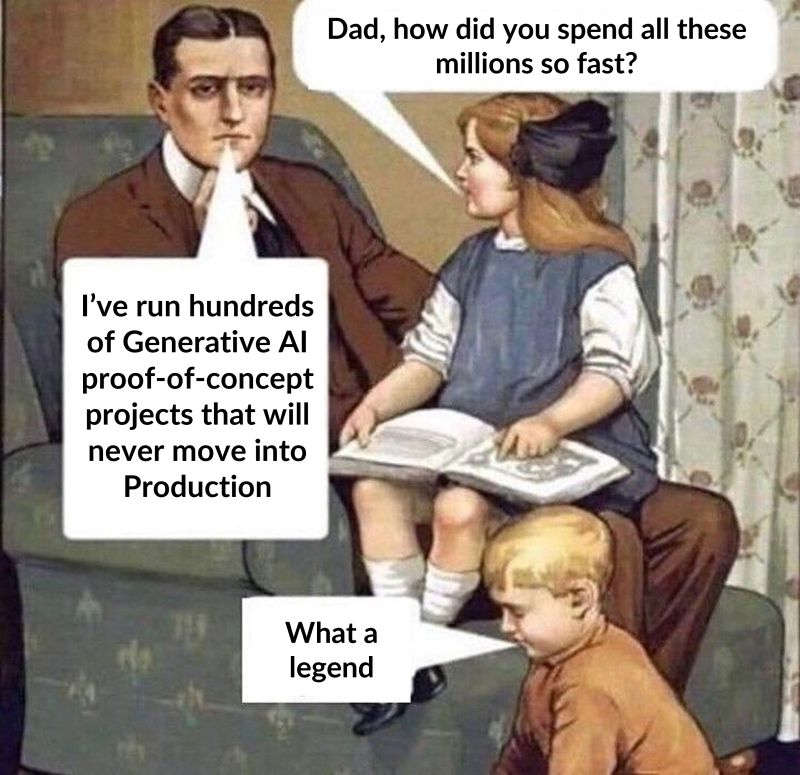
- The Challenge: It starts innocently: a cool new AI feature here, a helpful chatbot there. Usage feels frictionless, almost magical. Then the bill arrives, and it's... breathtaking. GenAI costs, often tied to token counts for both input and output, can scale exponentially and unpredictably. Inefficient prompts, overly chatty bots, unchecked developer experiments, or popular features can quickly transform a minor expense into a major budget crisis. How do you foster innovation and adoption without letting GenAI costs spiral out of control?
- Best Practices:
- Cost dashboards & chargeback/showback — Track spend per team, project, application, or even per user. Make costs visible. Alert automatically on significant spikes or when budgets are approached. Implement mechanisms to attribute costs back to originating teams.
- Model‑tier routing & Optimization — Default to cheaper, faster models (or smaller fine-tuned versions) for simpler tasks. Intelligently auto‑escalate to premium, more powerful models only when necessary based on complexity, confidence scores, or user choice.
- Prompt hygiene & RAG optimization — Train users on concise prompting. Optimize RAG systems to retrieve only the most relevant 2‑3 paragraphs or data points needed, not entire lengthy documents.
- Batching, caching, and distillation — Aggregate offline jobs for batch processing where possible. Cache responses for deterministic prompts/queries. Explore model distillation to create smaller, specialized, cheaper-to-run models from larger ones for specific high-volume tasks where feasible.
- Economic Optimization Strategies:
- ROI measurement — Implement trackers that attempt to measure productivity gains (e.g., reduced task time, increased code commits) or value created against the associated AI costs.
- Tiered access models — Consider creating different service tiers (e.g., basic access vs. power user with premium models) based on business criticality, user roles, or team budgets.
- Self-hosted / Private Cloud alternatives — Continuously evaluate the cost-benefit of using open-source models hosted on-premises or in a private cloud for high-volume, predictable, or highly sensitive workloads compared to public APIs.
- Usage quotas & Budgets — Assign token budgets or usage quotas per team or project, potentially with approval workflows required for budget increases.
7. Quality & Performance Monitoring (LLMOps): Ensuring Reliable Outputs
The AI model that worked perfectly last month might start spewing nonsense tomorrow. Are you watching?
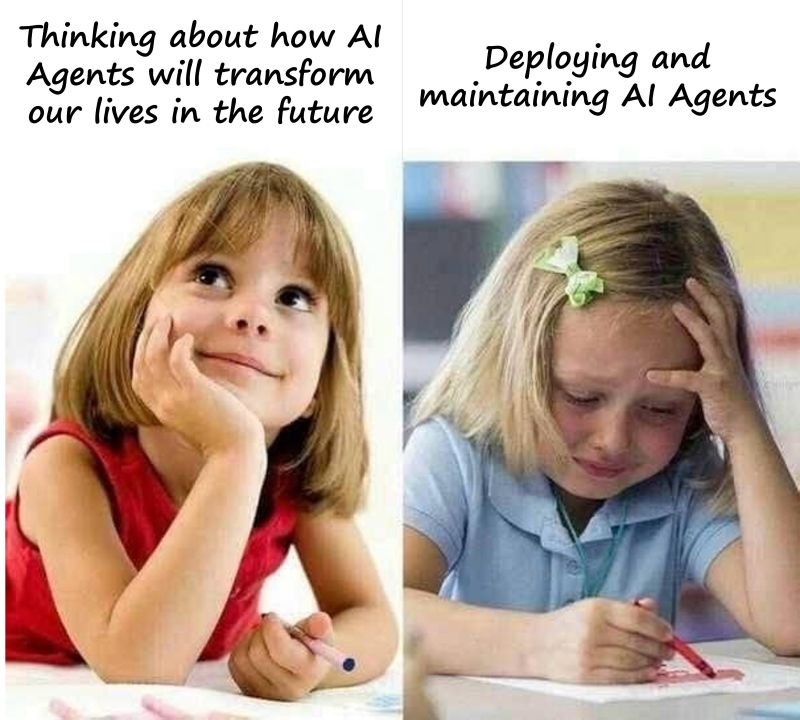
- The Challenge: That amazing AI feature you launched last quarter? It might be silently degrading. Large models get updated by vendors, prompt effectiveness can decay, and subtle shifts in user queries can lead to unexpected results. Yesterday's accurate summary might become tomorrow's hallucination. A helpful answer could turn evasive or biased. Relying on "set it and forget it" for GenAI is a recipe for failure. How do you ensure consistent quality and performance when the underlying technology is constantly evolving, often opaquely, and regressions might only surface when users start complaining?
- Best Practices:
- Golden test sets & Regression Suites — Maintain benchmark prompts covering critical use cases with known, high-quality expected answers or characteristics. Run these regression suites automatically on every significant model or prompt change, and potentially on a regular schedule (e.g., nightly).
- Automated scoring + human spot‑checks — Mix automated metrics (e.g., BLEU/ROUGE for summarization, ROUGE-L, BERTScore for semantic similarity, factuality checks against ground truth, toxicity scores) with regular reviews of sample outputs by subject matter experts (SMEs) or through user feedback mechanisms.
- Prompt & model version control — Git‑track everything: prompts, system messages, model configurations, evaluation datasets, and results. Implement robust experiment tracking. A/B test changes in shadow mode or via canary releases before full rollout.
- Real‑time metrics & Anomaly Detection — Monitor key operational and quality indicators in real-time: latency, token usage per call, refusal rates, response length, content safety flags, automated quality scores. Set up alerts for significant anomalies or drifts from established baselines.
- Advanced Evaluation Frameworks:
- Synthetic data generation — Consider using AI itself to create diverse and challenging test scenarios, including edge cases and adversarial inputs, to probe model robustness more thoroughly.
- Adversarial testing / Red Teaming — Implement specific exercises (manual or automated) designed to intentionally find vulnerabilities, biases, or failure modes in the AI systems (e.g., prompt injection, eliciting harmful content).
- Multi-dimensional scoring — Evaluate AI outputs holistically across multiple dimensions relevant to the use case, such as factuality/accuracy, coherence/readability, helpfulness/relevance, harmlessness/safety, and fairness/bias.
- Continuous benchmarking — Regularly compare the performance of your deployed models against industry benchmarks, newer model versions, or alternative models to ensure competitiveness and identify opportunities for improvement.
8. Ethical Considerations & Responsible Deployment: Building Trustworthy AI
AI reflects its training data, biases and all. Building trust means actively building fairness and transparency.
- The Challenge: GenAI models are trained on vast datasets reflecting the best and, unfortunately, the worst of the internet. Without careful guidance, they can easily perpetuate harmful stereotypes, generate biased or discriminatory outputs, create plausible-sounding misinformation, or make decisions that lack fairness and transparency. Simply deploying powerful AI isn't enough, you have a responsibility to ensure it operates ethically. How do you proactively identify and mitigate these risks to build AI systems that are not just intelligent, but also fair, accountable, and worthy of user trust?
- Best Practices:
- Ethics review boards / Consultations: Establish cross-functional committees or clear processes involving ethics, legal, risk, and domain experts to evaluate high-risk AI applications before development and deployment.
- Bias detection & Fairness Audits: Implement automated tools and manual review processes specifically designed to detect and mitigate unfair outcomes across protected characteristics (race, gender, age, etc.) in both training data (if applicable) and model outputs. Conduct periodic fairness audits.
- Transparency documentation & Explainability: Create accessible documentation ("AI System Cards," "Model Cards") that outlines intended use cases, limitations, known risks, training data characteristics (where possible), and evaluation results. Strive for explainability (understanding why an AI produced a certain output) where feasible, especially for debugging and accountability.
- Accessibility standards: Ensure AI-powered tools and interfaces meet relevant accessibility requirements (e.g., WCAG) so they don't create new barriers for users with disabilities.
- Environmental impact tracking: Be mindful of the energy consumption associated with training and running large models. Monitor and seek opportunities to optimize for environmental sustainability where practical.
- Clear user communication: Be transparent with users when they are interacting with an AI system. Provide mechanisms for users to report concerns or problematic outputs.
9. Change Management & Organizational Readiness: Enabling Adoption
The best AI tools are useless if your team is scared, confused, or untrained. Adoption is a human challenge
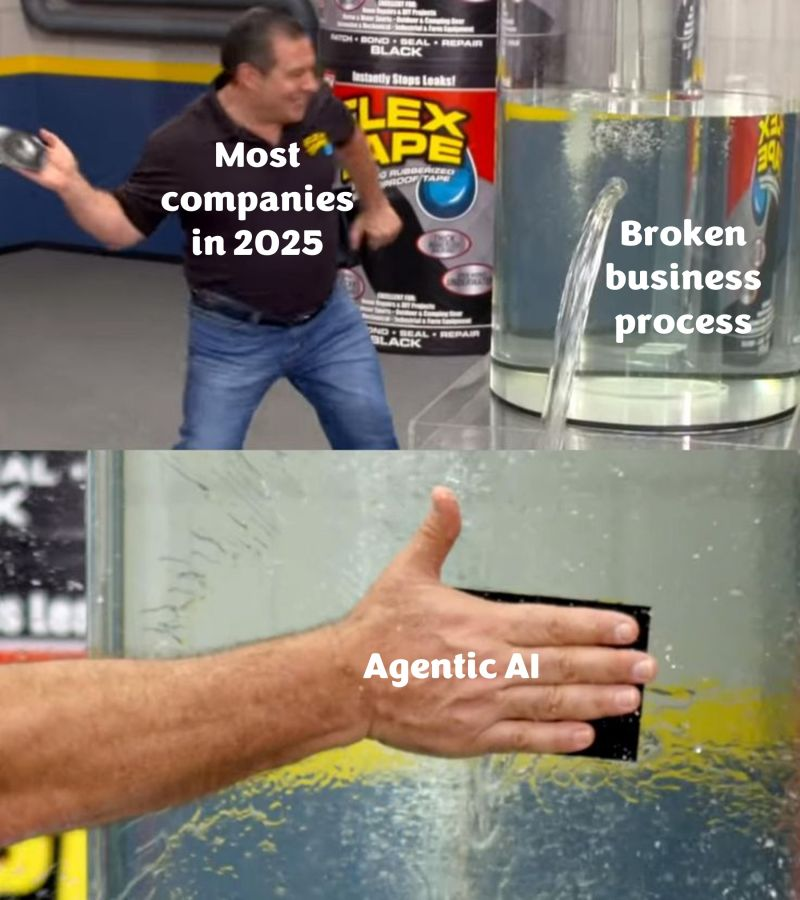
- The Challenge: You've got the vision, maybe even the budget and the tools. But deploying GenAI effectively isn't just about tech, it's fundamentally about people. If your teams are hesitant, untrained, unsure how GenAI fits into their workflow, or even fearful of its impact, adoption will stall. The most brilliant governance framework or cutting-edge model is useless if the culture isn't ready. How do you bridge the gap between technological capability and organizational readiness, fostering the skills, trust, and enthusiasm needed for GenAI to truly take root and deliver value?
- Best Practices:
- Strategic Communication & Vision: Clearly articulate the "why" behind GenAI adoption, linking it to tangible business benefits and addressing employee concerns (e.g., job impact) openly and honestly.
- Skills assessment & Transformation: Map existing engineering and related capabilities against future needs (e.g., prompt engineering, AI evaluation, ethics assessment, LLMOps). Invest strategically in targeted training, reskilling, and potentially hiring.
- AI champions network: Cultivate and empower internal advocates and early adopters across different departments to share knowledge, evangelize best practices, provide peer support, and drive grassroots adoption.
- Clear career paths & Role Definition: Define how AI skills and responsibilities integrate into existing engineering roles and career ladders. Clarify expectations and potentially create new specialized roles as maturity increases.
- Executive alignment & Sponsorship: Secure visible, consistent buy-in and active sponsorship from leadership, reinforced by clear success metrics that tie AI initiatives to measurable business outcomes.
- Phased rollout strategy & Feedback Loops: Implement AI tools incrementally, starting with lower-risk, high-value use cases. Define clear success criteria, gather extensive user feedback at each stage, and iterate rapidly before broader deployment.
Laying the Technical Foundation
Implementing these practices often relies on shared technical infrastructure:
Maturity Model: Where Are You?
Quick‑Start Checklist
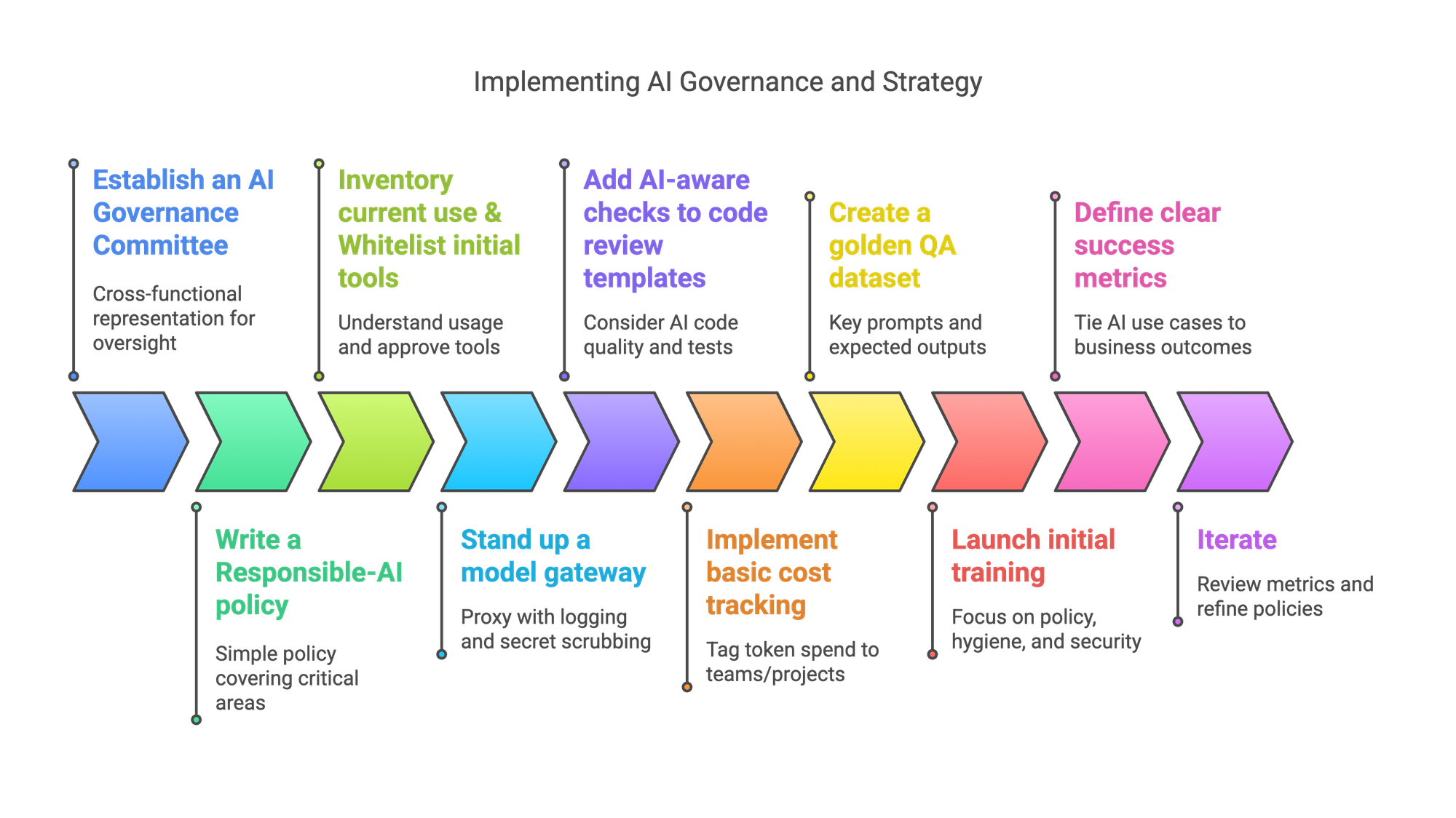
- Establish an AI Governance Committee: Cross-functional representation (Eng, Sec, Legal, Product, Risk, Ethics).
- Write a Responsible‑AI policy: Start simple (1 pager is better than none), covering critical areas like data handling, IP, and human oversight.
- Inventory current use & Whitelist initial tools: Understand current usage, approve a limited set of tools/vendors, block everything else by default for now.
- Stand up a model gateway: Even a simple proxy with logging and basic secret scrubbing is a huge step.
- Add AI‑aware checks to code review templates: Explicitly ask reviewers to consider AI code quality, tests, docs.
- Implement basic cost tracking: Tag token spend back to teams/projects and publish the leaderboard or dashboard.
- Create a golden QA dataset: Start small with key prompts/expected outputs and schedule nightly/regular evaluations.
- Launch initial training: Focus on the new policy, prompt hygiene, and security risks.
- Define clear success metrics: Tie GenAI use cases and governance efforts to tangible business outcomes.
- Iterate: Review metrics weekly/monthly, refine prompts/policies, enhance tooling, pay down AI-introduced debt.
Conclusion
Governance is not bureaucracy meant to slow developers down, it is the essential seatbelt and control system that lets you drive faster and safer in the era of Generative AI. By embedding thoughtful guardrails into your pipelines, policies, culture, and shared tooling, engineering teams can effectively scale GenAI adoption, reaping its substantial speed and creativity benefits while managing the inherent risks.
Start small with foundational controls, measure continuously, foster a culture of responsible experimentation, and treat your models and AI systems like any other critical system: tested, monitored, secured, and cost‑controlled. Do that, and GenAI becomes a powerful force multiplier for your engineering organization, not a hidden liability. The most successful organizations will view AI governance not merely as a constraint but as a strategic enabler, creating the trust, reliability, and ethical foundation needed for widespread, impactful adoption. As these technologies continue to evolve at breakneck speed, robust and adaptive governance practices will be what separates truly transformative AI implementations from costly, risky experiments.




Member discussion